

One Unforgettable Journey Through the Places You’ve Read About for Years
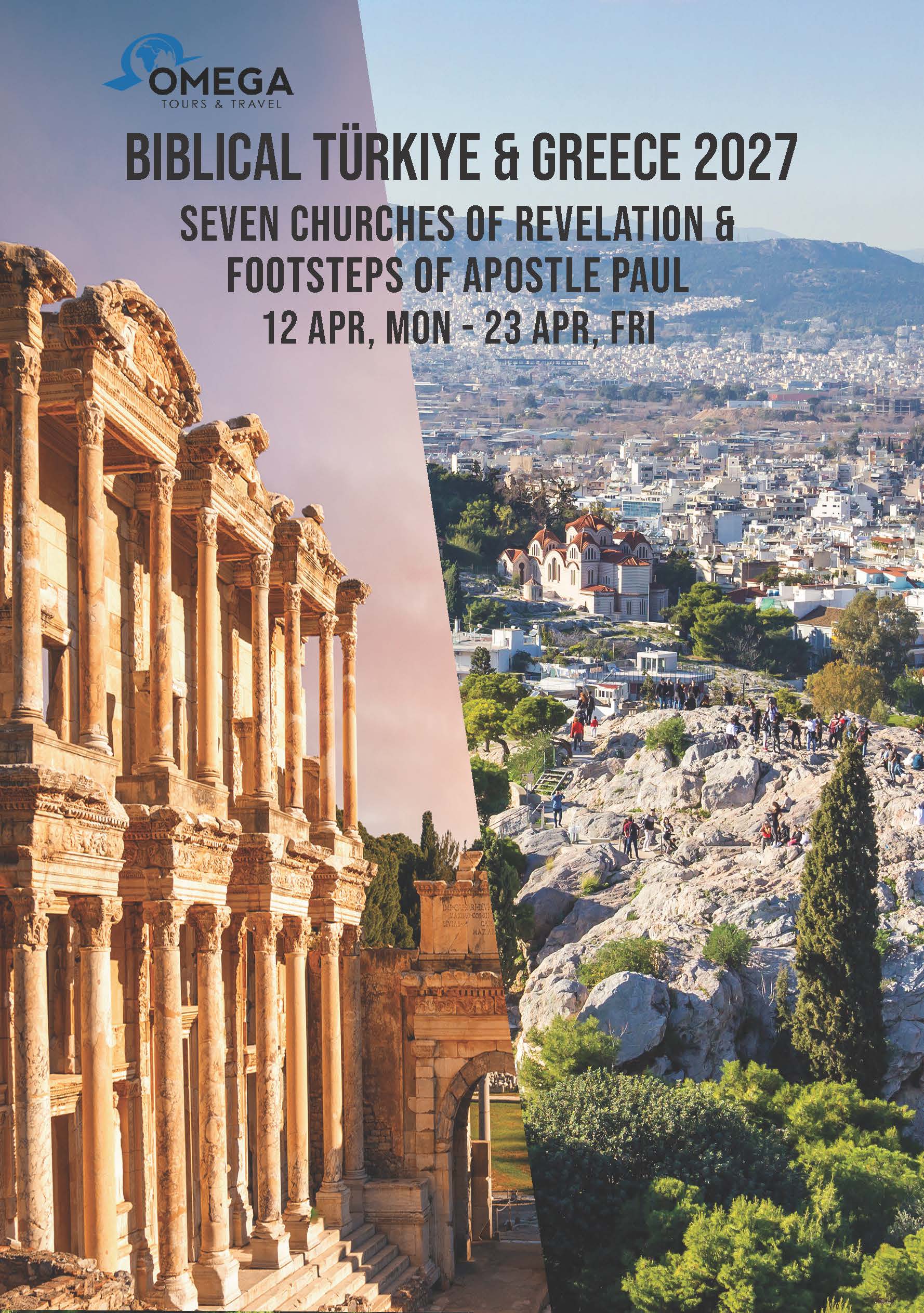
Imagine walking through ancient cities, standing where Paul once preached, and visiting places where the early church began. Our Biblical Türkiye & Greece Tour 2027 is a special journey of faith, history, culture, fellowship, and discovery.
Greece: Following in the Footsteps of Paul
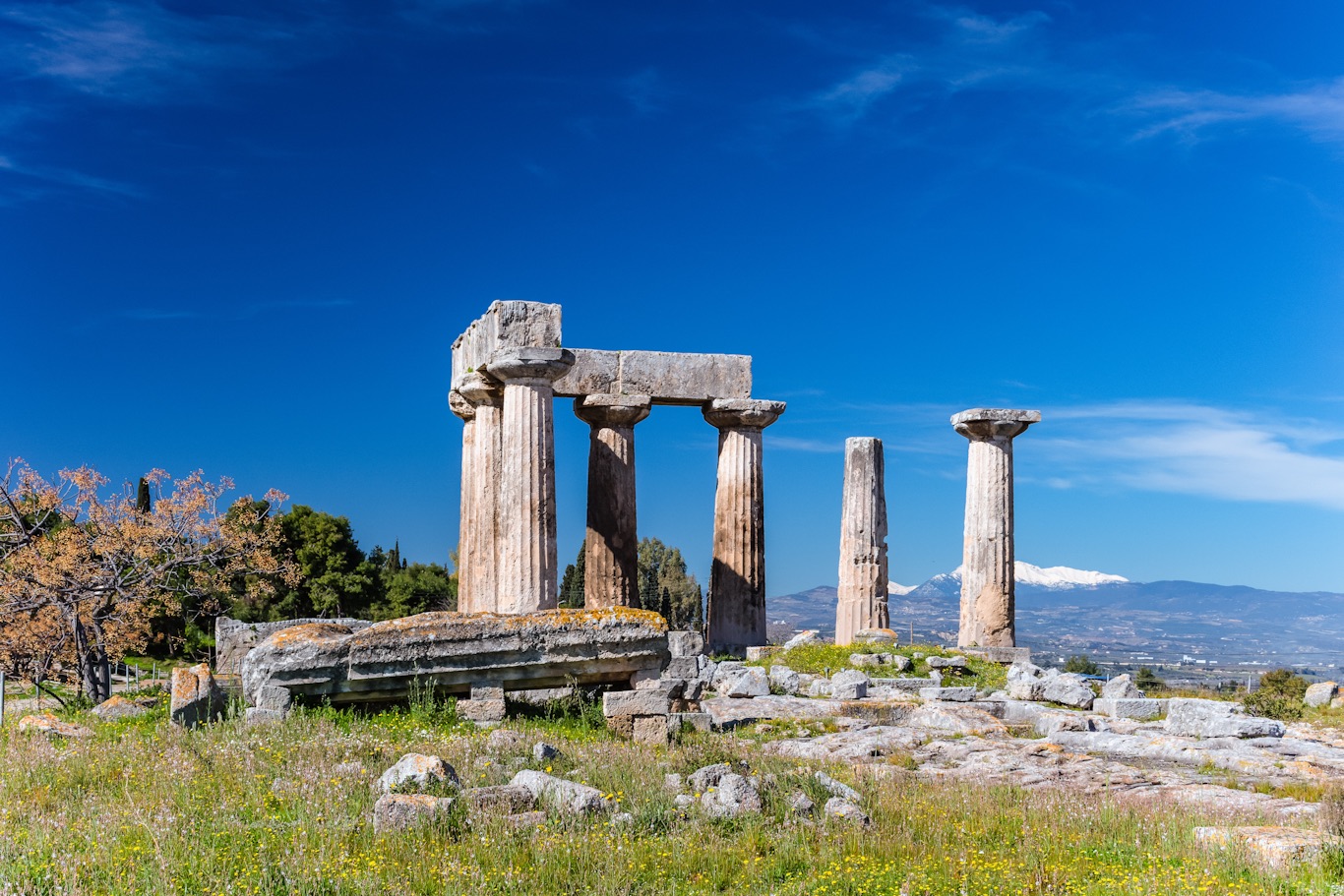
Our Greek journey takes us to Kavala, Philippi, Thessaloniki, Veria, Athens, and Corinth — places closely connected with Paul’s ministry. In Philippi, reflect on the story of Lydia and the beginnings of the church in this historic city. In Thessaloniki and Veria, learn more about Paul’s ministry and the people he met. In Athens, visit Areopagus, where Paul delivered his well-known message, before continuing to Corinth, where he spent time teaching and encouraging the believers. As you travel through these historic places, the stories you have read in the Book of Acts and Paul’s letters come to life in a deeper and more personal way.
Türkiye: Exploring the Seven Churches of Revelation
We visit the ancient cities associated with the Seven Churches of Revelation — Ephesus, Smyrna, Pergamum, Thyatira, Sardis, Philadelphia, and Laodicea. Walk among the remains of these once-thriving cities, take time to reflect on the early Christian communities — their faith, their struggles, and the call to remain faithful. Beyond the rich biblical heritage, experience its vibrant bazaars, historic towns, delicious cuisine, breathtaking landscapes, and warm Turkish hospitality — adding culture, discovery, and memorable experiences to your journey.

✨Come for the Places, Stay for the Moments
Some of the most meaningful memories are made along the way — quiet moments among ancient ruins, familiar Scripture taking on new meaning, shared meals after a day of exploring, prayer and worship in special settings, and meaningful conversations with fellow travellers. You will return home with more than photographs and stories. You'll carry with you a deeper appreciation for the people, history, culture, and places that bring the Bible to life.

🌍Two Countries. One Unforgettable Biblical Story.
From the footsteps of Paul in Greece to the ancient cities of Revelation in Türkiye, this journey brings together faith, history, and culture in one unforgettable experience.
📅 12-23 April 2027
Bookings are now open.
If you have ever wanted to see these places for yourself, this is an opportunity to experience them beyond the pages of the Bible.
Click here for full tour details and registration. Come and discover the places behind the story.
For more information on our destinations, click on the following: Israel | Jordan | Türkiye | Greece
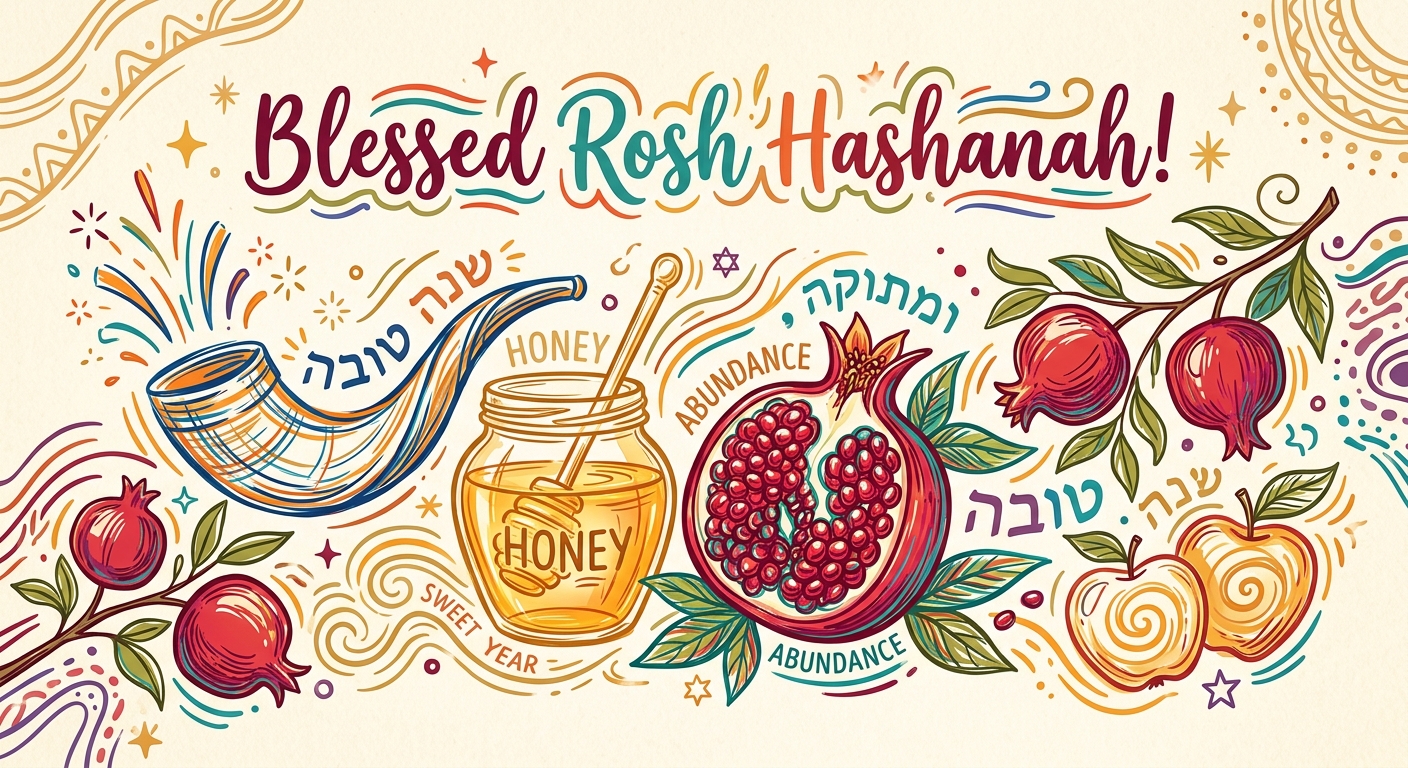
Shanah Tovah — Happy Jewish New Year!
Evening of Friday, 11 September 2026 – Sunday, 13 September 2026
There is something beautiful about the idea of beginning again.
Rosh Hashanah gives us that opportunity. As the Jewish New Year arrives, we are invited to slow down, reflect on where we have been, give thanks for the blessings we have received, and look ahead with renewed hope. It is not simply the turning of another page on the calendar. It is a moment to reconnect — with our faith, our families, our traditions, and the things that give our lives meaning.
The Sweetness of Tradition
Some of the most familiar Rosh Hashanah traditions carry beautiful messages.
The shofar calls us to awaken our hearts and pay attention to what truly matters. Its sound can be both stirring and hopeful — a reminder that a new beginning is possible. And then there are the apples and honey. There is something wonderfully simple about dipping a crisp apple into honey and sharing the wish for a sweet year. It is a small tradition, but it carries a big hope: that the months ahead will bring goodness, happiness, peace, and blessings.
These traditions connect generations. They remind us that while each year is new, the values we carry forward — faith, gratitude, family, hope, and love — remain precious.
Making Room for New Beginnings
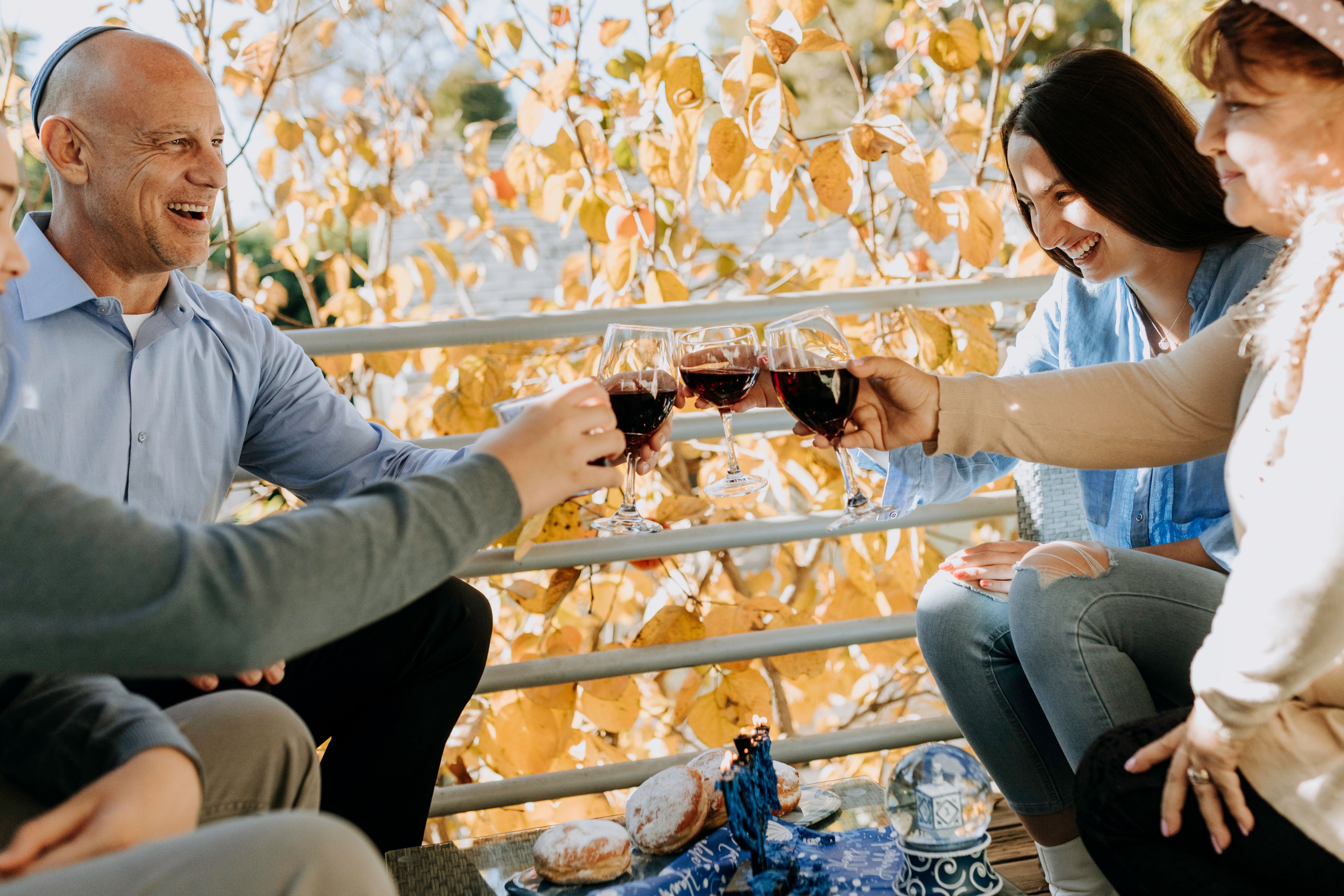
A new year also gives us a chance to think about what we want to carry with us and what we might gently leave behind. Perhaps it is a chance to spend more time with the people we love. To be more grateful for ordinary moments. To make room for kindness. To reconnect with places and traditions that bring us joy.
Whatever a new beginning means to each of us, Rosh Hashanah reminds us that there is always room for hope.
A Prayer for Israel and the Holy Land
As we enter this new year, our hearts also turn toward Israel and the Holy Land. We pray for peace and protection, for comfort for those who are suffering, and for a future filled with hope. May God watch over Israel and its people and bring lasting peace to the land.
For many of us, the Holy Land holds a special place in our hearts. We look forward to the day when we can once again travel there freely, return to our favourite places, and experience the joy of walking together in the footsteps of the Lord.
A New Year to Share
To mark this special season, we invite you to enjoy our short Rosh Hashanah celebration video and share in a little sweetness, joy, and tradition.
Shanah Tovah!
May your New Year be filled with sweetness, peace, love, good health, beautiful memories, and abundant blessings.
For more information on our destinations, click on the following: Israel | Jordan | Türkiye | Greece
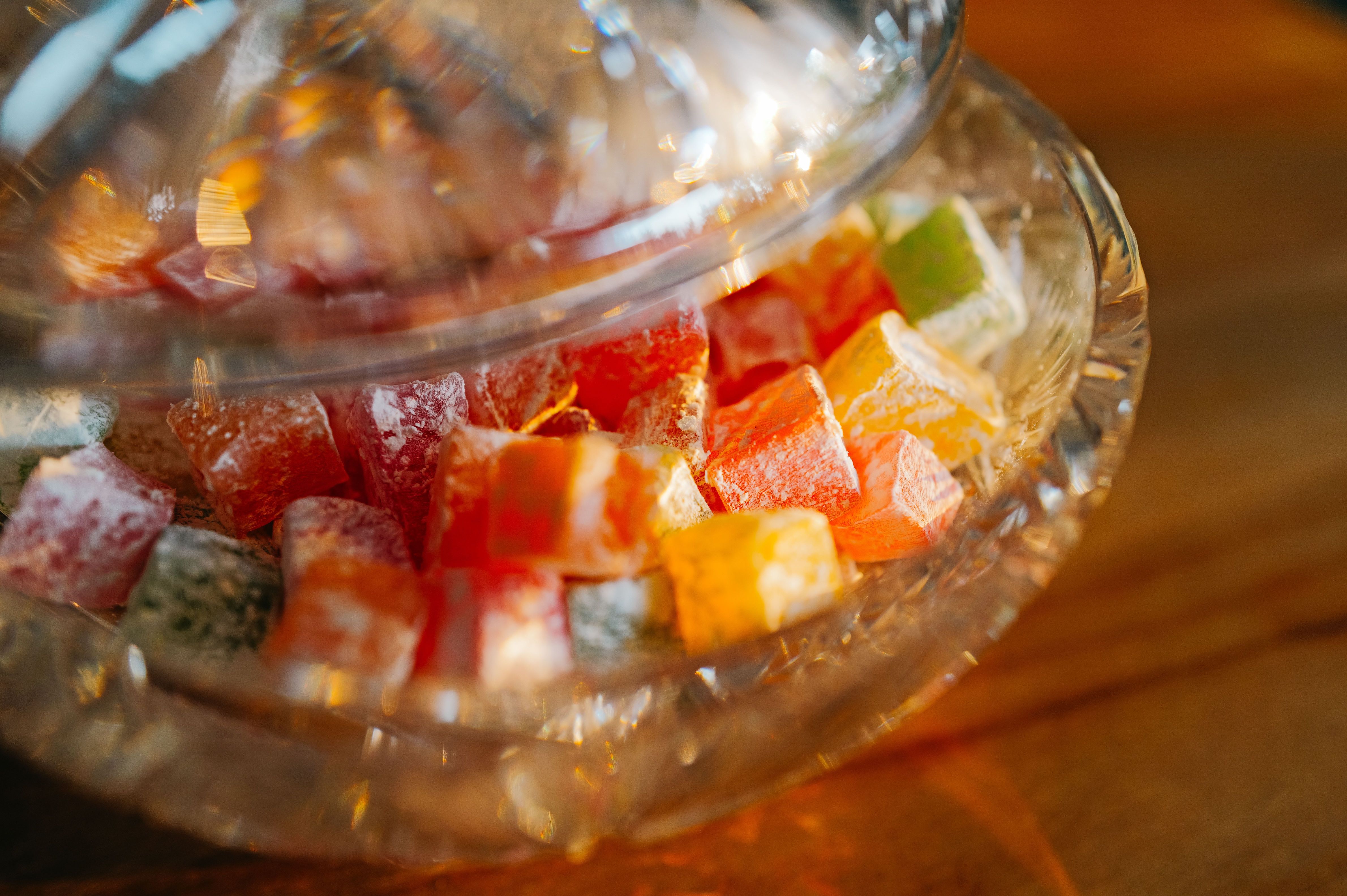
🏛️Memories Beyond the Journey
Walking through the ruins of Ephesus, gazing across ancient Pergamum, or reflecting on the faith of the early believers in Smyrna, the Seven Churches of Revelation come alive during our Biblical Türkiye tour. These historic places leave you with stories etched in your heart. But as the journey ends, you may wonder — what gift can I bring home to share a taste of this land?
For many travellers, the answer is a box of authentic Turkish delight.
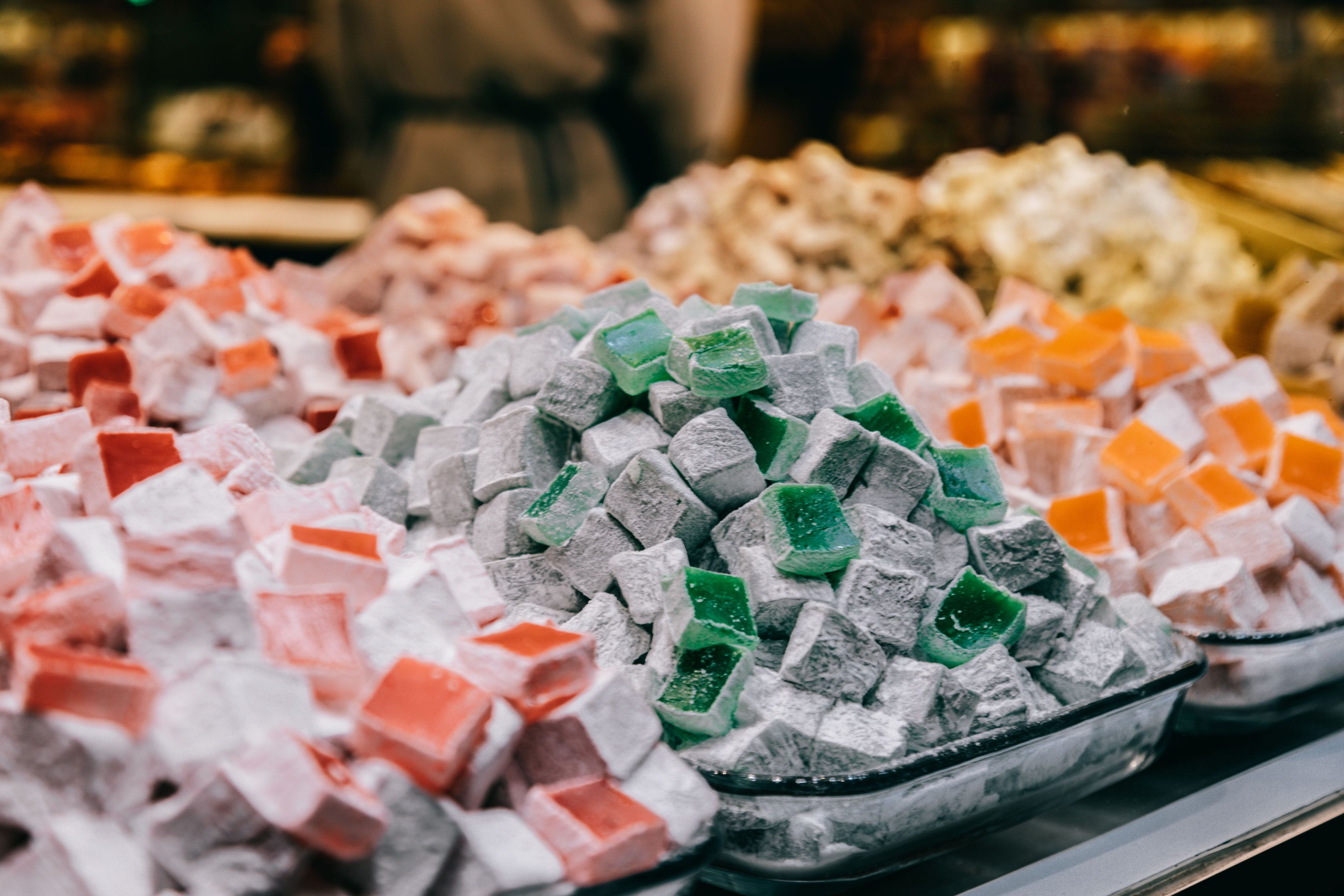
📜A Sweet with a Story
Known locally as lokum, this sweet became famous in the late 18th century when Istanbul confectioner Hacı Bekir perfected his recipe with sugar and starch. Once an exclusive luxury enjoyed in Ottoman palaces, lokum quickly became a national symbol of generosity and hospitality.
☕Flavours and Hospitality
Flavoured with rosewater, citrus, or mint, lokum is often filled with pistachios, hazelnuts, or walnuts. Fragrant rose remains the classic choice, while rich pistachio and vibrant pomegranate are traveller favourites.
In Turkish culture, offering lokum is a heartfelt gesture of welcome. Served at celebrations and family gatherings, it traditionally accompanies a cup of Turkish coffee or tea, perfectly balancing the drink’s rich bitterness.
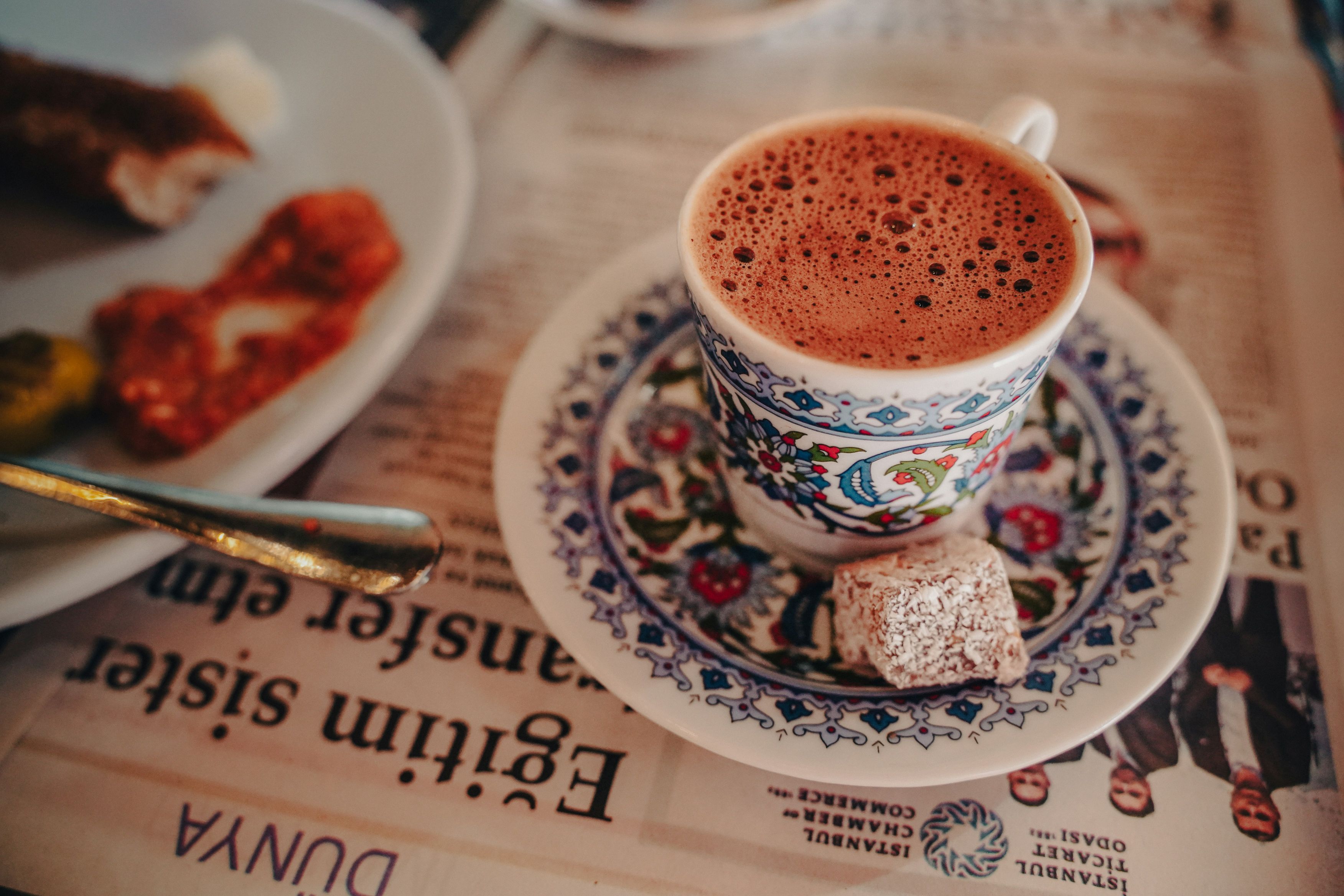
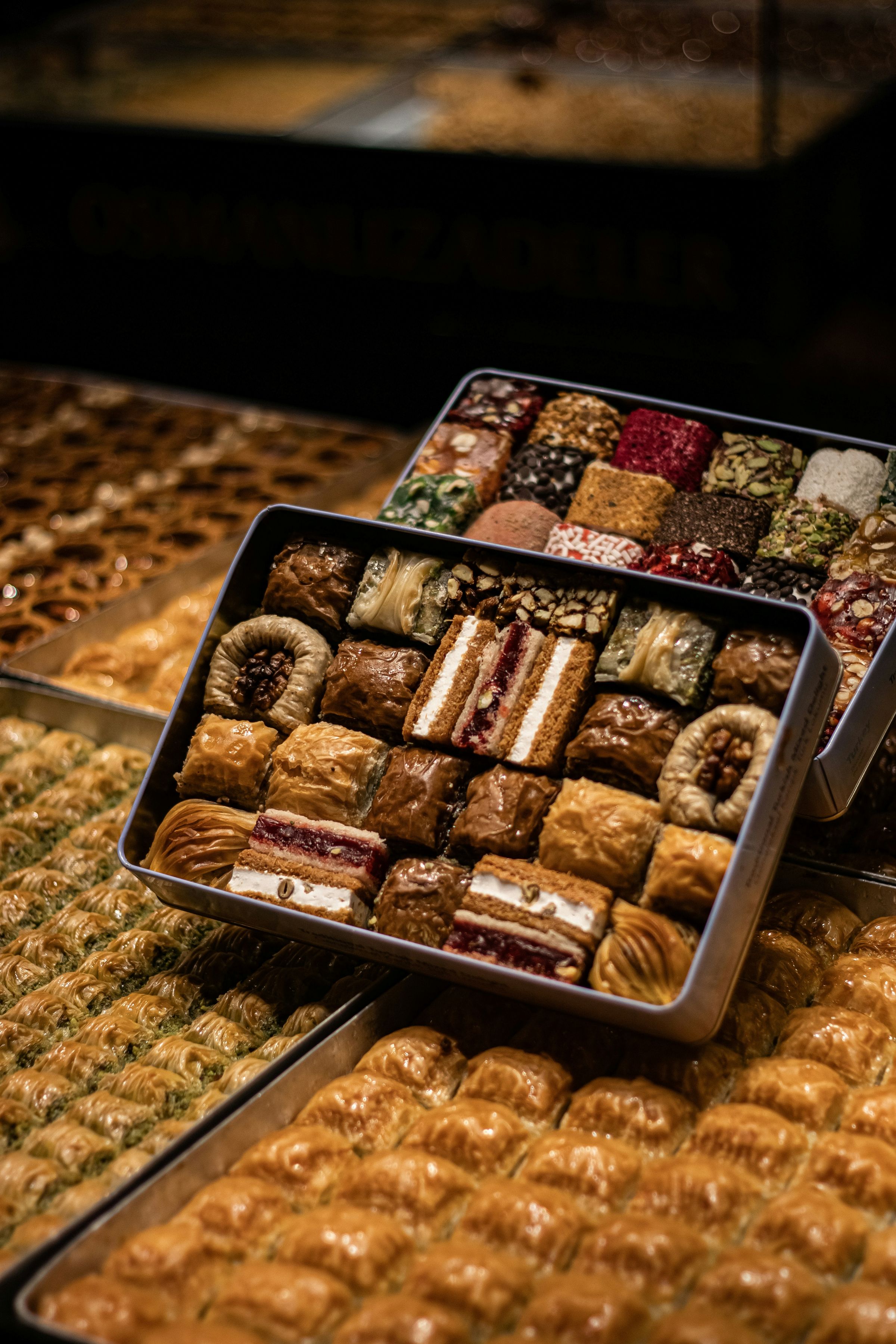
🥮A World of Sweets
Türkiye’s dessert traditions go well beyond lokum. You’ll discover golden, honeyed baklava, warm kunefe filled with melted cheese, and nutty halva — each reflecting centuries of tradition and artistry.
🎁Bringing the Memory Home
While our itinerary focuses on the Seven Churches of Revelation, you will also immerse yourself in Türkiye’s vibrant culture. On our first day, we explore Istanbul’s Spice Bazaar, where colourful trays of lokum sit among fragrant spices. You will also find plenty of opportunities to pick up some along our travel route or at the airport.
A box of lokum is more than a gift — it is a sweet reminder of your journey to share with those back home.
Click here to learn more about our Biblical Türkiye tour (27 Nov - 8 Dec 2026).
For more information on our destinations, click on the following: Israel | Jordan | Türkiye | Greece
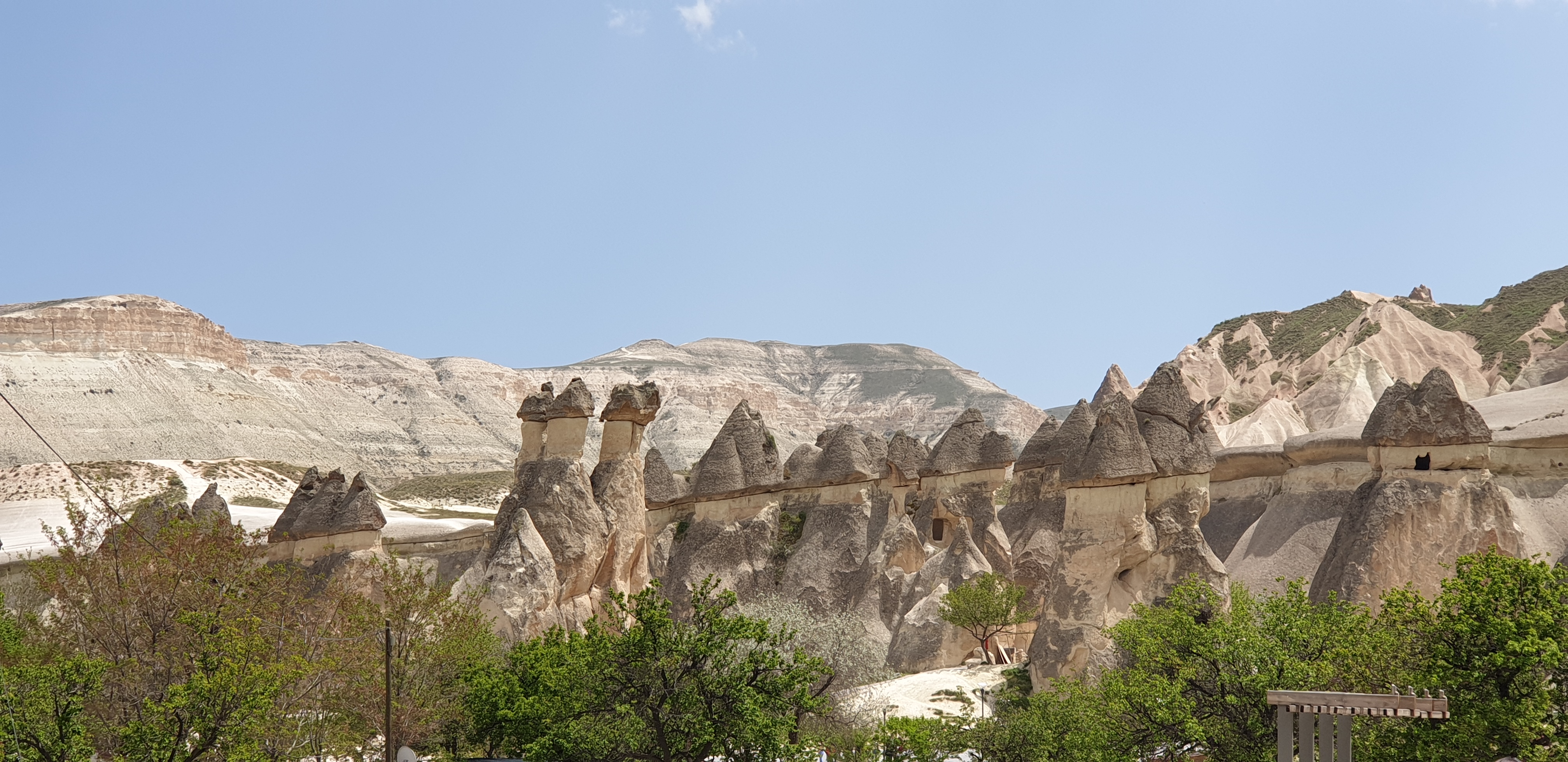
Rising from the valleys of central Türkiye, Cappadocia’s fairy chimneys stand like a stone forest, their tall, cone-shaped forms creating a landscape that feels almost otherworldly.
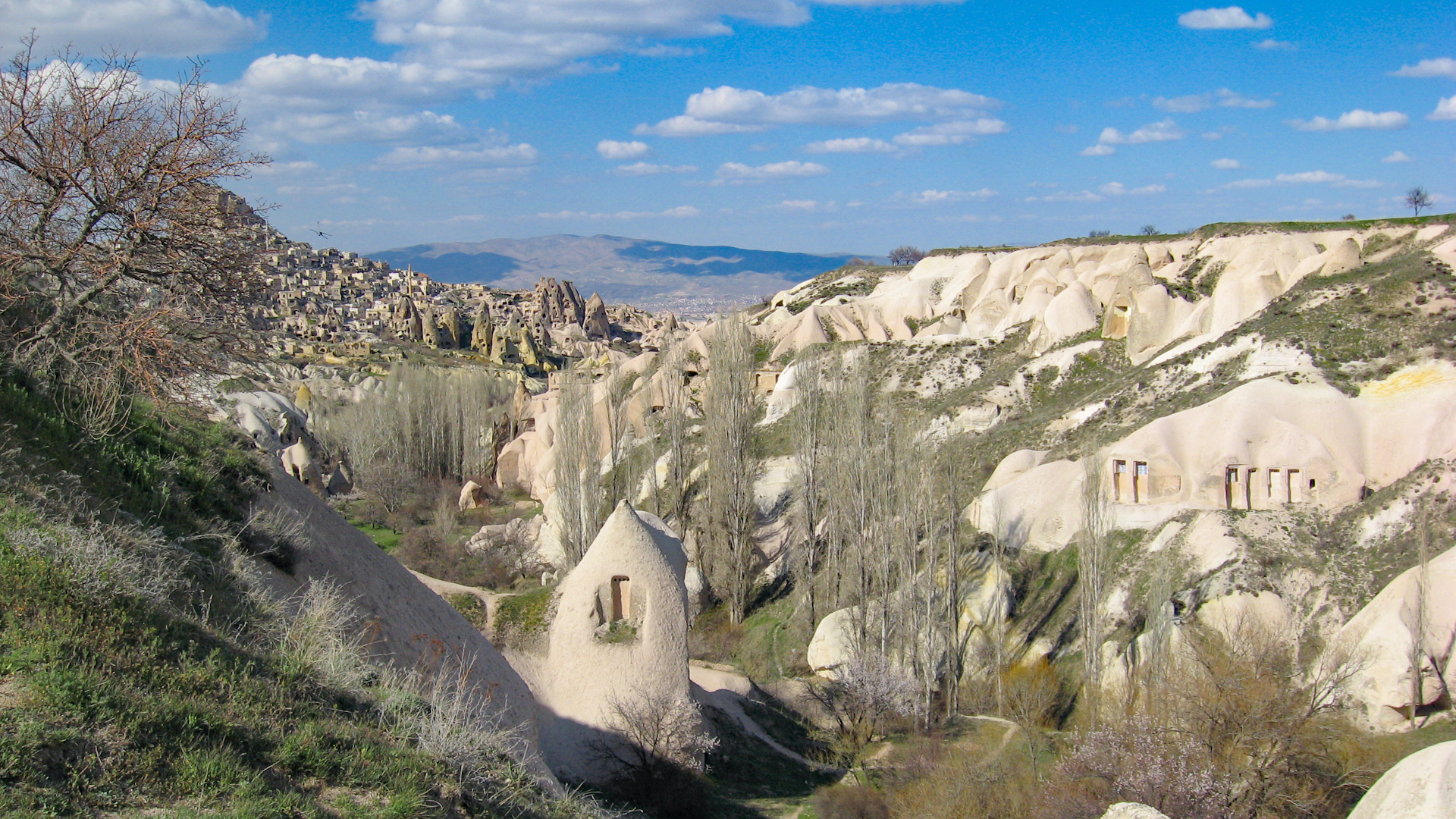
Cappadocia is more than valleys and churches — even the chimneys themselves tell a story where nature, history, and faith meet.
From Ash to Stone
Millions of years ago, volcanic eruptions blanketed the land in ash that hardened into soft tuff. Wind, rain, and snow slowly carved this rock into the striking pillars and towers we see today — a landscape that looks sculpted by hand.

Nature as Shelter
Because the tuff was easy to carve, people shaped these formations into dwellings, storerooms, chapels, and monastic cells. At Paşabağ (Monks Valley), some fairy chimneys still hold chambers once used by monks for solitude and prayer. Their mushroom-shaped tops make Paşabağ one of Cappadocia’s most memorable sights.
A Land of Faith
Cappadocia holds a special place in Christian story. The apostle Peter addressed believers here (1 Peter 1:1), and generations of Christians carved sanctuaries into this rock. What began as a land shaped by fire became a refuge for worship and communion with God.
Psalm 32:7 captures this spirit: “You are my hiding place; you will protect me from trouble and surround me with songs of deliverance.” Standing among the chimneys, the verse feels alive.
Enduring Beauty
Formed by nature, shaped by human hands, and sanctified by faith, Cappadocia’s fair chimneys remind us how unlikely places can become symbols of refuge and devotion. Their beauty endures as testimony to creation and faith intertwined.
Join the Journey
Come and experience Cappadocia’s fairy chimneys for yourself — not just as breathtaking scenery, but as part of a living story of faith and history. Walk through valleys, step into ancient chapels, and let the land speak to your heart. We’d love for you to be part of our upcoming Biblical Türkiye tour and share in this unforgettable journey.
Click here to learn more about our Biblical Türkiye tour (27 Nov - 8 Dec 2026).
.jpg)
For more information on our destinations, click on the following: Israel | Jordan | Türkiye | Greece
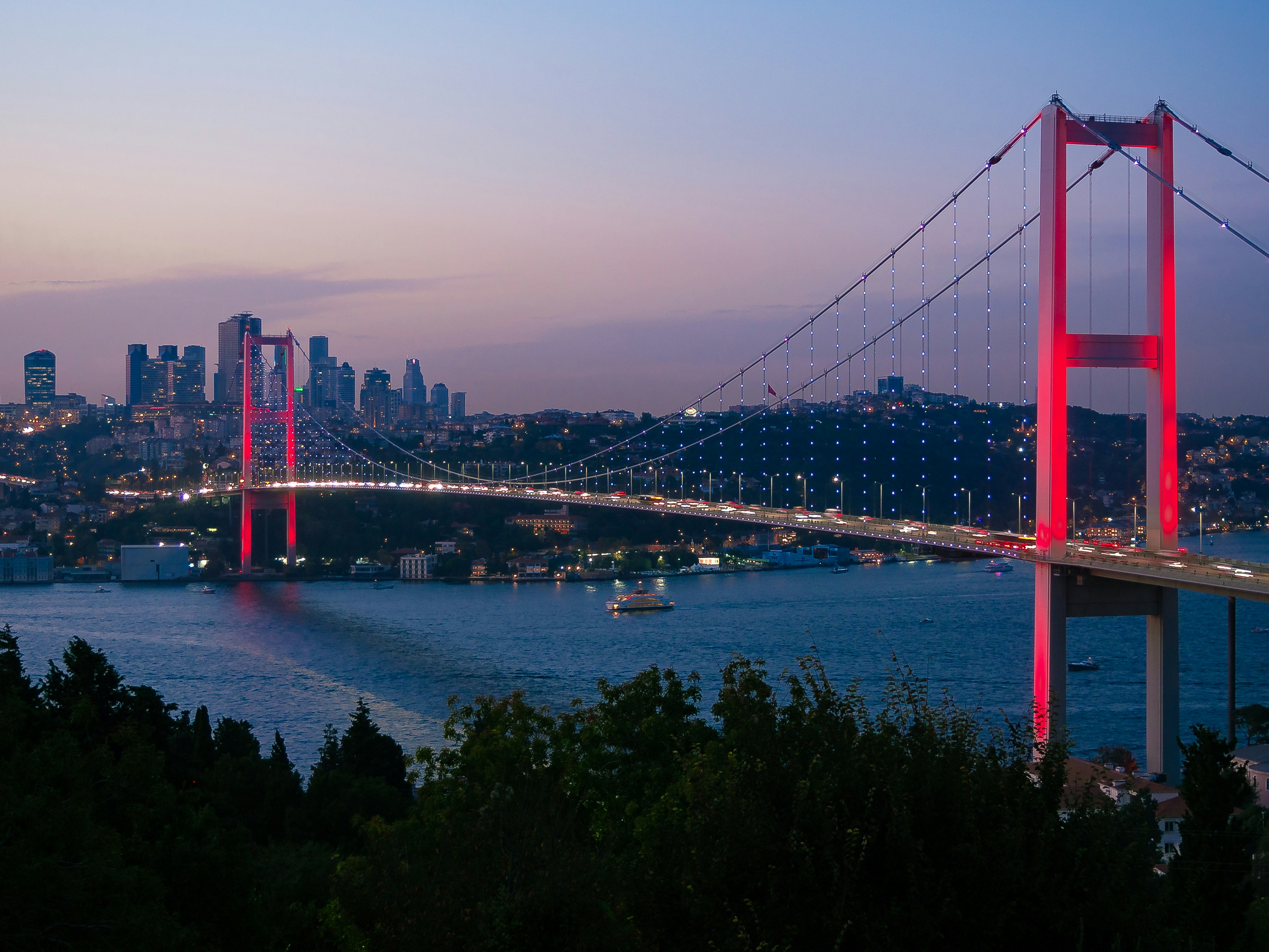
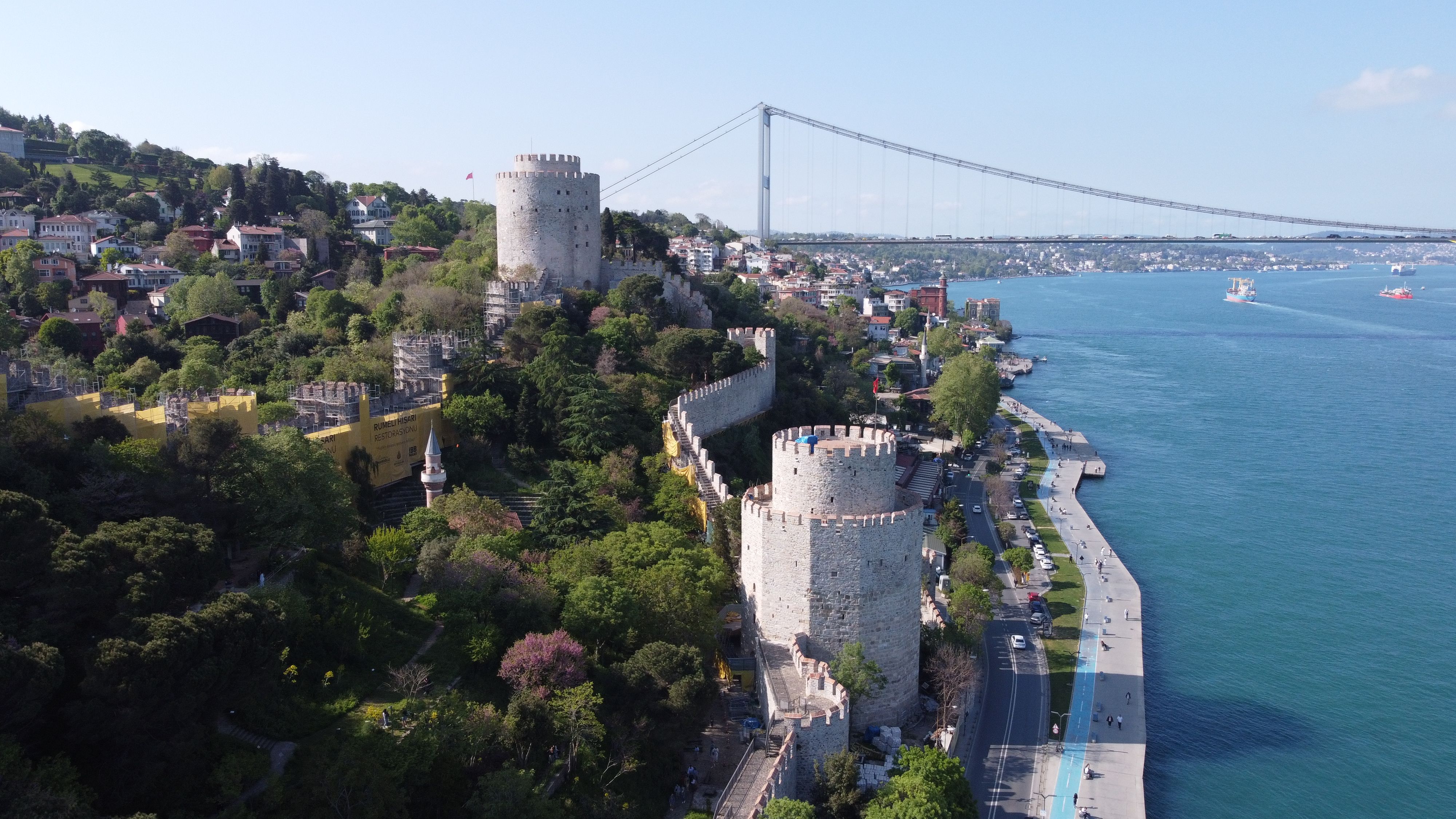
If there's one experience you shouldn't miss in Istanbul, it's a boat ride on the Bosporus. Walking the city's streets lets you feel its energy but seeing it from the water gives you a whole new perspective. As your boat cruises between Europe and Asia, you'll pass grand palaces, historic fortresses, elegant waterfront homes, and one of the world's busiest waterways.
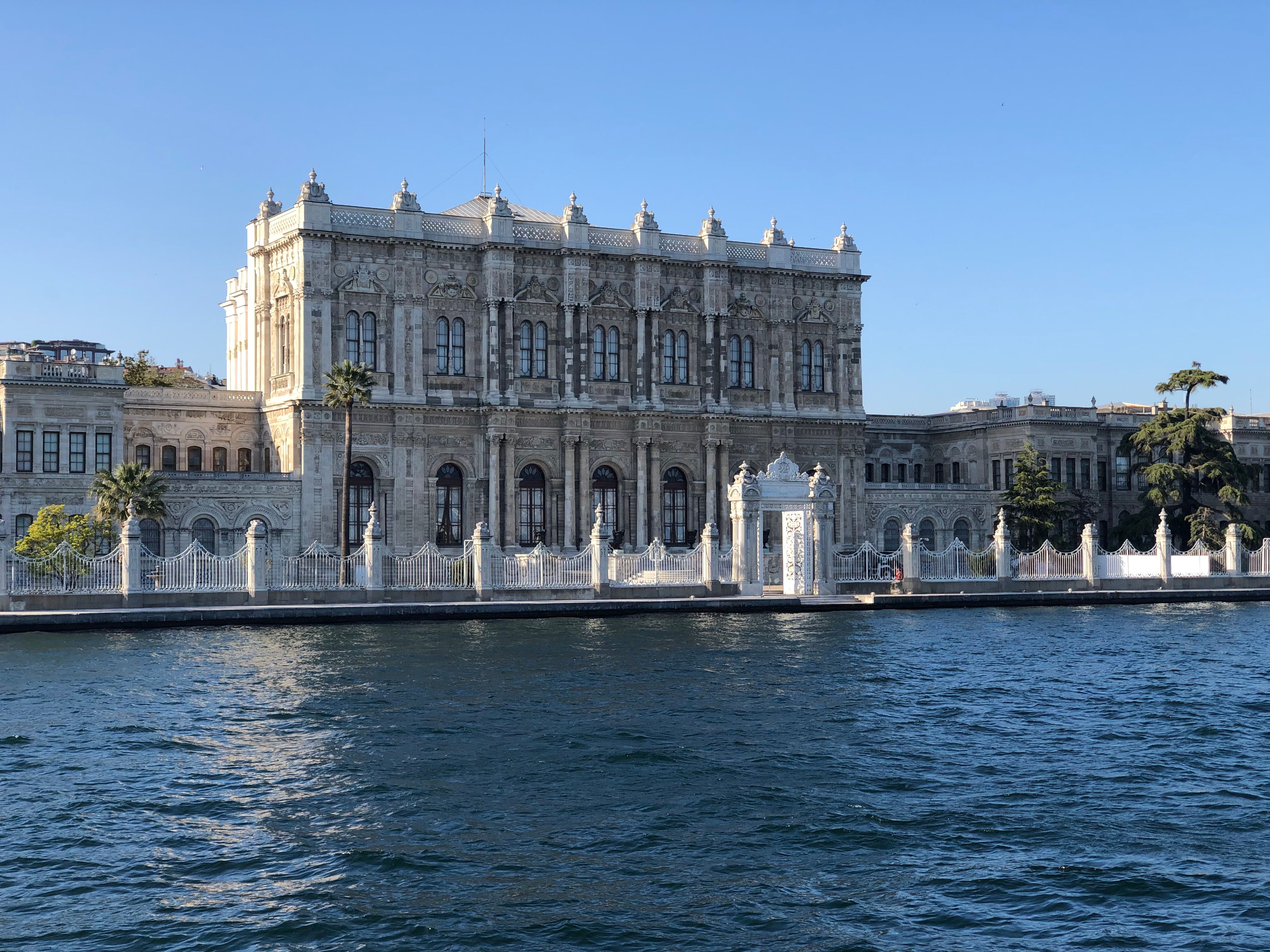
🚢 What You’ll See
Dolmabahçe Palace: This magnificent 19th-century palace stretches along the waterfront. Its grand façade is even more impressive from the water.
Rumeli Fortress: Built by Sultan Mehmed II to control the Bosporus before the conquest of Constantinople, this medieval fortress still stands proudly on the European shore.
Bosporus Bridge (15 July Martyrs Bridge): The first bridge to connect Europe and Asia, its graceful span is one of Istanbul’s most recognisable landmarks. After dark, its colourful lights reflect beautifully across the water.
🌅 The Best Time to Go
· Morning brings soft light and calm waters.
· Sunset bathes the city in golden hues before the skyline begins to sparkle.
· Nightfall transforms the Bosporus into a ribbon of shimmering lights.
A boat ride on the Bosporus is the perfect way to slow down, relax, and take in Istanbul from its most beautiful angle. Whether it’s your first visit or your fifth, the view from the water never gets old.

Click here for more details about our upcoming Biblical Türkiye Tour.
For more information on our destinations, click on the following: Israel | Jordan | Türkiye | Greece
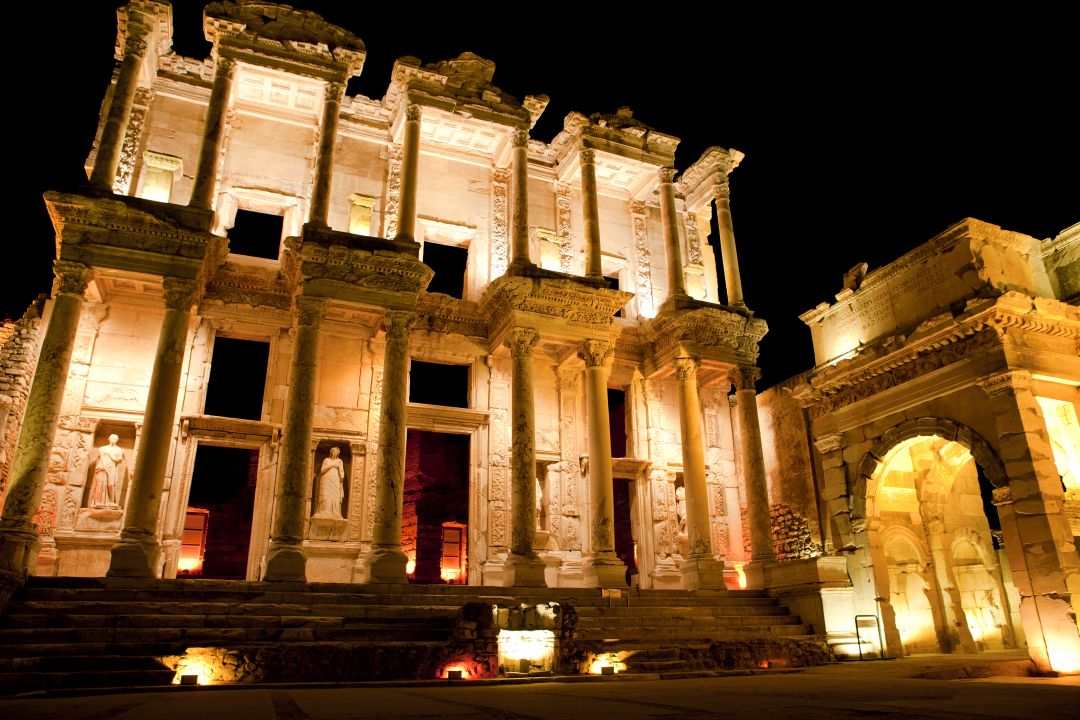
To walk through the marble streets of Ephesus is to step into a world where nearly 8,000 years of history meet the pages of Scripture. Once a booming powerhouse of the ancient world, and now a UNESCO World Heritage Site, its grand ruins stand as a quiet testament to the city that helped shape the early Christian faith.

As you stroll along its polished marble avenues toward the iconic Library of Celsus, history comes alive around every corner. It was here, amid bustling marketplaces and grand pagan temples, that the Apostle Paul spent over two years preaching the gospel and nurturing a thriving Christian community (Acts 19:10).
Nearby stands the impressive Great Theatre, where up to 24,000 people once gathered. It was here that a riot erupted as silversmiths, fearing the spread of Christianity would threaten their trade in idols of Artemis, shouted in unison, "Great is Artemis of the Ephesians!" (Acts 19:23–41). Standing in this vast arena today, you can almost hear the echoes of the ancient crowd and admire the courage of the early believers who remained steadfast in their faith.

Ephesus holds a special place in the Bible as one of the Seven Churches of Revelation. The believers were praised for their hard work and patience, but they were also given a gentle, heartwarming reminder: “You have forsaken the love you had at first” (Revelation2:4-5). It’s a timeless message that still resonates with anyone visiting today — an invitation to return to a wholehearted love for God.
Tradition also holds that the Apostle John brought Mary, the mother of Jesus, to Ephesus, where she spent her final years under his care. Today, pilgrims travel to the nearby House of the Virgin Mary to reflect and pray.
Ephesus isn’t just an extraordinary open-air sanctuary — it’s a place that touches the heart. As you wander its ancient paths, you’re invited to marvel at its remarkable past and, more deeply, to reflect on your own spiritual journey, rediscovering the joy of your first love.
Check out just how breathtaking this ancient city looks on camera:
Join us on our Biblical Türkiye Tour (27 Nov - 08 Dec 2026) as we discover the rich Christian heritage of Türkiye.
For more information on our destinations, click on the following: Israel | Jordan | Turkiye | Greece
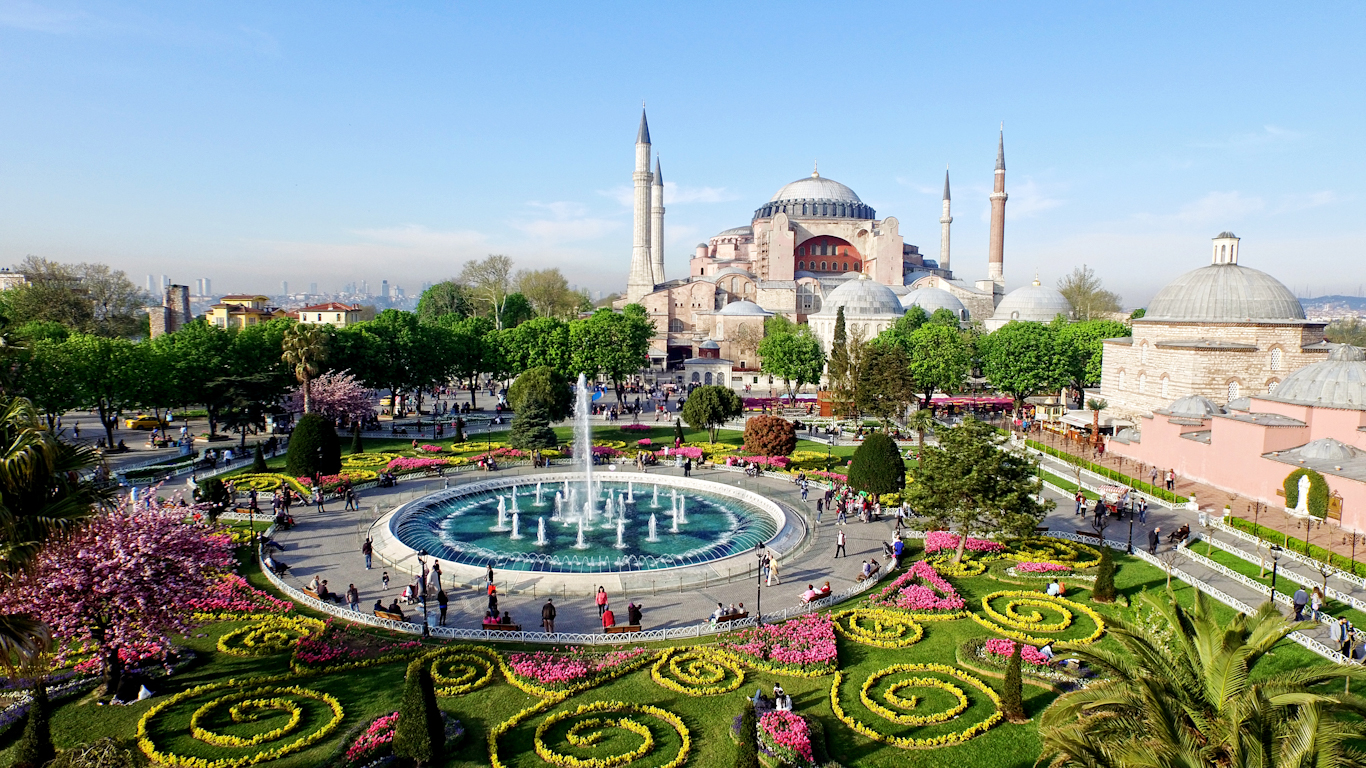
For Christians visiting Istanbul, Hagia Sophia and Chora Church offer a remarkable glimpse into the story of faith that has endured through empires and centuries. Once great cathedrals, later mosques and museums, today mosques again—their Christian heritage remains alive in mosaics, frescoes, and sacred spaces.

Hagia Sophia: Beneath the Great Dome
For over 900 years, Hagia Sophia, meaning "Holy Wisdom," was the cathedral of the Byzantine Empire and one of the most important centres in the Christian world. Emperors were crowned here, church leaders gathered, and generations of believers came to worship beneath its soaring dome.
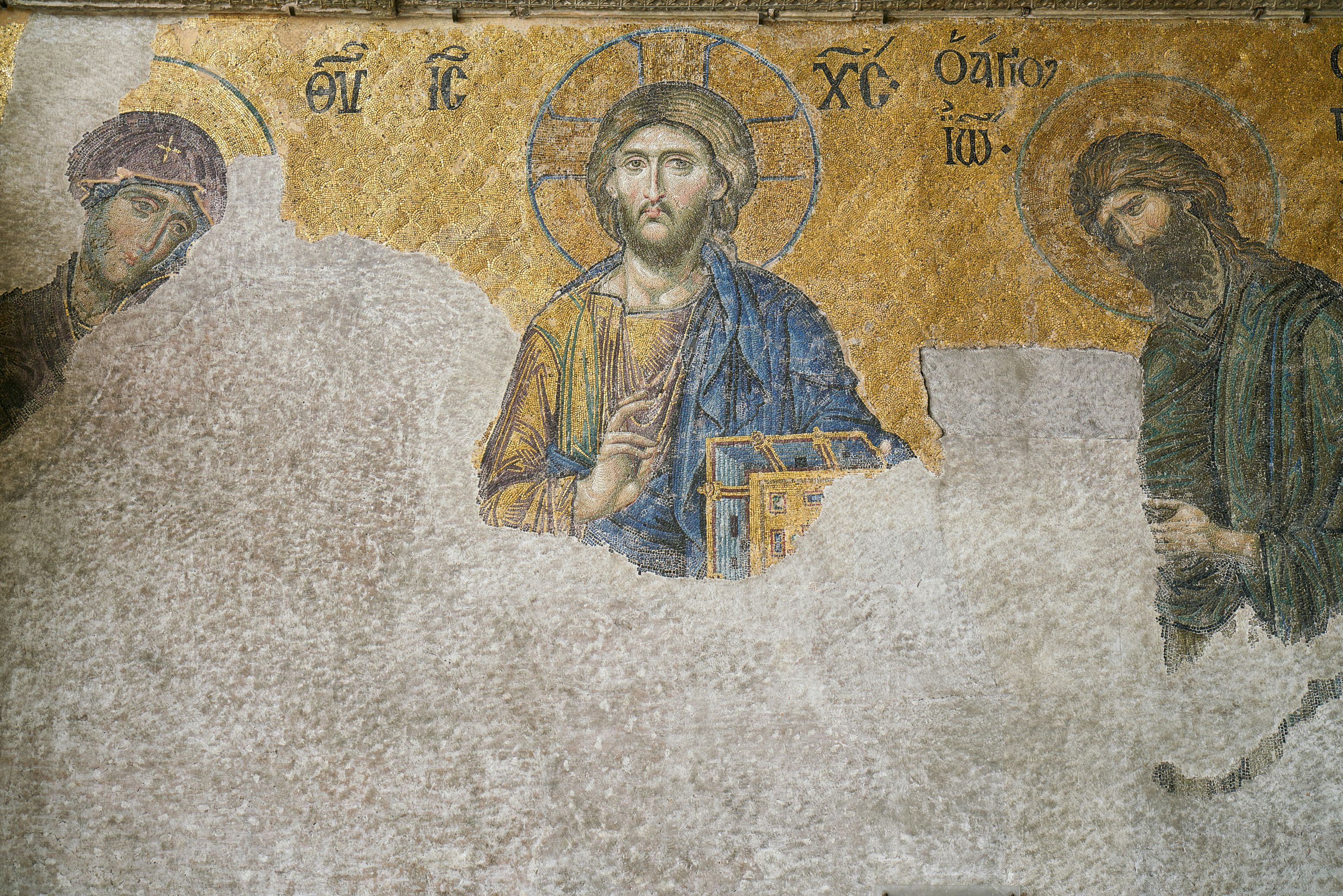
Rising 55m high above the floor and ringed by forty windows, the dome creates a breathtaking sense of lightness, as if heaven touches earth. Among its treasures is the moving Deesis Mosaic, portraying Christ with the Virgin Mary and John the Baptist—a masterpiece of Byzantine Christian art that still speaks with deep emotion.
Chora Church: The Gospel in Colour
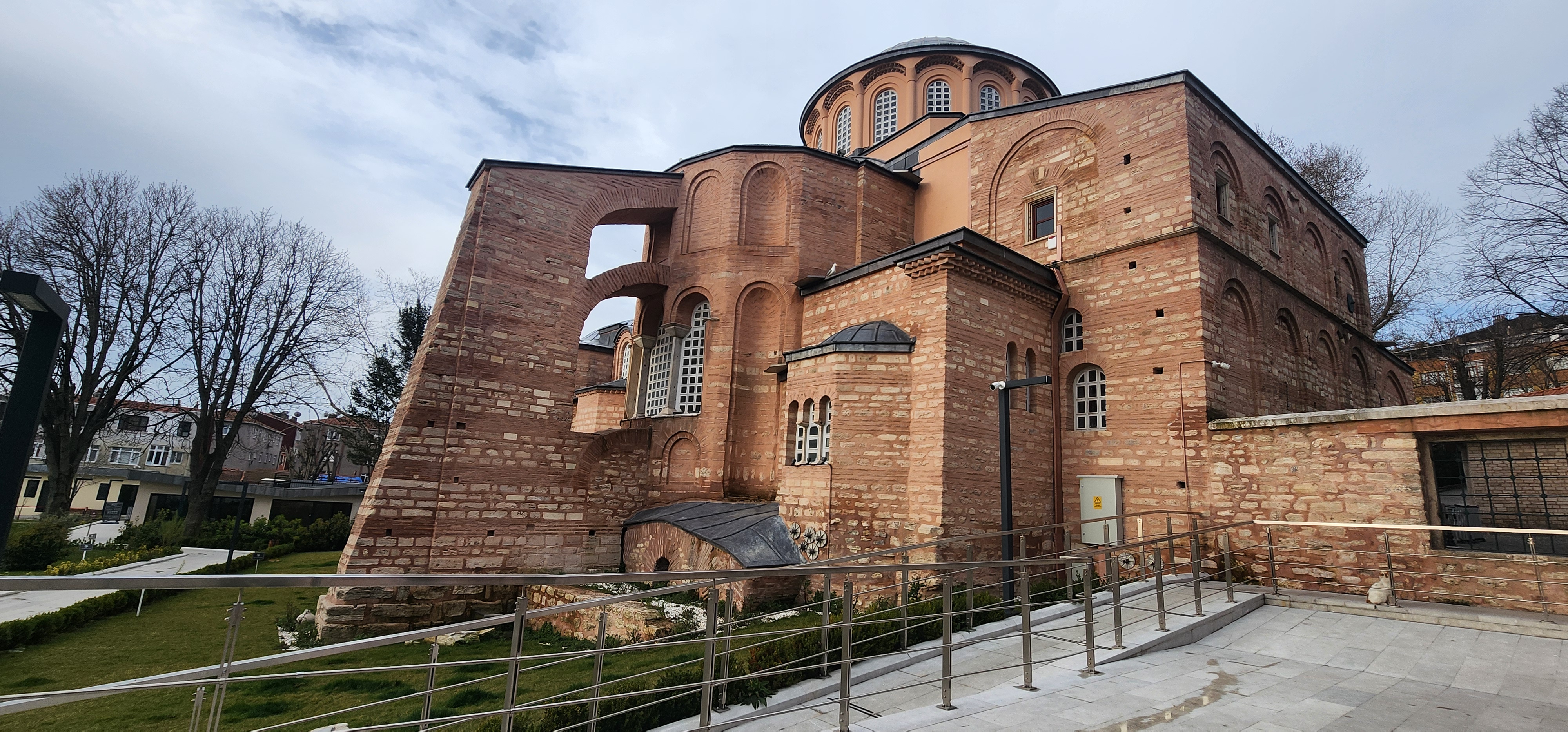
If Hagia Sophia inspires awe, Chora draws you close with warmth and intimacy. Often called the jewel of late Byzantine art, its walls are alive with mosaics and frescoes that tell the story of Christ and Mary in vivid detail.
In an age when many could not read, these images became a visual Gospel, bringing Scripture to life for worshippers. Walking through Chora feels like turning the pages of an ancient illustrated Bible. One highlight is the 14th-century mosaic of Christ Pantokrator (“Almighty”) blessing visitors while holding the Gospel. The inscription "The Land of the Living" poetically points to Christ as the eternal home of all who belong to Him.

Where Empires Changed, Faith Endured
Visiting Hagia Sophia and Chora is more than sightseeing—it is stepping into centuries of history where faith, art, and culture intertwine. Though their roles have shifted, their beauty and message still whisper to all who enter.
Join us on our Biblical Türkiye Tour (27 Nov - 08 Dec 2026) as we walk through these sacred spaces together and discover the rich Christian heritage of Istanbul.
For more information on our destinations, click on the following: Israel | Jordan | Türkiye | Greece

Just miles apart on Türkiye’s sunlit Aegean shore, two epic stories sit side by side. One tells of a legendary war once thought to be mere myth; the other of a midnight vision that quietly changed the map of the global faith.
Troy: Where Myth and History Meet
For centuries, the tale of Helen, Achilles, and the wooden horse was dismissed as legend. Yet when archaeologists began digging, they uncovered nine to ten layers of ancient cities stacked one upon another. Among them lay a massive Bronze Age fortress scarred by fire and battle. Whether Homer’s account was fact or poetry, Troy shows us that legends often rise from truths too powerful to forget.

Alexandria Troas: Where Faith Took Sail
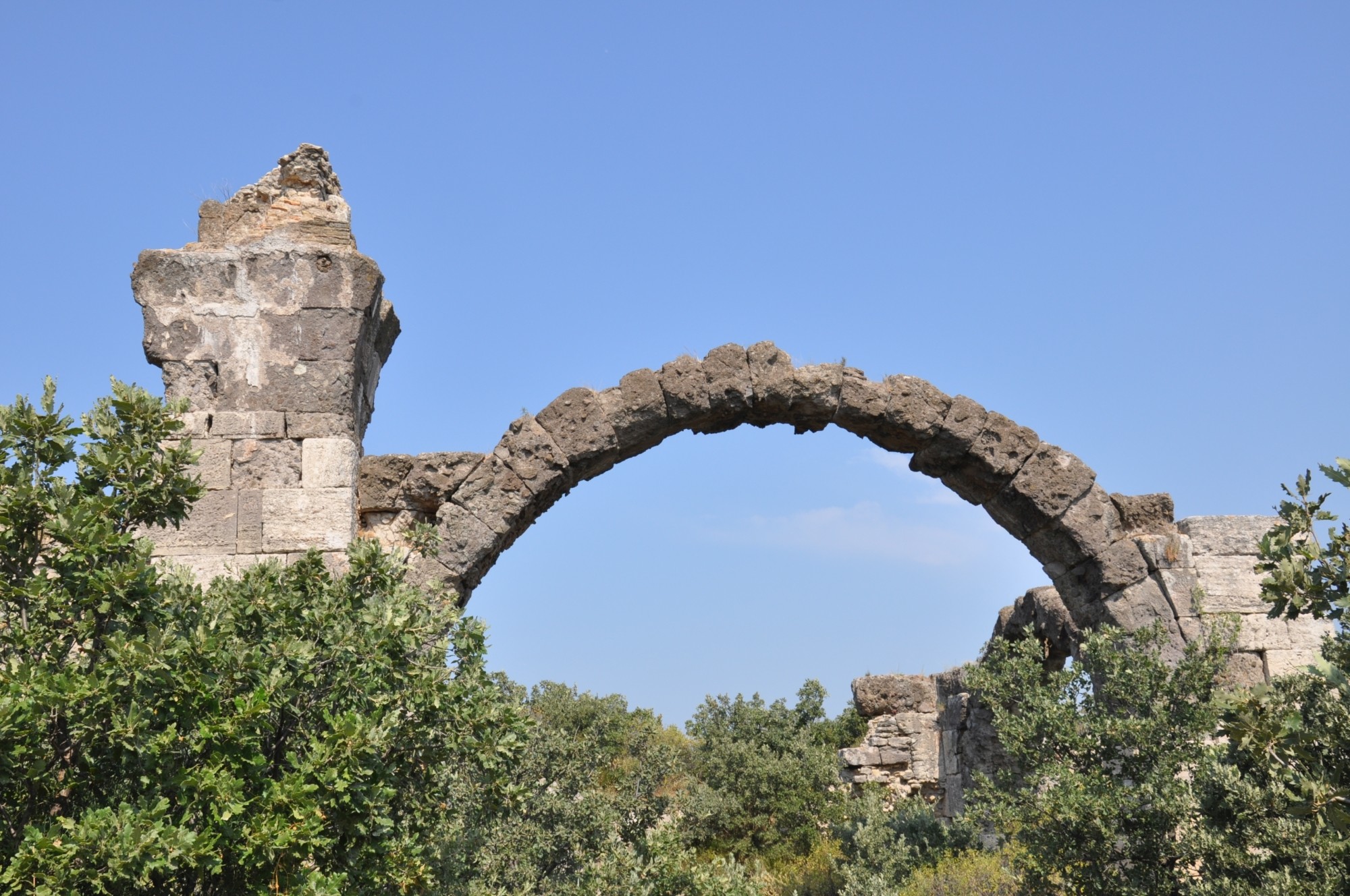
Just a short drive down the sunlit coast lies Alexandria Troas, once a bustling Roman port now softened by grass and silence. Here, the Apostle Paul received a vision of a Macedonian man pleading, “Come over to Macedonia and help us” (Acts 16: 9). From this harbour, Paul boarded a ship and carried the Gospel into Europe—a moment that reshaped the spiritual map of the Western world.
A Journey of Wonder and Faith
Troy invites us to imagine. Alexandria Troas invites us to follow God’s leading. Together, they remind us that travel is more than moving from place to place—it is discovery. Some journeys spark our imagination; others deepen our faith. The most meaningful ones often do both.
Today, the Aegean coast is waiting. What if this story was not only something to read, but a journey you could experience?
Join us on Biblical Türkiye – Seven Churches of Revelation with Troy & Cappadocia, and see for yourself where legends and faith set sail.
Spaces are limited, keeping our groups intentionally small and personal.
Ready to explore the full itinerary and reserve your place on the journey?
For more information on our destinations, click on the following: Israel | Jordan | Türkiye | Greece

Step into Istanbul's legendary Spice Bazaar and prepare for a full-on sensory overload. 😍 Beneath its grand 17th-century Ottoman arches, the air swirls with the rich, inviting scents of saffron, paprika, turmeric, and sumac—all piled high in dazzling cones of colour that are an absolute feast for your eyes.

Every single corner tempts you with something delicious! Think jewel-toned Turkish delights flavoured with sweet rose water, pomegranate, and zesty lemon, alongside glossy dried figs and dates, crunchy local nuts, fragrant apple tea, smoky sausages, and endless varieties of savoury olives.
Beyond all the yummy, edible treasures, the bazaar glitters with beautiful mosaic lamps, hand-painted ceramics, and artisanal olive oil soaps that make the perfect souvenirs. More than just a market, the Spice Bazaar is a vibrant slice of Turkish culture where history, flavour, and colour collide in the most unforgettable way. Don’t just visit history, taste it! ✨ Enjoy every single bite!

Click for the full itinerary for our upcoming Biblical Türkiye tour from 27 Nov to 08 Dec 2026.
For more information on our destinations, click on the following: Israel | Jordan | Türkiye | Greece
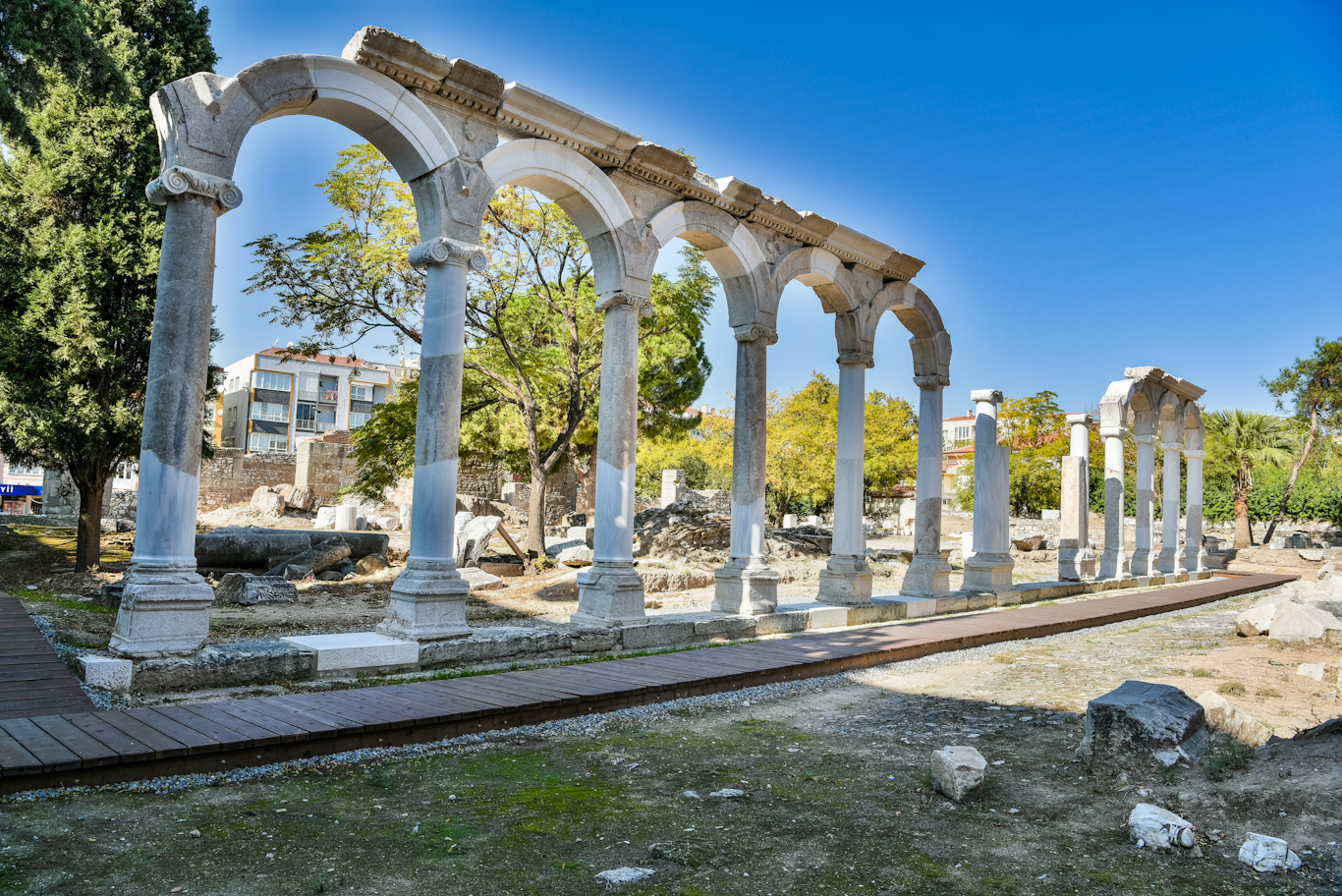
Thyatira is not a city of dramatic ruins. It sits quietly inside modern Akhisar where ancient history and daily life overlap. Shops, roads, and homes stand where an important city once lived. That contrast is what makes Thyatira interesting.
A Working City
In Roman times, Thyatira was a busy industrial city, known for its textiles, bronze work, and especially its famous purple dye — a luxury reserved for emperors and elites. Life here revolved around work, and work meant belonging to a trade guild. Most people were connected to trade guilds that shaped both livelihood and community.

The Pressure to Fit In
These guilds were essential for survival, offering access to jobs and social networks. But they also involved feasts and rituals dedicated to pagan gods. For early Christians, this created a daily struggle: join the guild and compromise faith or refuse the guild and risk poverty, exclusion, and hardship. Faith was tested not in dramatic events, but in ordinary decisions about work, survival, and loyalty.
The Letter to Thyatira
In Revelation 2:18–29, Jesus praises the believers for their love, faith, and service. Yet He also warns them not to tolerate false teaching that leads to compromise. To those who remain faithful, He promises victory, authority, and the gift of the “morning star” — a symbol of closeness and eternal fellowship with Him.

Why Visit Thyatira Today
There is not much left to see compared to other ancient cities. But Thyatira stands out for a different reason. It tells a story of everyday pressure — work, survival, and faith in tension.
So, if you’re tracing the Seven Churches of Revelation, don’t overlook Thyatira. Its stones still echo a timeless message: true victory is found not in compromise, but in faithfulness.
Click here for more details about our upcoming Seven Churches of Revelation tour.
For more information on our destinations, click on the following: Israel | Jordan | Türkiye | Greece
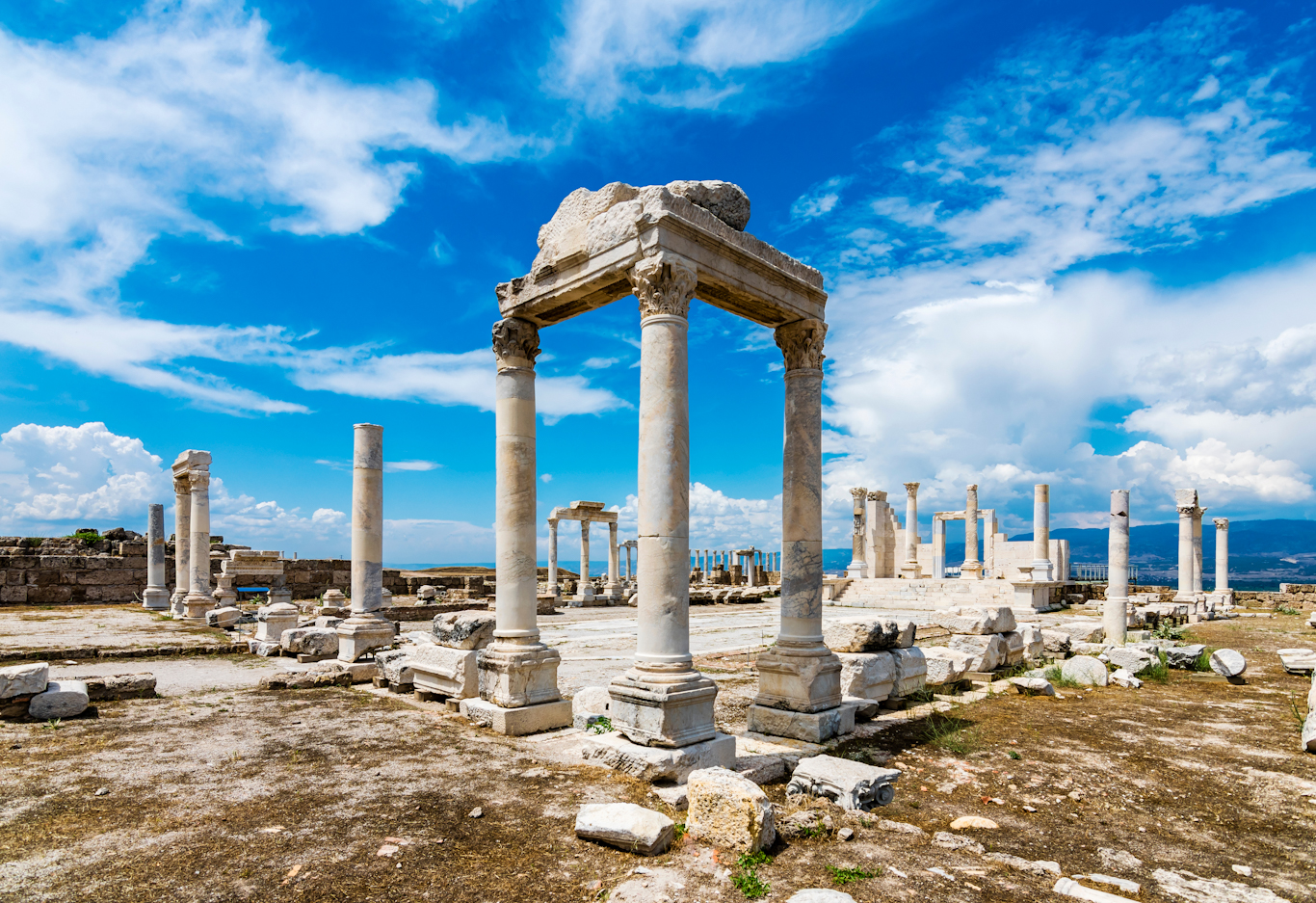
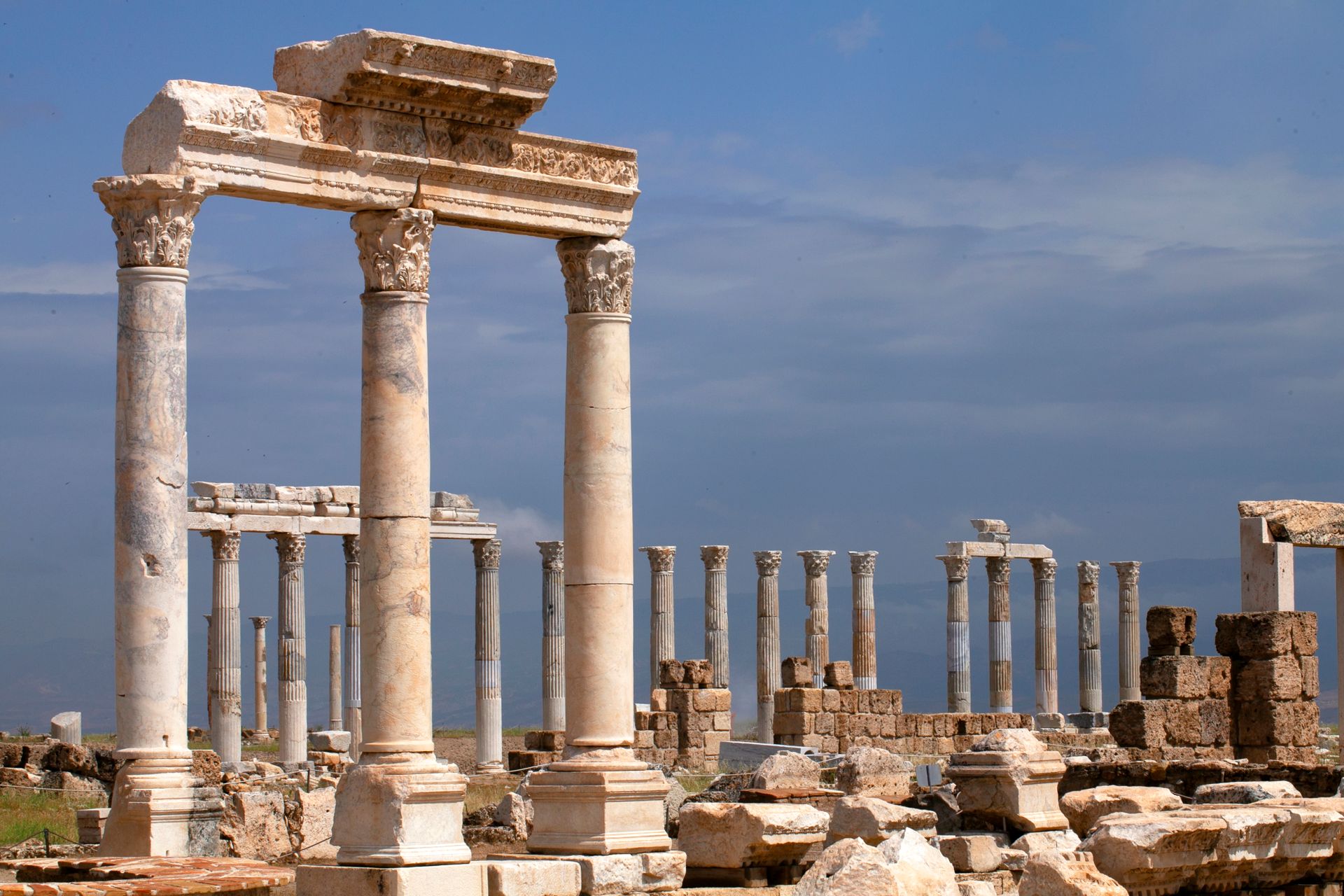
Laodicea isn’t just another stop on the map—it’s the church singled out in the Book of Revelation for being “lukewarm.” But what did that mean then, and why does it still matter today?
The Water Problem
Laodicea was rich, stylish, and successful. But it had one major weakness: no water source of its own. Hot water was piped in from the thermal springs of Hierapolis, while cold water flowed down from the snow-capped mountains near Colossae. By the time it reached Laodicea, it was neither hot nor cold—just tepid and stale. Lukewarm. That image became the perfect spiritual metaphor.
The Spiritual Wake-Up Call
Hot water heals and soothes. Cold water refreshes and revives. But lukewarm water? It’s unpleasant and useless. That’s why Jesus warned the church: “Because you are lukewarm—neither hot nor cold—I am about to spit you out of my mouth.” (Revelation3:16)
Laodicea had become comfortable, complacent, and materially rich but spiritually bankrupt. They believed they lacked nothing, yet Jesus declared, “You do not realize that you are wretched, pitiful, poor, blind and naked.” (Revelation 3:17) They had lost their spiritual passion and edge. It’s a timeless warning: a faith without fire is a faith without impact.
Why It Still Matters
Walking through the ruins of Laodicea today, the stones seem to echo the same warning: don’t settle for a lukewarm life. This isn’t just ancient history—it’s a modern challenge to live with purpose, energy, and wholehearted faith.
The Interrupting Voice
But the message to Laodicea was never about rejection —it was about love. Jesus says, “Those whom I love, I reprove and discipline, so be zealous and repent.” (Revelation 3:19) Then comes one of the most personal invitations in Scripture: “Behold, I stand at the door and knock. If anyone hears my voice and opens the door, I will come into him and eat with him, and he with me.” (Revelation 3:20) It’s a call to renewal, not condemnation.

Ready to Ignite Your Spark?
Our Seven Churches tour isn’t about dusty ruins and historical facts—it’s about discovering timeless truths that still stir hearts. Stand where the “lukewarm” church once stood. Reflect on its warning. Let Laodicea challenge you, stir you, and perhaps reignite your spark.
Come with us. Don't just sightsee—explore.
Join our upcoming Biblical Tour of Türkiye to the Seven Churches and experience history that still speaks today.
Spaces are limited, keeping our groups intentionally small and personal.
Ready to explore the full itinerary and reserve your place on the journey?
For more information on our destinations, click on the following: Israel | Jordan | Türkiye | Greece
Stay In The Know


© All rights reserved copyright 2026 | Licence Number: TA01376 | Privacy Policy | Terms Of Use
Imagine stepping into a Mediterranean marketplace nearly 2,000 years ago — spices in the air, merchants calling out, bronze coins changing hands, craftsmen at work, and philosophers debating under the shade of open-air columns. These busy public spaces were at the heart of ancient city life. They were also places where the Apostle Paul met people, worked, taught, and shared his faith.
Philippi | Acts 16:11-40
After Paul freed an enslaved girl from exploitation, her angry owners dragged Paul and Silas into the public square, where they were beaten and imprisoned. Yet even in chains, they prayed and sang hymns. As you walk through the ruins of Philippi today, it is amazing to imagine what happened here — and how Paul continued to hold firmly to his faith in the face of injustice and corrupt systems.
Thessaloniki | Acts 17:1-9
Paul’s preaching in the marketplace sparked such a powerful response that opponents accused the believers of “turning the world upside down.” From this turmoil emerged a resilient community of faith. Paul later praised them, writing, “Your faith in God has gone forth everywhere.” Thessaloniki reminds us that opposition cannot extinguish genuine faith, love, and truth.
Athens | Acts 17:15-34
Walking through the Athenian Agora, Paul engaged daily with local thinkers and philosophers. Later, invited to speak at the Areopagus (Mars Hill) overlooking the marketplace, he pointed to their altar dedicated to an “Unknown God” as a starting point to introduce them to the living God. Athens offers a powerful example of meeting people where they are — engaging culture, curiosity, and reason with wisdom and respect.
Corinth | Acts 18:1-18
Paul worked alongside Aquila and Priscilla as a tentmaker while sharing his faith in the busy forum. Amid the noise of trade and daily life, he helped establish a thriving community nurtured through his letters. Corinth shows that grace flourishes in hard places and that strong community grows out of daily work, relationships, and shared faith.
Ephesus | Acts 18:19-21; Acts 19
Ephesus thrived on the production and sale of silver shrines. As people embraced Paul’s message, demand for idols plummeted — sparking a massive uproar in the city’s theatre. Decades later, the church in Ephesus received another message letter — this time in Revelation — urging them to return to their “first love” (Revelation 2:4). Ephesus highlights the tension between commerce and devotion, challenging us to guard our heart and priorities amid the hustle of everyday life.
Step into the Story
Paul’s ministry was never hidden away — it was lived out in the public square, shared over honest work, and built through genuine fellowship. Retracing his footsteps across Greece and Türkiye offers a fresh perspective on what it means to bring faith, hope, and truth into our modern world.
Ready to experience these historic sites?
Join us from 12 to 23 April 2027 as we retrace the footsteps of Paul through Greece and Türkiye.
Click here for full tour details.
For more information on our destinations, click on the following: Israel | Jordan | Türkiye | Greece