
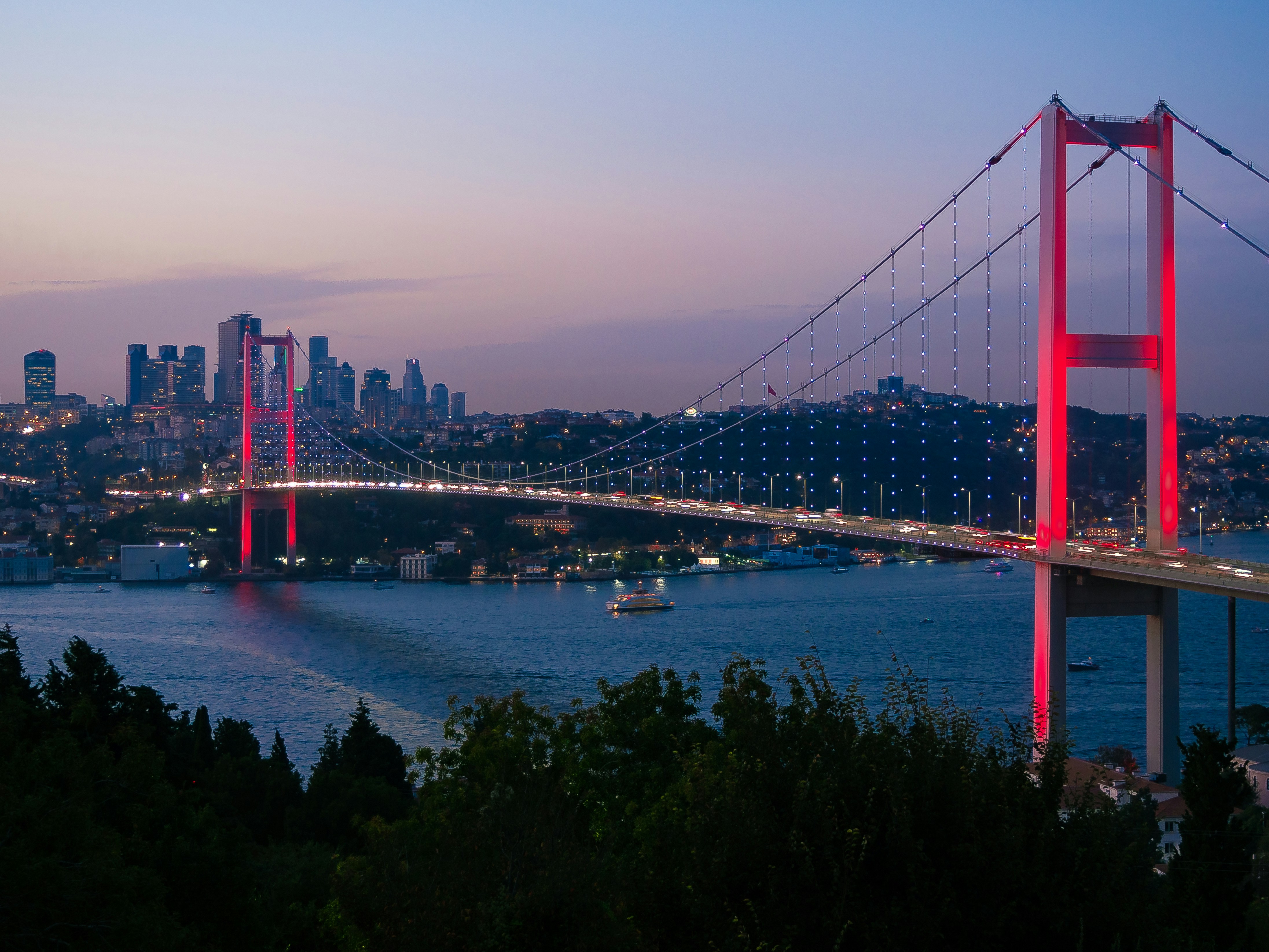
If there's one experience you shouldn't miss in Istanbul, it's a boat ride on the Bosporus. Walking the city's streets lets you feel its energy but seeing it from the water gives you a whole new perspective. As your boat cruises between Europe and Asia, you'll pass grand palaces, historic fortresses, elegant waterfront homes, and one of the world's busiest waterways.
🚢 What You’ll See
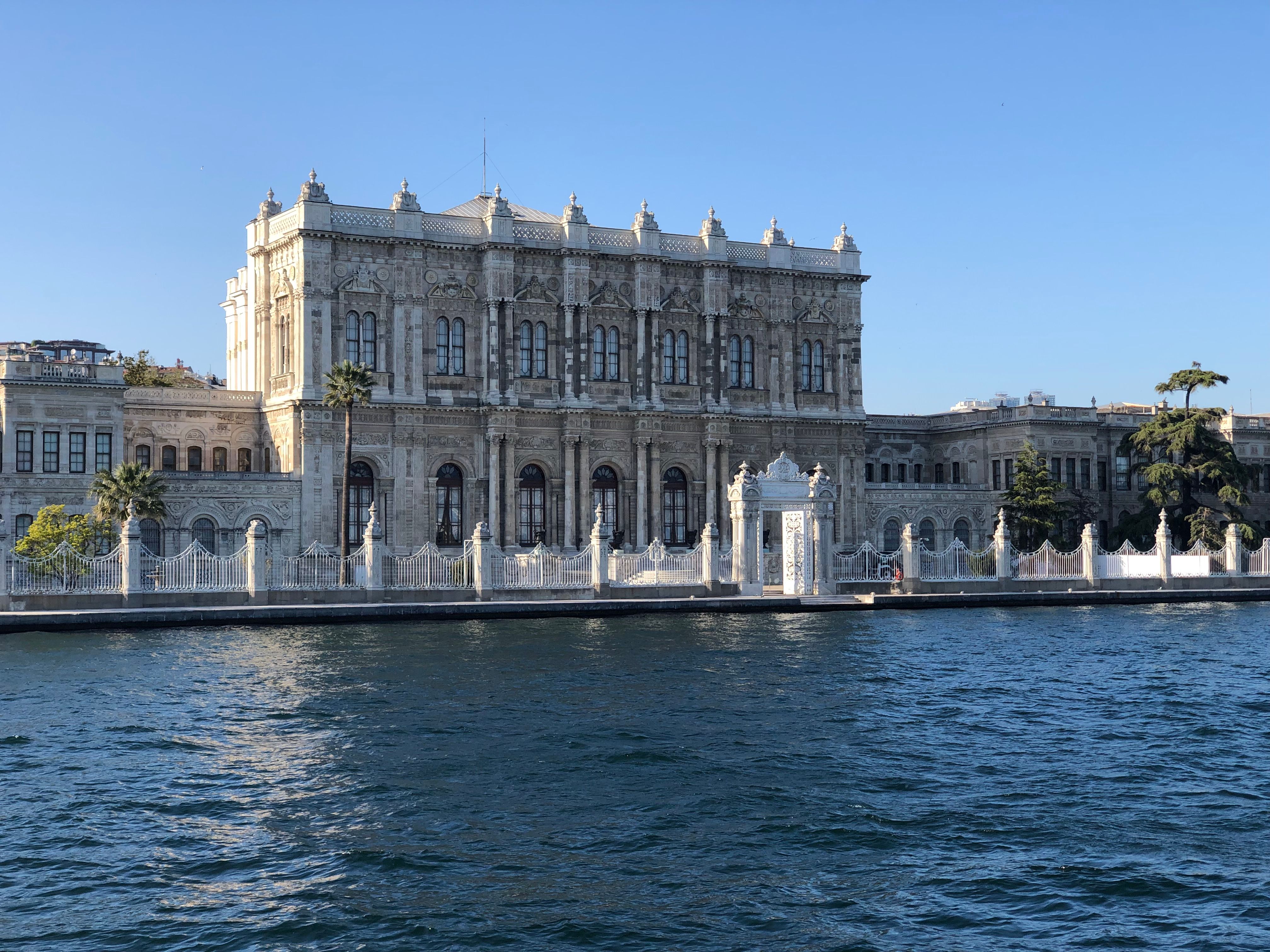
Dolmabahçe Palace: This magnificent 19th-century palace stretches along the waterfront. Its grand façade is even more impressive from the water.
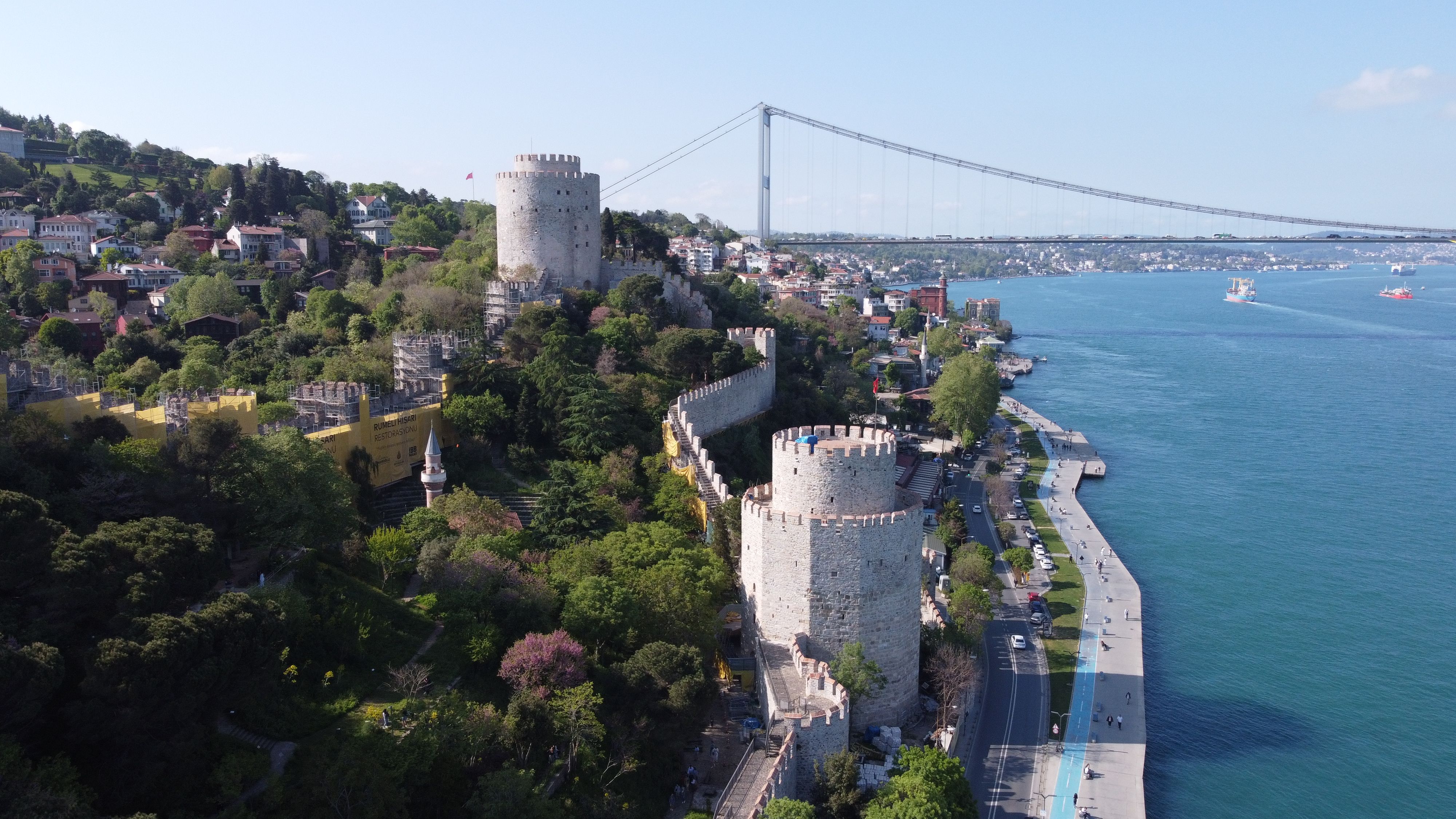
Rumeli Fortress: Built by Sultan Mehmed II to control the Bosporus before the conquest of Constantinople, this medieval fortress still stands proudly on the European shore.
Bosporus Bridge (15 July Martyrs Bridge): The first bridge to connect Europe and Asia, its graceful span is one of Istanbul’s most recognisable landmarks. After dark, its colourful lights reflect beautifully across the water.
🌅 The Best Time to Go
· Morning brings soft light and calm waters.
· Sunset bathes the city in golden hues before the skyline begins to sparkle.
· Nightfall transforms the Bosporus into a ribbon of shimmering lights.
A boat ride on the Bosporus is the perfect way to slow down, relax, and take in Istanbul from its most beautiful angle. Whether it’s your first visit or your fifth, the view from the water never gets old.

Click here for more details about our upcoming Biblical Türkiye Tour.
For more information on our destinations, click on the following: Israel | Jordan | Türkiye | Greece
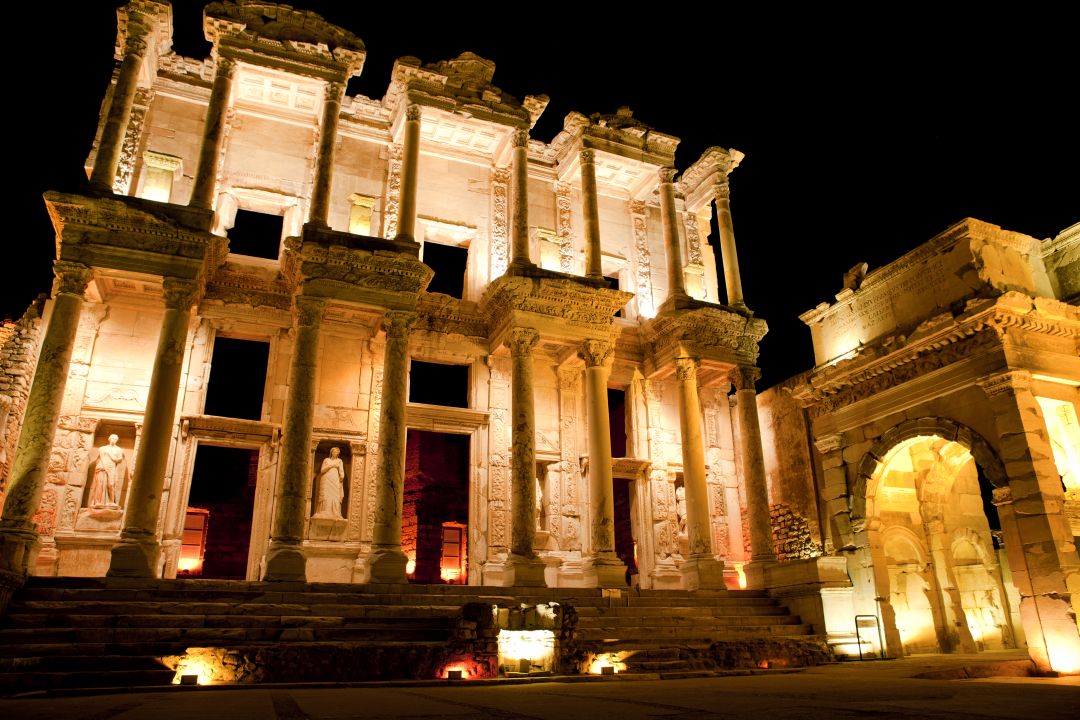
To walk through the marble streets of Ephesus is to step into a world where nearly 8,000 years of history meet the pages of Scripture. Once a booming powerhouse of the ancient world, and now a UNESCO World Heritage Site, its grand ruins stand as a quiet testament to the city that helped shape the early Christian faith.

As you stroll along its polished marble avenues toward the iconic Library of Celsus, history comes alive around every corner. It was here, amid bustling marketplaces and grand pagan temples, that the Apostle Paul spent over two years preaching the gospel and nurturing a thriving Christian community (Acts 19:10).
Nearby stands the impressive Great Theatre, where up to 24,000 people once gathered. It was here that a riot erupted as silversmiths, fearing the spread of Christianity would threaten their trade in idols of Artemis, shouted in unison, "Great is Artemis of the Ephesians!" (Acts 19:23–41). Standing in this vast arena today, you can almost hear the echoes of the ancient crowd and admire the courage of the early believers who remained steadfast in their faith.

Ephesus holds a special place in the Bible as one of the Seven Churches of Revelation. The believers were praised for their hard work and patience, but they were also given a gentle, heartwarming reminder: “You have forsaken the love you had at first” (Revelation2:4-5). It’s a timeless message that still resonates with anyone visiting today — an invitation to return to a wholehearted love for God.
Tradition also holds that the Apostle John brought Mary, the mother of Jesus, to Ephesus, where she spent her final years under his care. Today, pilgrims travel to the nearby House of the Virgin Mary to reflect and pray.
Ephesus isn’t just an extraordinary open-air sanctuary — it’s a place that touches the heart. As you wander its ancient paths, you’re invited to marvel at its remarkable past and, more deeply, to reflect on your own spiritual journey, rediscovering the joy of your first love.
Check out just how breathtaking this ancient city looks on camera:
Join us on our Biblical Türkiye Tour (27 Nov - 08 Dec 2026) as we discover the rich Christian heritage of Türkiye.
For more information on our destinations, click on the following: Israel | Jordan | Turkiye | Greece
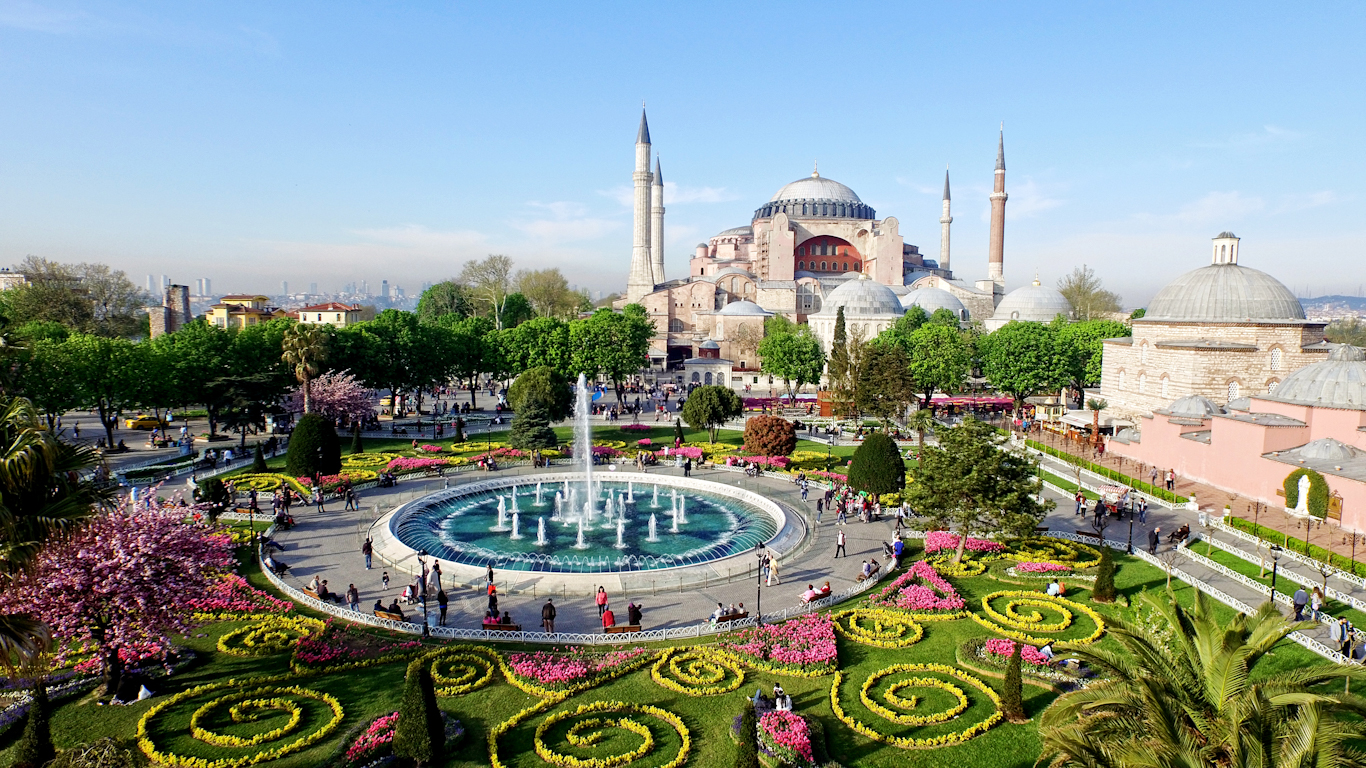
For Christians visiting Istanbul, Hagia Sophia and Chora Church offer a remarkable glimpse into the story of faith that has endured through empires and centuries. Once great cathedrals, later mosques and museums, today mosques again—their Christian heritage remains alive in mosaics, frescoes, and sacred spaces.

Hagia Sophia: Beneath the Great Dome
For over 900 years, Hagia Sophia, meaning "Holy Wisdom," was the cathedral of the Byzantine Empire and one of the most important centres in the Christian world. Emperors were crowned here, church leaders gathered, and generations of believers came to worship beneath its soaring dome.
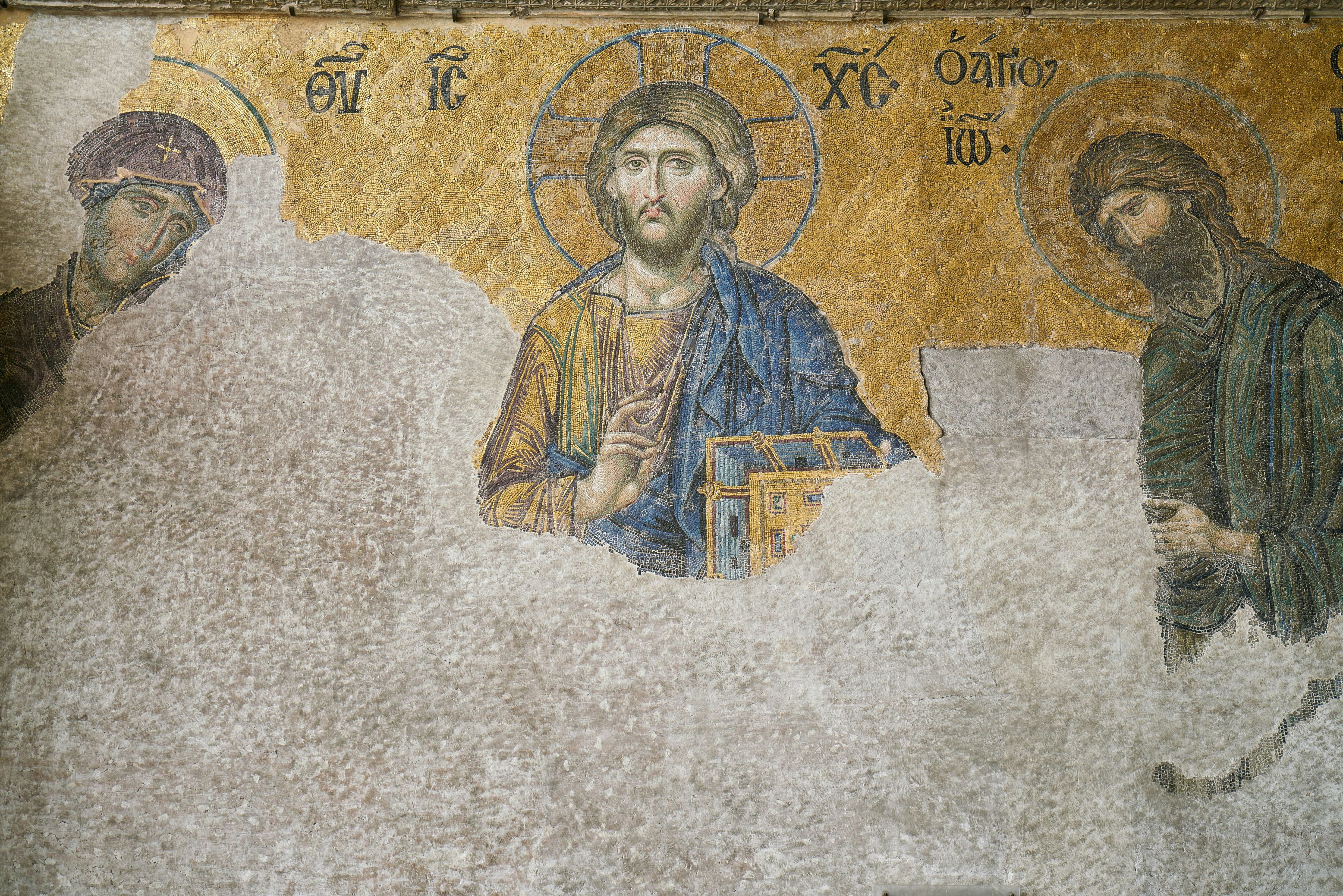
Rising 55m high above the floor and ringed by forty windows, the dome creates a breathtaking sense of lightness, as if heaven touches earth. Among its treasures is the moving Deesis Mosaic, portraying Christ with the Virgin Mary and John the Baptist—a masterpiece of Byzantine Christian art that still speaks with deep emotion.
Chora Church: The Gospel in Colour
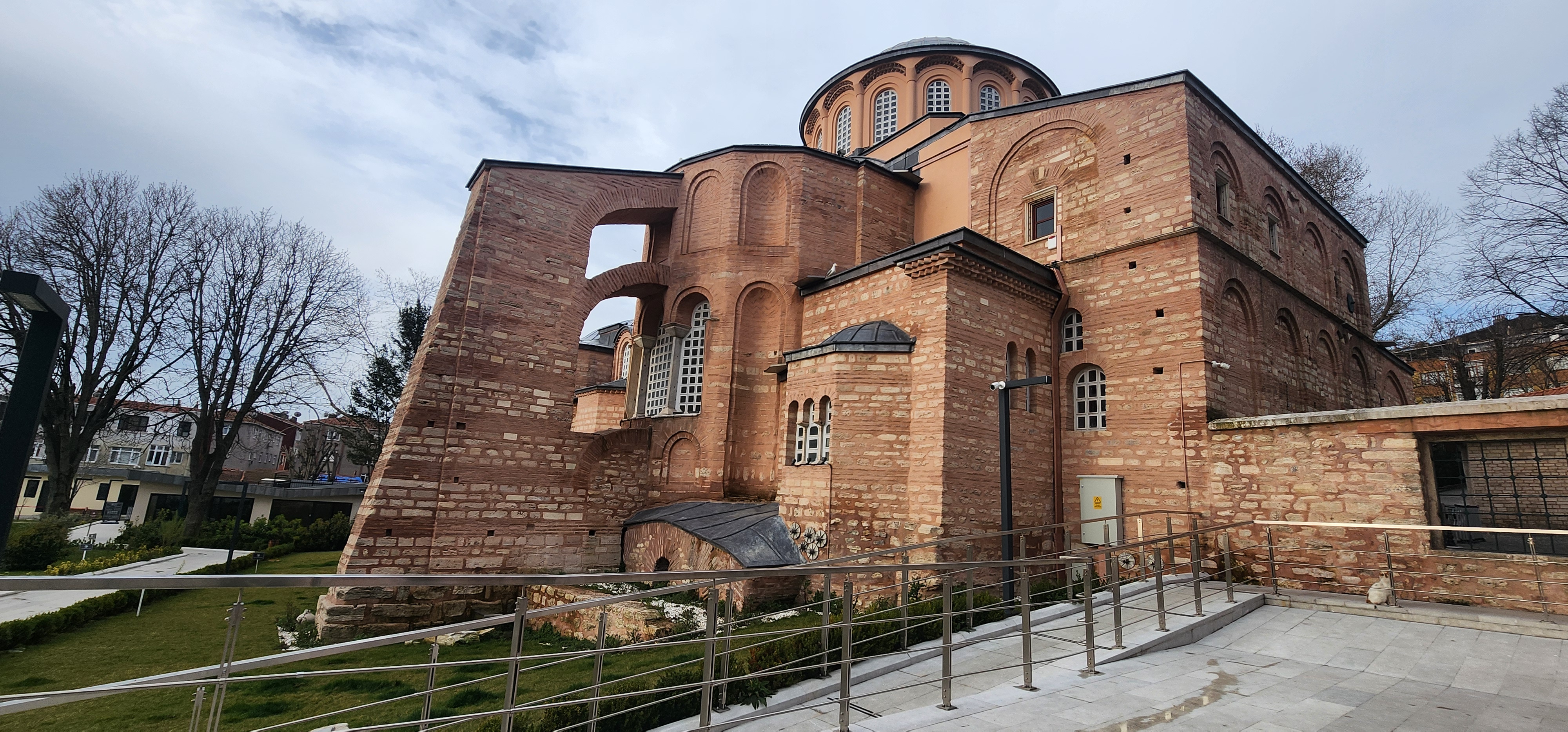
If Hagia Sophia inspires awe, Chora draws you close with warmth and intimacy. Often called the jewel of late Byzantine art, its walls are alive with mosaics and frescoes that tell the story of Christ and Mary in vivid detail.
In an age when many could not read, these images became a visual Gospel, bringing Scripture to life for worshippers. Walking through Chora feels like turning the pages of an ancient illustrated Bible. One highlight is the 14th-century mosaic of Christ Pantokrator (“Almighty”) blessing visitors while holding the Gospel. The inscription "The Land of the Living" poetically points to Christ as the eternal home of all who belong to Him.

Where Empires Changed, Faith Endured
Visiting Hagia Sophia and Chora is more than sightseeing—it is stepping into centuries of history where faith, art, and culture intertwine. Though their roles have shifted, their beauty and message still whisper to all who enter.
Join us on our Biblical Türkiye Tour (27 Nov - 08 Dec 2026) as we walk through these sacred spaces together and discover the rich Christian heritage of Istanbul.
For more information on our destinations, click on the following: Israel | Jordan | Türkiye | Greece

Just miles apart on Türkiye’s sunlit Aegean shore, two epic stories sit side by side. One tells of a legendary war once thought to be mere myth; the other of a midnight vision that quietly changed the map of the global faith.
Troy: Where Myth and History Meet
For centuries, the tale of Helen, Achilles, and the wooden horse was dismissed as legend. Yet when archaeologists began digging, they uncovered nine to ten layers of ancient cities stacked one upon another. Among them lay a massive Bronze Age fortress scarred by fire and battle. Whether Homer’s account was fact or poetry, Troy shows us that legends often rise from truths too powerful to forget.

Alexandria Troas: Where Faith Took Sail
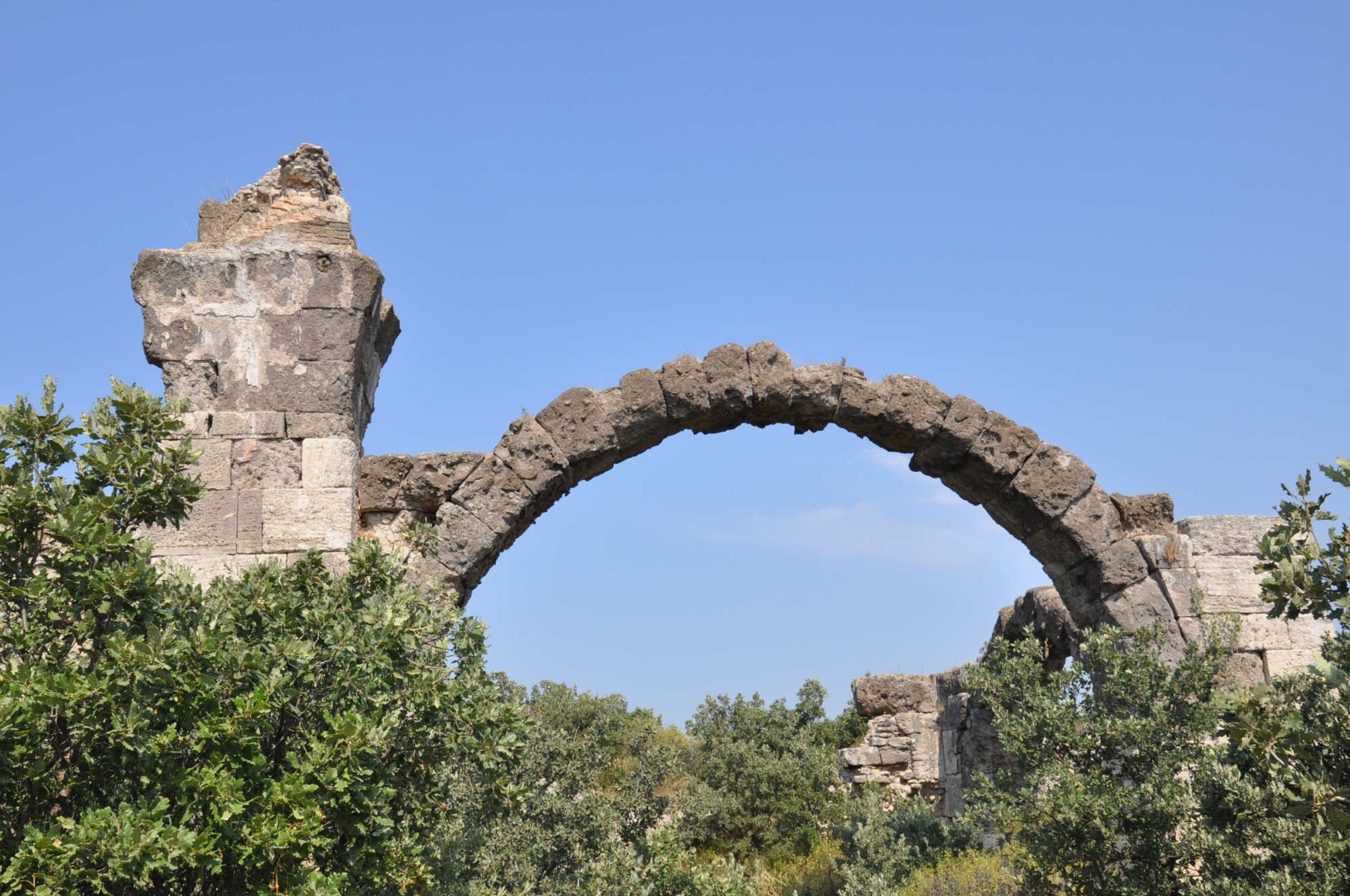
Just a short drive down the sunlit coast lies Alexandria Troas, once a bustling Roman port now softened by grass and silence. Here, the Apostle Paul received a vision of a Macedonian man pleading, “Come over to Macedonia and help us” (Acts 16: 9). From this harbour, Paul boarded a ship and carried the Gospel into Europe—a moment that reshaped the spiritual map of the Western world.
A Journey of Wonder and Faith
Troy invites us to imagine. Alexandria Troas invites us to follow God’s leading. Together, they remind us that travel is more than moving from place to place—it is discovery. Some journeys spark our imagination; others deepen our faith. The most meaningful ones often do both.
Today, the Aegean coast is waiting. What if this story was not only something to read, but a journey you could experience?
Join us on Biblical Türkiye – Seven Churches of Revelation with Troy & Cappadocia, and see for yourself where legends and faith set sail.
Spaces are limited, keeping our groups intentionally small and personal.
Ready to explore the full itinerary and reserve your place on the journey?
For more information on our destinations, click on the following: Israel | Jordan | Türkiye | Greece

Step into Istanbul's legendary Spice Bazaar and prepare for a full-on sensory overload. 😍 Beneath its grand 17th-century Ottoman arches, the air swirls with the rich, inviting scents of saffron, paprika, turmeric, and sumac—all piled high in dazzling cones of colour that are an absolute feast for your eyes.

Every single corner tempts you with something delicious! Think jewel-toned Turkish delights flavoured with sweet rose water, pomegranate, and zesty lemon, alongside glossy dried figs and dates, crunchy local nuts, fragrant apple tea, smoky sausages, and endless varieties of savoury olives.
Beyond all the yummy, edible treasures, the bazaar glitters with beautiful mosaic lamps, hand-painted ceramics, and artisanal olive oil soaps that make the perfect souvenirs. More than just a market, the Spice Bazaar is a vibrant slice of Turkish culture where history, flavour, and colour collide in the most unforgettable way. Don’t just visit history, taste it! ✨ Enjoy every single bite!

Click for the full itinerary for our upcoming Biblical Türkiye tour from 27 Nov to 08 Dec 2026.
For more information on our destinations, click on the following: Israel | Jordan | Türkiye | Greece
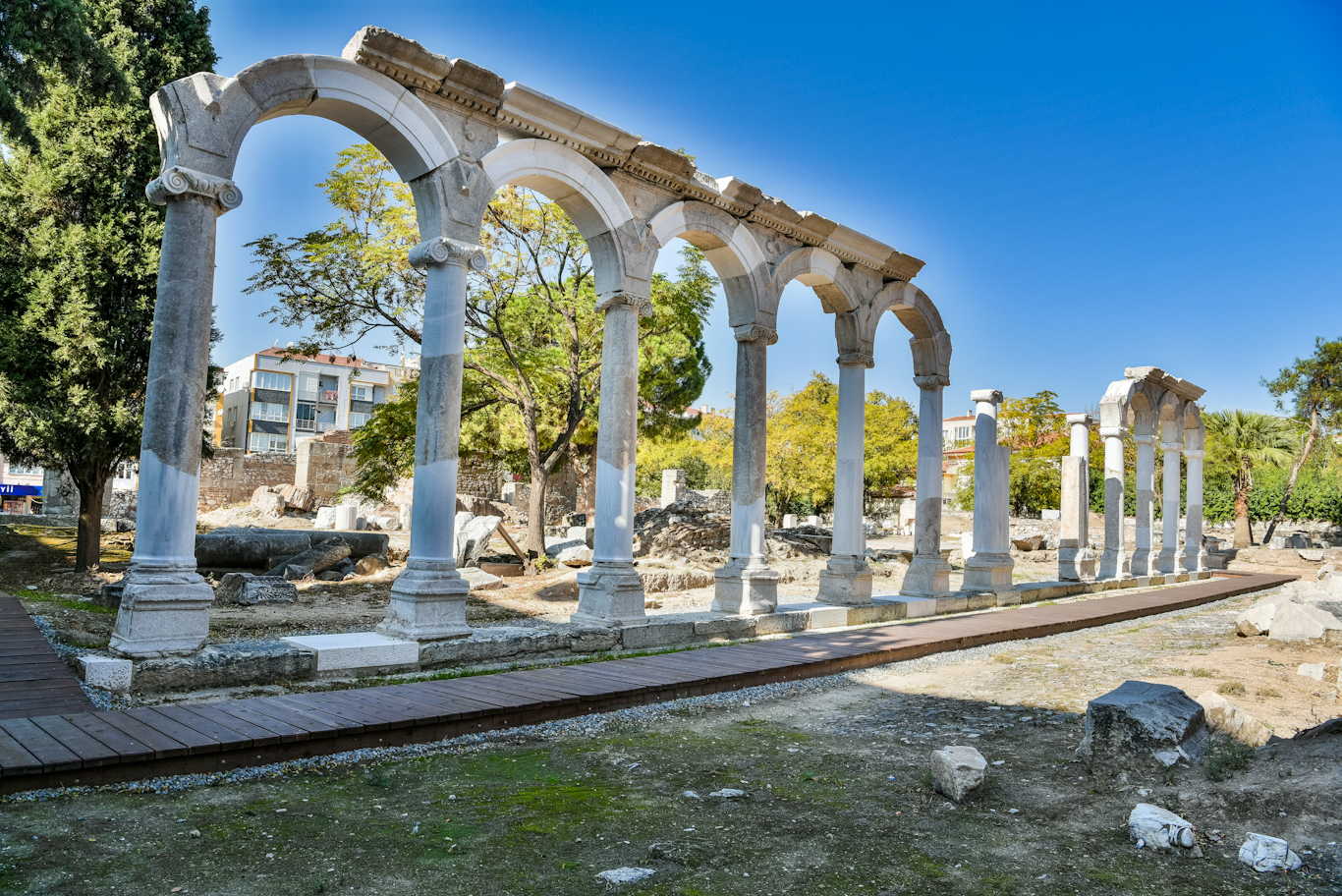
Thyatira is not a city of dramatic ruins. It sits quietly inside modern Akhisar where ancient history and daily life overlap. Shops, roads, and homes stand where an important city once lived. That contrast is what makes Thyatira interesting.
A Working City
In Roman times, Thyatira was a busy industrial city, known for its textiles, bronze work, and especially its famous purple dye — a luxury reserved for emperors and elites. Life here revolved around work, and work meant belonging to a trade guild. Most people were connected to trade guilds that shaped both livelihood and community.

The Pressure to Fit In
These guilds were essential for survival, offering access to jobs and social networks. But they also involved feasts and rituals dedicated to pagan gods. For early Christians, this created a daily struggle: join the guild and compromise faith or refuse the guild and risk poverty, exclusion, and hardship. Faith was tested not in dramatic events, but in ordinary decisions about work, survival, and loyalty.
The Letter to Thyatira
In Revelation 2:18–29, Jesus praises the believers for their love, faith, and service. Yet He also warns them not to tolerate false teaching that leads to compromise. To those who remain faithful, He promises victory, authority, and the gift of the “morning star” — a symbol of closeness and eternal fellowship with Him.

Why Visit Thyatira Today
There is not much left to see compared to other ancient cities. But Thyatira stands out for a different reason. It tells a story of everyday pressure — work, survival, and faith in tension.
So, if you’re tracing the Seven Churches of Revelation, don’t overlook Thyatira. Its stones still echo a timeless message: true victory is found not in compromise, but in faithfulness.
Click here for more details about our upcoming Seven Churches of Revelation tour.
For more information on our destinations, click on the following: Israel | Jordan | Türkiye | Greece
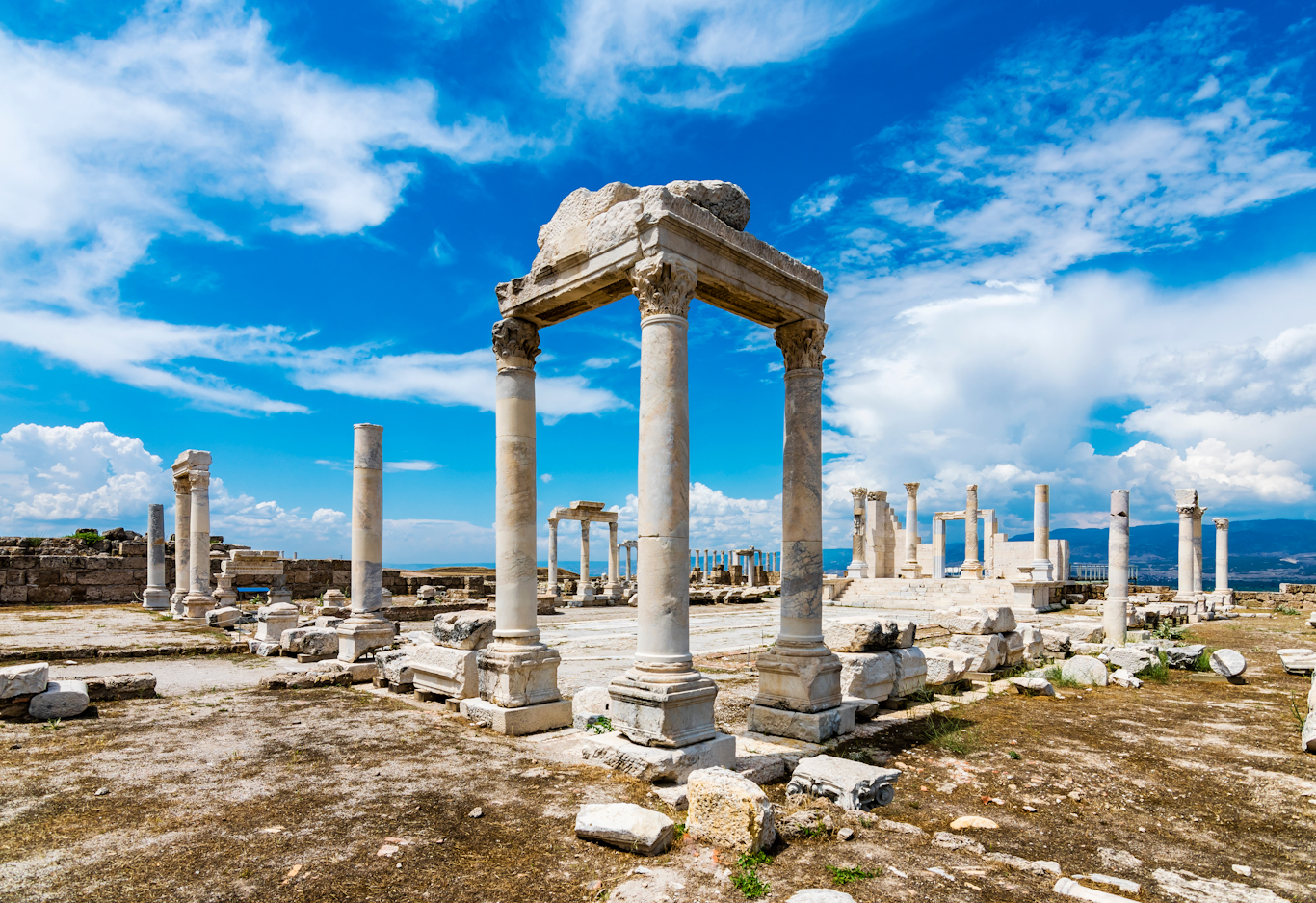
Laodicea isn’t just another stop on the map—it’s the church singled out in the Book of Revelation for being “lukewarm.” But what did that mean then, and why does it still matter today?
The Water Problem
Laodicea was rich, stylish, and successful. But it had one major weakness: no water source of its own. Hot water was piped in from the thermal springs of Hierapolis, while cold water flowed down from the snow-capped mountains near Colossae. By the time it reached Laodicea, it was neither hot nor cold—just tepid and stale. Lukewarm. That image became the perfect spiritual metaphor.
The Spiritual Wake-Up Call
Hot water heals and soothes. Cold water refreshes and revives. But lukewarm water? It’s unpleasant and useless. That’s why Jesus warned the church: “Because you are lukewarm—neither hot nor cold—I am about to spit you out of my mouth.” (Revelation3:16)
Laodicea had become comfortable, complacent, and materially rich but spiritually bankrupt. They believed they lacked nothing, yet Jesus declared, “You do not realize that you are wretched, pitiful, poor, blind and naked.” (Revelation 3:17) They had lost their spiritual passion and edge. It’s a timeless warning: a faith without fire is a faith without impact.
Why It Still Matters
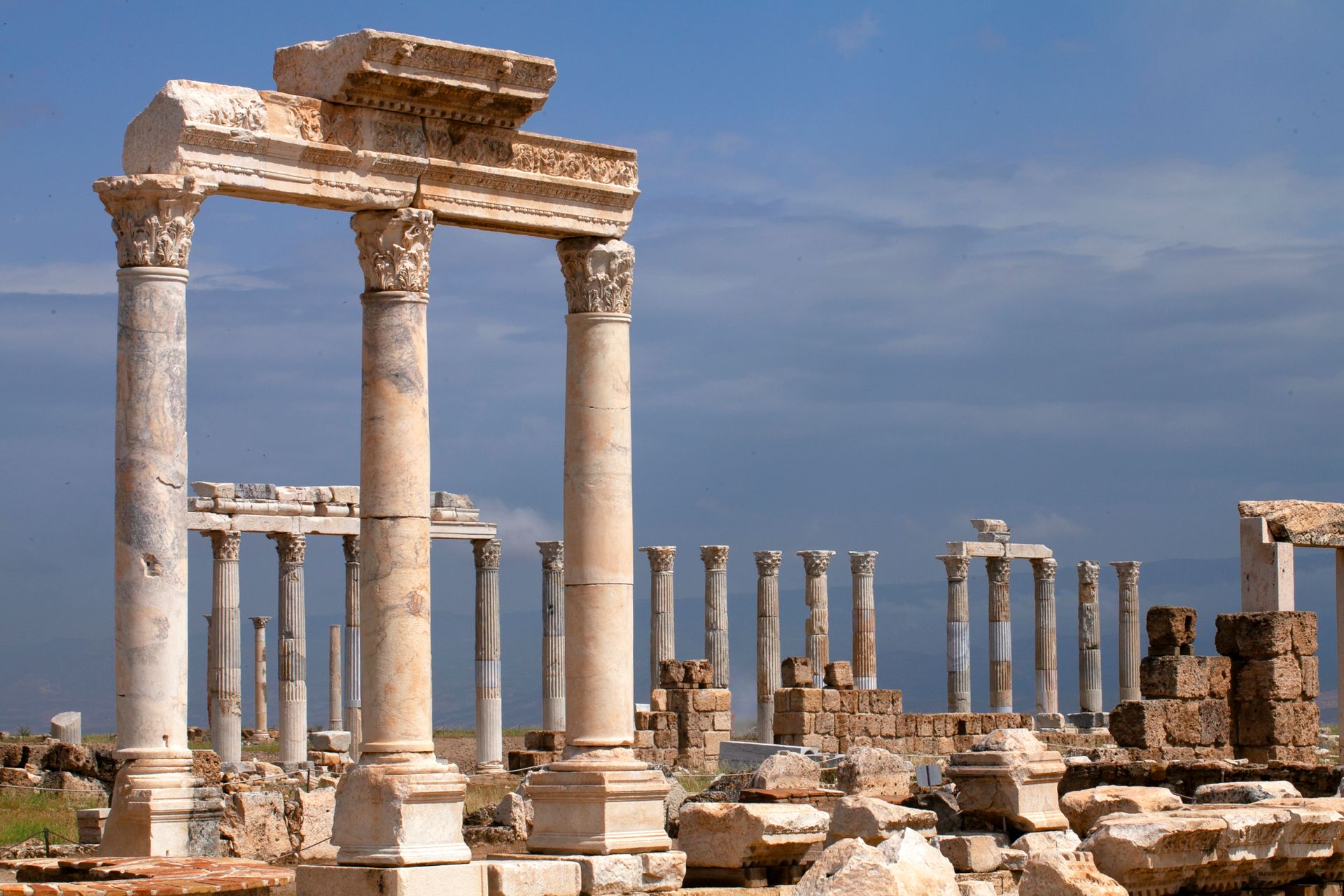
Walking through the ruins of Laodicea today, the stones seem to echo the same warning: don’t settle for a lukewarm life. This isn’t just ancient history—it’s a modern challenge to live with purpose, energy, and wholehearted faith.
The Interrupting Voice
But the message to Laodicea was never about rejection —it was about love. Jesus says, “Those whom I love, I reprove and discipline, so be zealous and repent.” (Revelation 3:19) Then comes one of the most personal invitations in Scripture: “Behold, I stand at the door and knock. If anyone hears my voice and opens the door, I will come into him and eat with him, and he with me.” (Revelation 3:20) It’s a call to renewal, not condemnation.

Ready to Ignite Your Spark?
Our Seven Churches tour isn’t about dusty ruins and historical facts—it’s about discovering timeless truths that still stir hearts. Stand where the “lukewarm” church once stood. Reflect on its warning. Let Laodicea challenge you, stir you, and perhaps reignite your spark.
Come with us. Don't just sightsee—explore.

Join our upcoming Biblical Tour of Türkiye to the Seven Churches and experience history that still speaks today.
Spaces are limited, keeping our groups intentionally small and personal.
Ready to explore the full itinerary and reserve your place on the journey?
For more information on our destinations, click on the following: Israel | Jordan | Türkiye | Greece

Forget the postcard views of Istanbul for a moment. The real thrill lies underground. Just a few steps down from the city’s chaos, the Basilica Cistern opens like a hidden sanctuary—cool, dim, and dripping with atmosphere.
Built in 532 CE under Emperor Justinian I, this vast reservoir once supplied water to the Great Palace of Constantinople. Today, it’s pure mood: 336 marble columns rising from shallow pools, their reflections glowing under soft lights. Repurposed from Roman temples, each column tells its own story, creating a surreal forest frozen in time.

The Medusa Mystery
Tucked deep inside are two giant Medusa carvings, used as column bases. One is upside down, the other sideways. Was it clever engineering or a nod to myth? No one knows. Standing before them, half‑submerged and weathered, feels like stepping into a legend.
From Ancient World to Silver Screen
From explorer Petrus Gyllius rowing through its waters centuries ago to James Bond slipping across its screen in From Russia with Love, the cistern has always been more than stone and water. It’s a set piece for imagination—cinematic, eerie, unforgettable.

Why It Stays With You
This isn’t a museum you stroll through; it’s an experience that lingers. Thirty minutes wandering its glowing pathways feels like entering Istanbul’s secret heartbeat. Engineering, myth, and dream all collide here, leaving you with a memory that outlasts the visit.
Step Into the Sunken Kingdom
Ready to experience this underground marvel for yourself? Our upcoming Biblical Türkiye Tour takes you right into the heart of the sunken kingdom. Secure your spot today, walk among its ancient columns, and feel the quiet magic beneath the city.
Click here for details to secure your journey today.
For more information on our destinations, click on the following: Israel | Jordan | Turkey | Greece

Few dishes are as widely enjoyed as the kebab. Sizzling, juicy, and aromatic, its story stretches back thousands of years to the ancient Near East. Nomadic tribes and weary travellers would skewer fresh cuts of meat over open flames, creating quick, hearty meals suited to life on the move. The name itself comes from ancient Arabic, meaning “roasted,” reflecting these humble beginnings.

A Mediterranean Tradition Refined by Time
As trade routes expanded, kebabs spread across cultures, absorbing new flavours and cooking techniques along the way. Local spices, herbs, and marinades shaped the dish into a culinary tradition that continues to thrive today. Türkiye became especially renowned for the art of charcoal grilling. From succulent shish kebabs to the iconic doner kebabs slowly roasted on a vertical spit, these dishes grew into timeless symbols of hospitality, community, and shared meals.

Experience Faith and Flavour in Türkiye
Imagine walking through Türkiye’s striking landscapes, exploring ancient sites connected to biblical history, and pausing to enjoy authentic local cuisine. Our tour brings together history, faith, and flavour, offering opportunities to discover sacred stories while experiencing the country’s rich culinary traditions. Along the way, you’ll have the chance to taste kebabs and other local dishes, offering a deeper appreciation of Türkiye’s culinary heritage.
From historical landmarks to memorable meals, this journey offers a meaningful way to experience the culture, history, and flavours of Türkiye.
Click here to book your place today!
For more information on our destinations, click on the following: Israel | Jordan | Türkiye | Greece
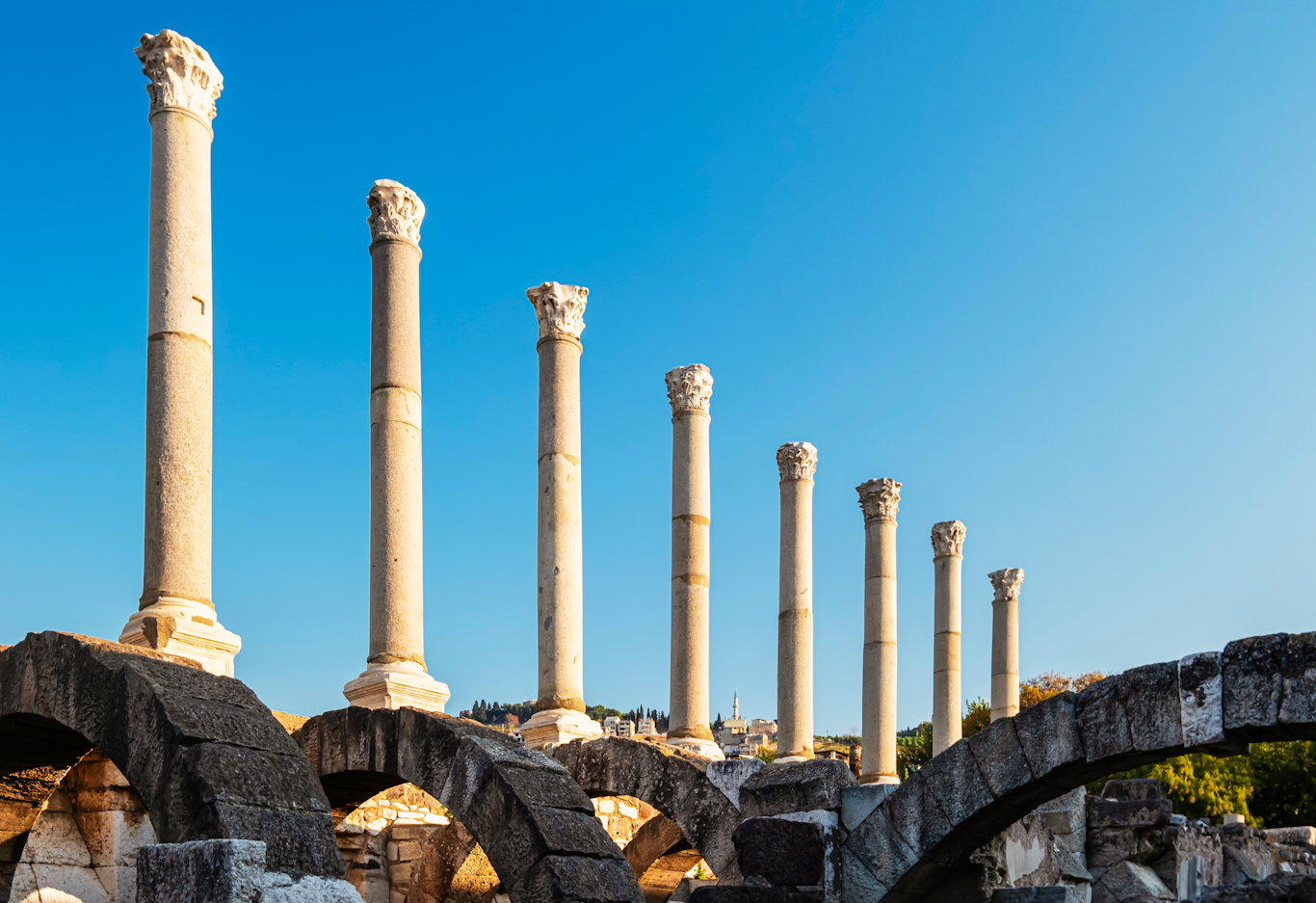
Among the Seven Churches of Revelation, two shine with a rare distinction: Smyrna and Philadelphia. Unlike the others, they received no rebuke — only encouragement. Their stories are about courage, perseverance, and unshakable faith, and even today, their ruins whisper tales that inspire travellers and believers alike.
Smyrna: Faithfulness in the Face of Fire
Imagine walking through a city once called the “Crown of Asia”. Ancient Smyrna (modern-day Izmir) was dazzling — featuring bustling harbours, elegant temples, and thriving marketplaces. Yet for Christians, it was a place of danger.
Refusing to bow to Roman emperors or pagan gods meant rejection, loss of livelihood, and even death. Still, the believers stood firm. The most famous among them was Polycarp, the beloved bishop who chose martyrdom rather than deny Christ. His courage became a beacon for generations.
In Revelation 2:8–11, Smyrna’s church is praised as “spiritually rich” despite material poverty. Their strength was forged in suffering, and their legacy still echoes through time.
Today, visitors can explore the Smyrna Agora, one of the best-preserved Roman marketplaces in the world. Beneath its ruins lie vaulted chambers, ancient graffiti, and water channels that still flow — a living reminder of resilience.
Philadelphia: Strength on Shaking Ground
While Smyrna battled persecution, Philadelphia (modern Alaşehir) lived with constant fear of earthquakes. Known as “Little Athens” for its temples and culture, the city was beautiful but fragile.
In 17 CE, a devastating earthquake destroyed much of Philadelphia. Even after rebuilding, tremors continued for years. Fear became part of everyday life. Many residents slept outside the city walls, too afraid to trust the buildings around them.
To this trembling city, Revelation 3:7–13 brought a promise: “I will make you a pillar in the temple of my God.” For people surrounded by collapsing structures, the image of becoming an unshakable pillar was deeply meaningful — a symbol of stability, safety, and eternal security.
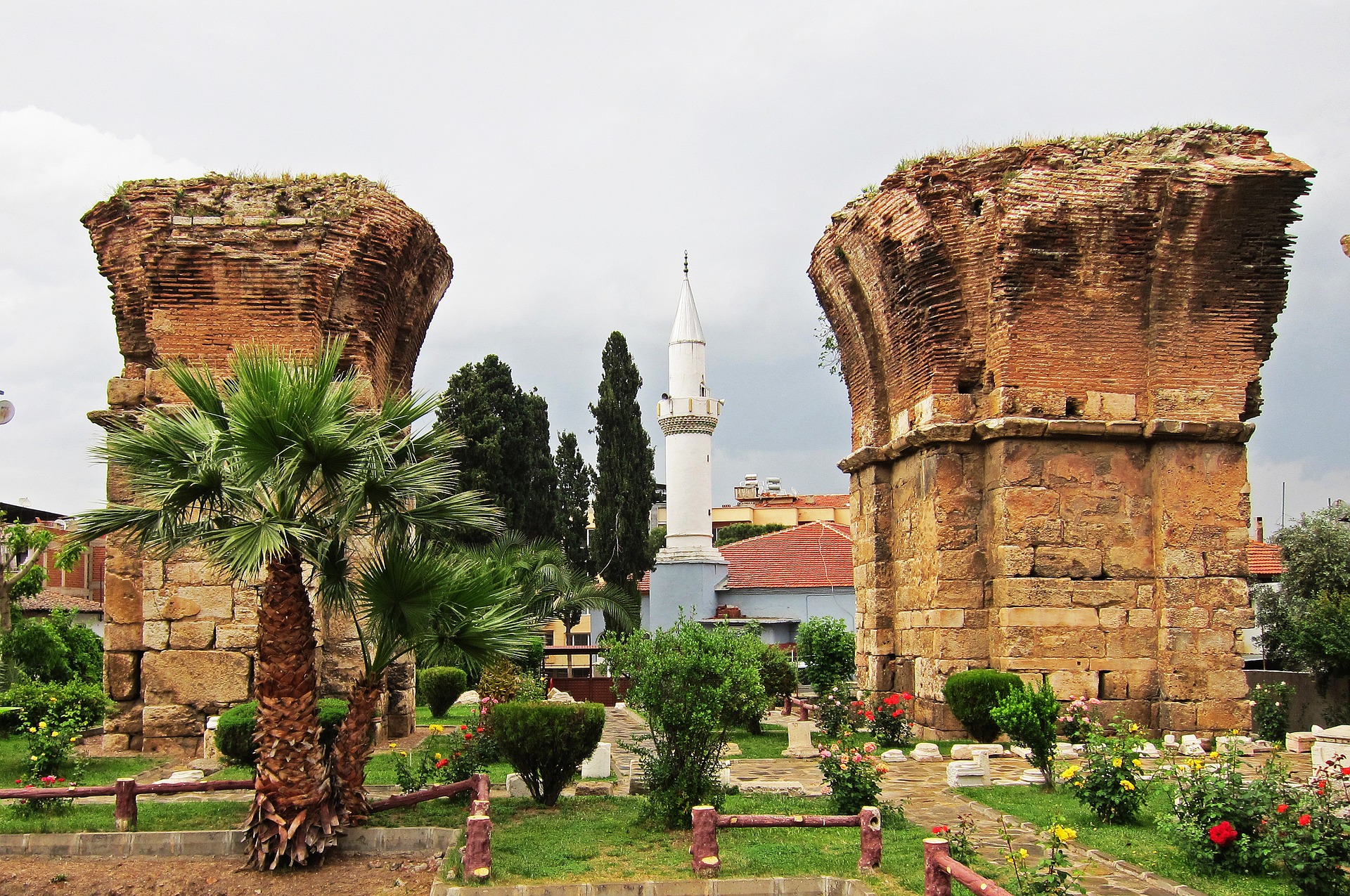
Today, the most striking remains are the towering brick pillars of the Basilica of St. John, standing quietly among modern homes. They are a reminder of faith that endures even when the ground itself shakes.
A Legacy That Still Speaks
Smyrna and Philadelphia faced different battles — one against persecution, the other against fear. Even so, neither one wavered. Their ruins may be quiet now, but their testimony is loud: true faith can endure anything.
Visiting these sites isn’t just about history; it’s about walking where courage once stood, touching stones that witnessed unshakable devotion, and feeling the weight of promises that still inspire.
If you’re ever in Türkiye, don’t miss the chance to explore these living stories. They are more than ruins — they are reminders of what it means to stand strong when the world shakes.
Click here to learn more about our upcoming tours.
For more information on our destinations, click on the following: Israel | Jordan | Türkiye | Greece
Some moments in history ripple outward. Others change the world forever.
In Acts 13, Paul and Barnabas arrived in the bustling Roman colony of Pisidian Antioch. Crowds gathered week after week to hear their message about Jesus. Hope spread quickly, but so did opposition. When local leaders resisted, Paul spoke words that marked a turning point in Christian history:
“We had to speak the word of God to you first. Since you reject it and do not consider yourselves worthy of eternal life, we now turn to the Gentiles. For this is what the Lord has commanded us: ‘I have made you a light for the Gentiles, that you may bring salvation to the ends of the earth.’” — Acts 13:46-47
From that moment, the Gospel was declared for all nations — open to every background, every story, every person who believes. Acts 13:49 tells us that "the word of the Lord spread through the whole region." What began in this mountain city echoed across the world.
Why Pisidian Antioch Mattered
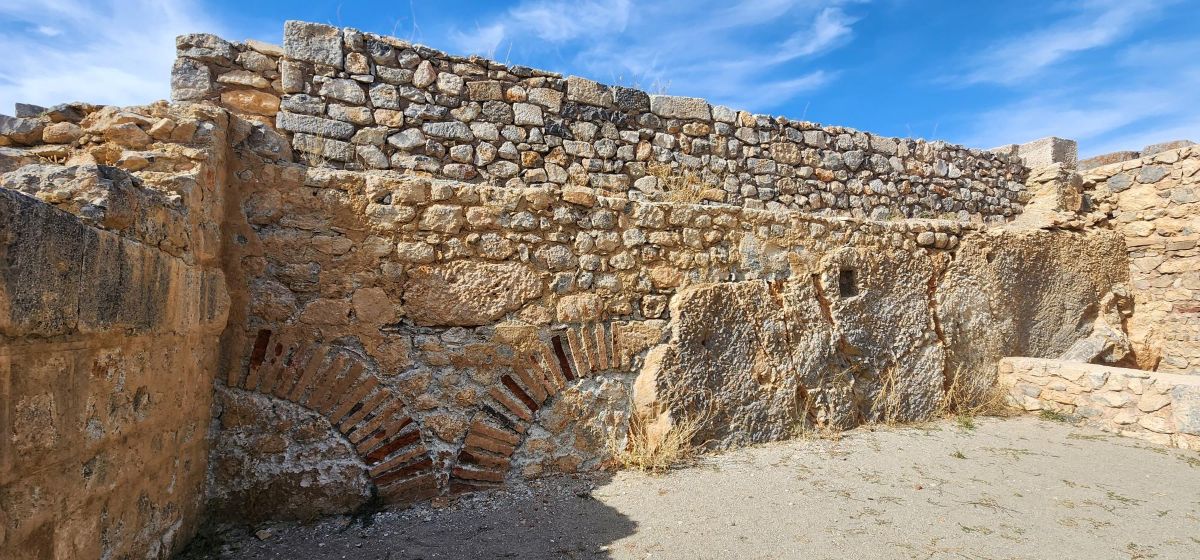
Pisidian Antioch was no quiet village. It was a wealthy Roman colony built on a strategic plateau, filled with retired soldiers, temples, theatres, and paved streets. A fortress of Roman influence, it was a place where cultures collided and ideas spread. Paul and Barnabas entered the synagogue first, as was their custom, and preached to the Jewish community. Their message immediately drew interest from both Jews and Gentiles. By the following Sabbath, nearly the entire city had gathered to listen. In this setting, the Gospel leapt beyond boundaries, becoming a message for the nations.
A City Lost to Time
Like many great cities of antiquity, Pisidian Antioch eventually declined. Earthquakes, disease, and invasions weakened it in the 6th century. Later Arab raids further reduced its population, and by the arrival of the Seljuk Turks in the 11thcentury, the once-glorious colony had largely been abandoned. Many residents relocated to the nearby town of Yalvaç, leaving the ancient city buried beneath centuries of silence.
Visiting Pisidian Antioch Today
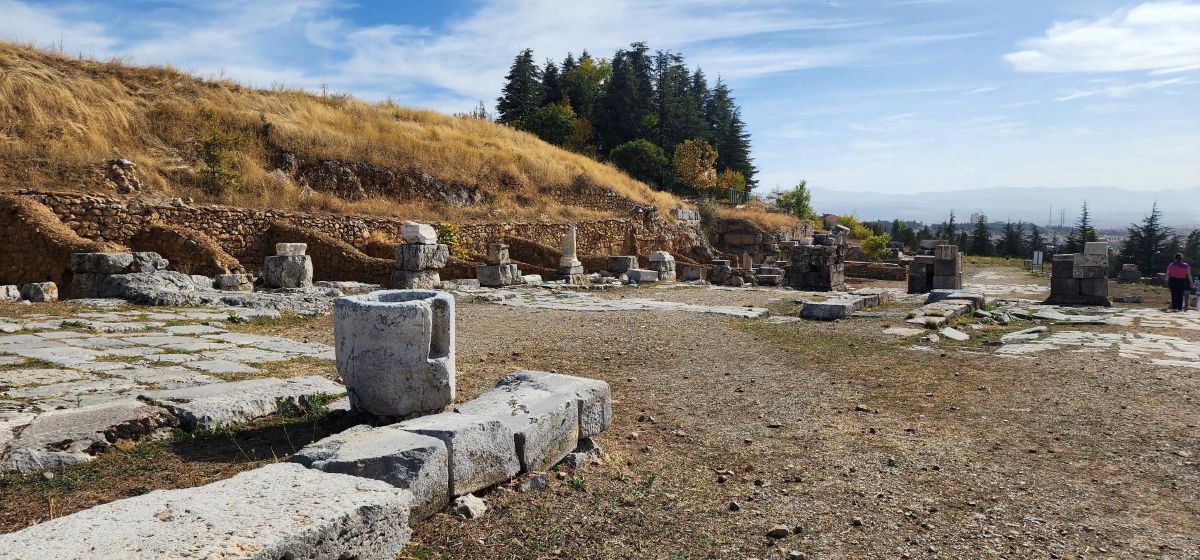
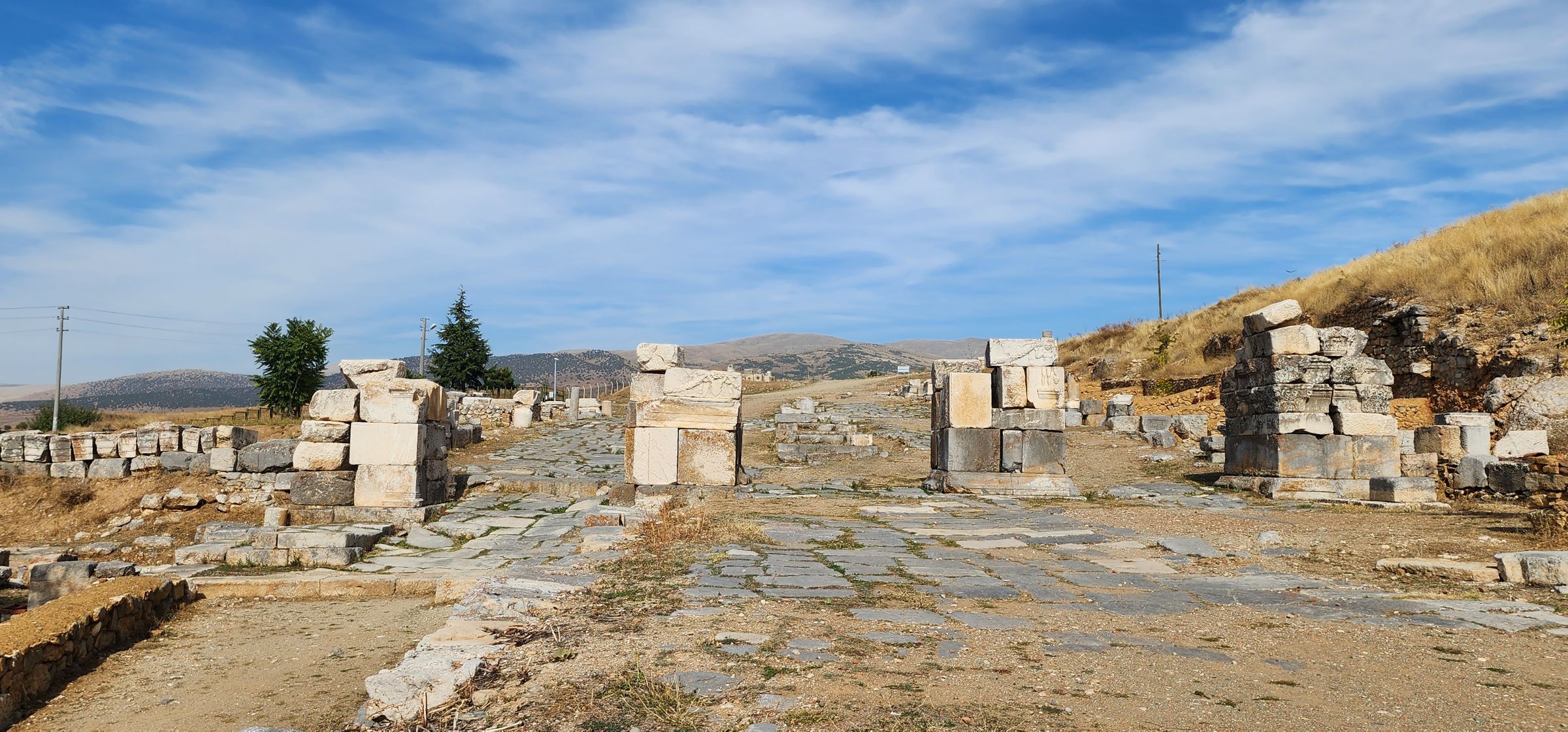
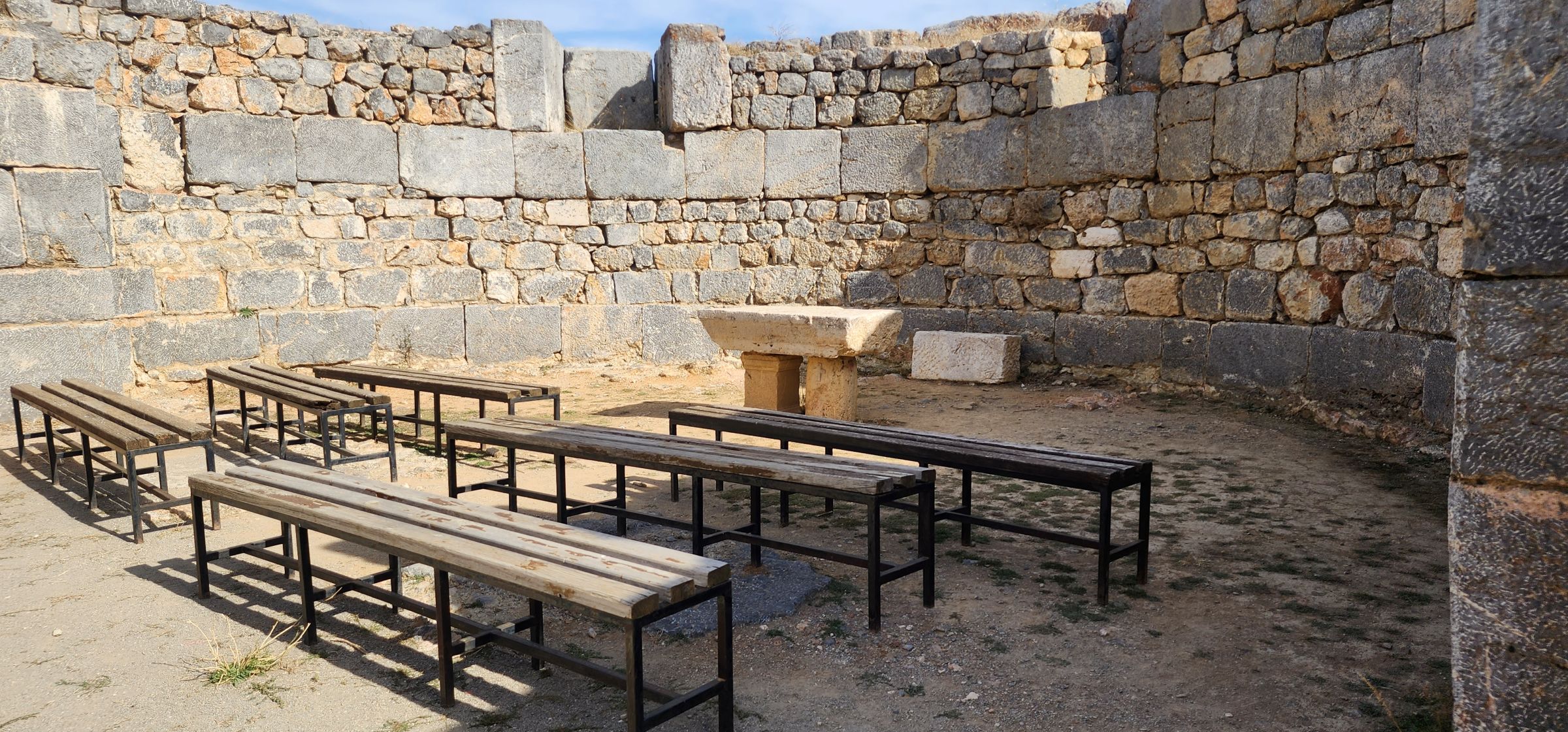
Walking the ruins today is like stepping directly into the Book of Acts. The most significant site is the Great Basilica, also known as the Church of St. Paul, built in the late 4th century and believed to stand over the synagogue where Paul gave his historic sermon. Broken marble columns still line the ancient streets, echoing the grandeur of the Roman colony. Nearby, stone aqueducts stretch across the landscape, reminders of the engineering achievements that once sustained the city. Standing among these ruins creates a powerful connection between Scripture and history — it is more than an archaeological site; it is a place where one of the defining moments of early Christianity unfolded.
Journey With Us to Türkiye
Reading about Pisidian Antioch is inspiring. Standing there is unforgettable. On our upcoming Biblical Tour of Türkiye, you will walk the same streets Paul once travelled and experience the setting where the Gospel was proclaimed to the nations. More than visiting ruins, this journey offers an opportunity to connect deeply with history, faith, and the enduring message of Scripture.
Spaces are limited, keeping our groups intentionally small and personal.
Ready to explore the full itinerary and reserve your place on the journey?
For more information on our destinations, click on the following: Israel | Jordan | Türkiye | Greece
Stay In The Know


© All rights reserved copyright 2026 | Licence Number: TA01376 | Cookies Policy | Privacy Policy | Terms Of Use
Rising from the valleys of central Türkiye, Cappadocia’s fairy chimneys stand like a stone forest, their tall, cone-shaped forms creating a landscape that feels almost otherworldly.
Cappadocia is more than valleys and churches — even the chimneys themselves tell a story where nature, history, and faith meet.
From Ash to Stone
Millions of years ago, volcanic eruptions blanketed the land in ash that hardened into soft tuff. Wind, rain, and snow slowly carved this rock into the striking pillars and towers we see today — a landscape that looks sculpted by hand.
Nature as Shelter
Because the tuff was easy to carve, people shaped these formations into dwellings, storerooms, chapels, and monastic cells. At Paşabağ (Monks Valley), some fairy chimneys still hold chambers once used by monks for solitude and prayer. Their mushroom-shaped tops make Paşabağ one of Cappadocia’s most memorable sights.
A Land of Faith
Cappadocia holds a special place in Christian story. The apostle Peter addressed believers here (1 Peter 1:1), and generations of Christians carved sanctuaries into this rock. What began as a land shaped by fire became a refuge for worship and communion with God.
Psalm 32:7 captures this spirit: “You are my hiding place; you will protect me from trouble and surround me with songs of deliverance.” Standing among the chimneys, the verse feels alive.
Enduring Beauty
Formed by nature, shaped by human hands, and sanctified by faith, Cappadocia’s fair chimneys remind us how unlikely places can become symbols of refuge and devotion. Their beauty endures as testimony to creation and faith intertwined.
Join the Journey
Come and experience Cappadocia’s fairy chimneys for yourself — not just as breathtaking scenery, but as part of a living story of faith and history. Walk through valleys, step into ancient chapels, and let the land speak to your heart. We’d love for you to be part of our upcoming Biblical Türkiye tour and share in this unforgettable journey.
Click here to learn more about our Biblical Türkiye tour (27 Nov - 8 Dec 2026).
For more information on our destinations, click on the following: Israel | Jordan | Türkiye | Greece