
Among the Seven Churches of Revelation, two shine with a rare distinction: Smyrna and Philadelphia. Unlike the others, they received no rebuke — only encouragement. Their stories are about courage, perseverance, and unshakable faith, and even today, their ruins whisper tales that inspire travellers and believers alike.
Smyrna: Faithfulness in the Face of Fire
Imagine walking through a city once called the “Crown of Asia”. Ancient Smyrna (modern-day Izmir) was dazzling — featuring bustling harbours, elegant temples, and thriving marketplaces. Yet for Christians, it was a place of danger.
Refusing to bow to Roman emperors or pagan gods meant rejection, loss of livelihood, and even death. Still, the believers stood firm. The most famous among them was Polycarp, the beloved bishop who chose martyrdom rather than deny Christ. His courage became a beacon for generations.
In Revelation 2:8–11, Smyrna’s church is praised as “spiritually rich” despite material poverty. Their strength was forged in suffering, and their legacy still echoes through time.
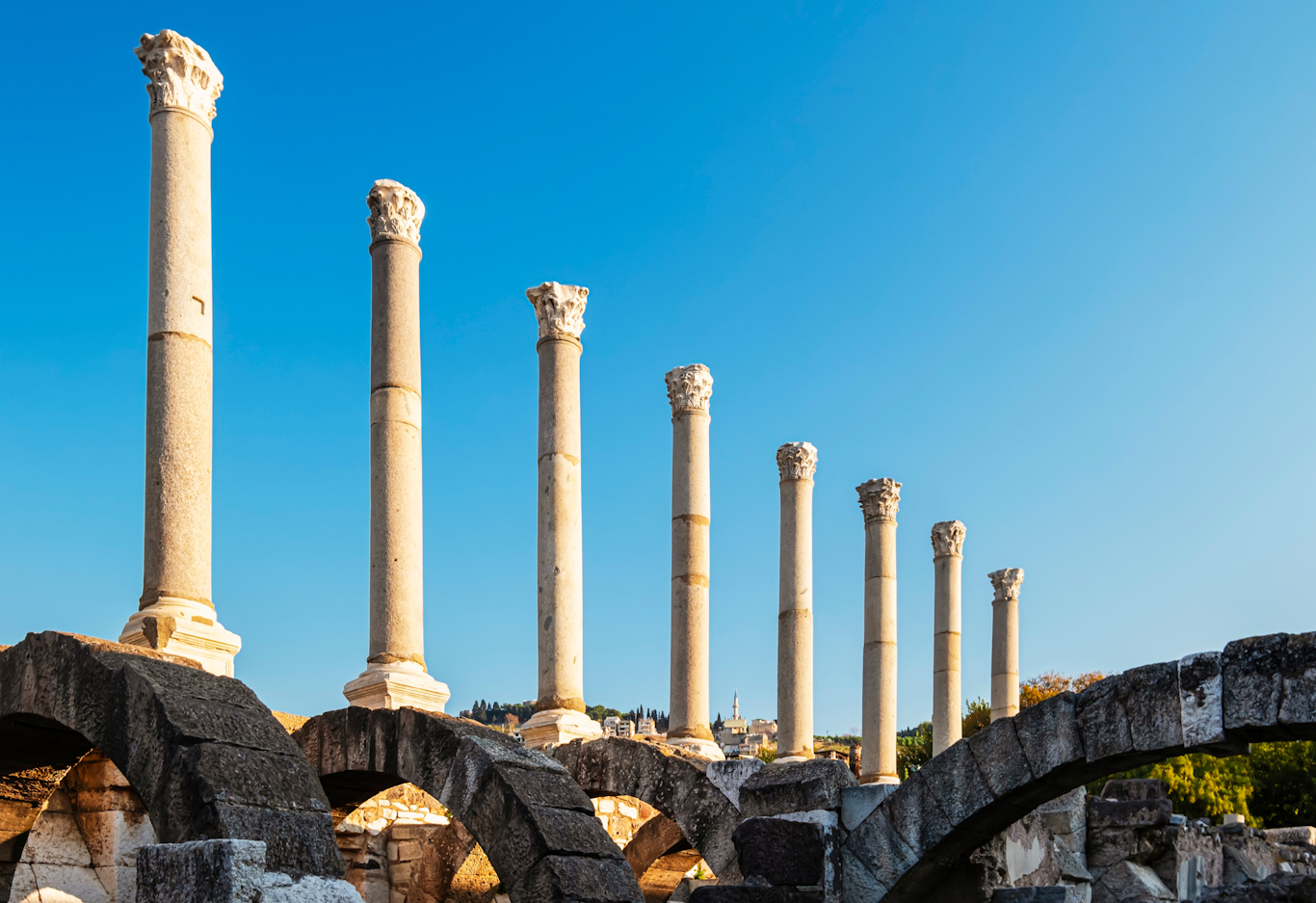
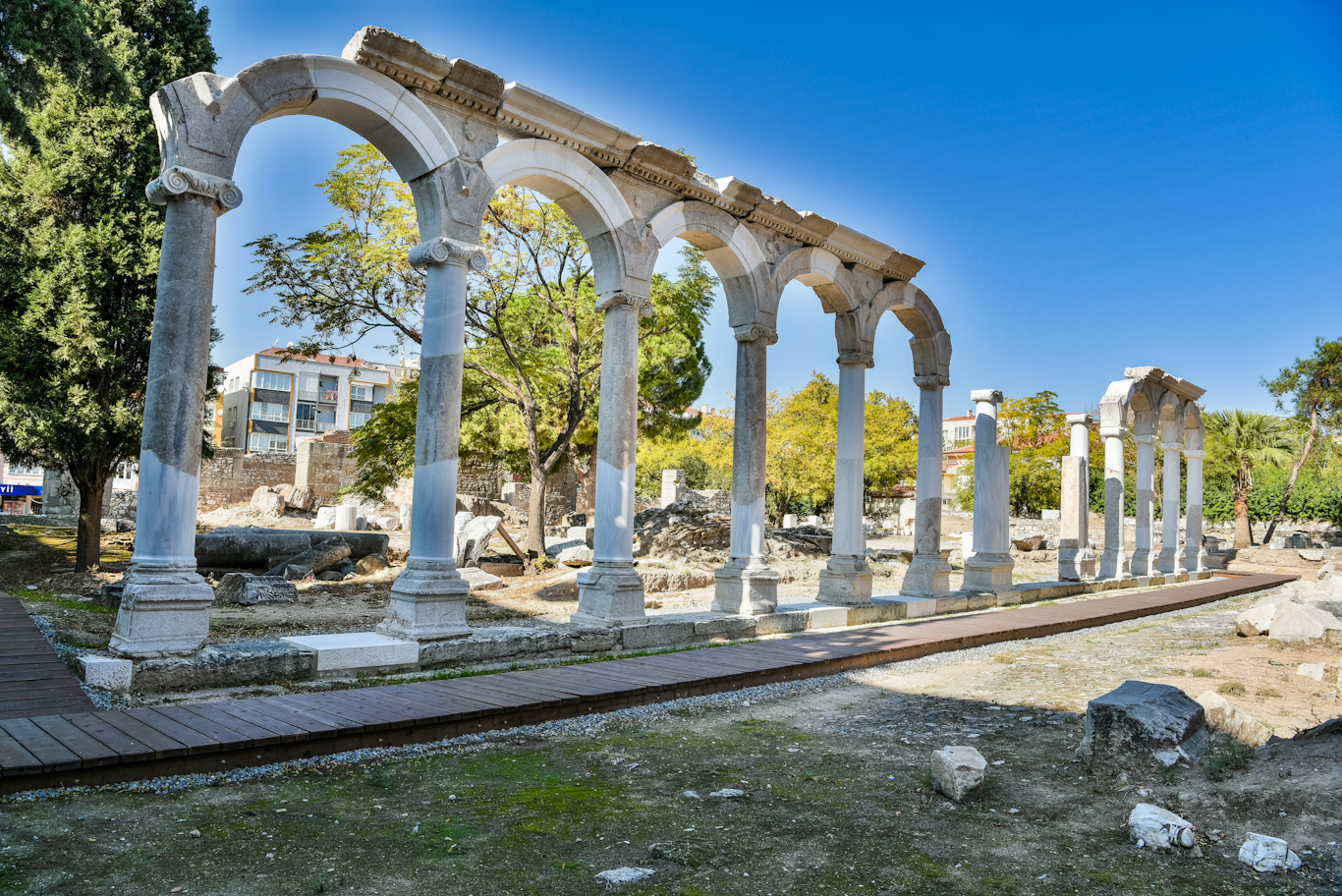
Today, visitors can explore the Smyrna Agora, one of the best-preserved Roman marketplaces in the world. Beneath its ruins lie vaulted chambers, ancient graffiti, and water channels that still flow — a living reminder of resilience.
Philadelphia: Strength on Shaking Ground
While Smyrna battled persecution, Philadelphia (modern Alaşehir) lived with constant fear of earthquakes. Known as “Little Athens” for its temples and culture, the city was beautiful but fragile.
In 17 CE, a devastating earthquake destroyed much of Philadelphia. Even after rebuilding, tremors continued for years. Fear became part of everyday life. Many residents slept outside the city walls, too afraid to trust the buildings around them.
To this trembling city, Revelation 3:7–13 brought a promise: “I will make you a pillar in the temple of my God.” For people surrounded by collapsing structures, the image of becoming an unshakable pillar was deeply meaningful — a symbol of stability, safety, and eternal security.
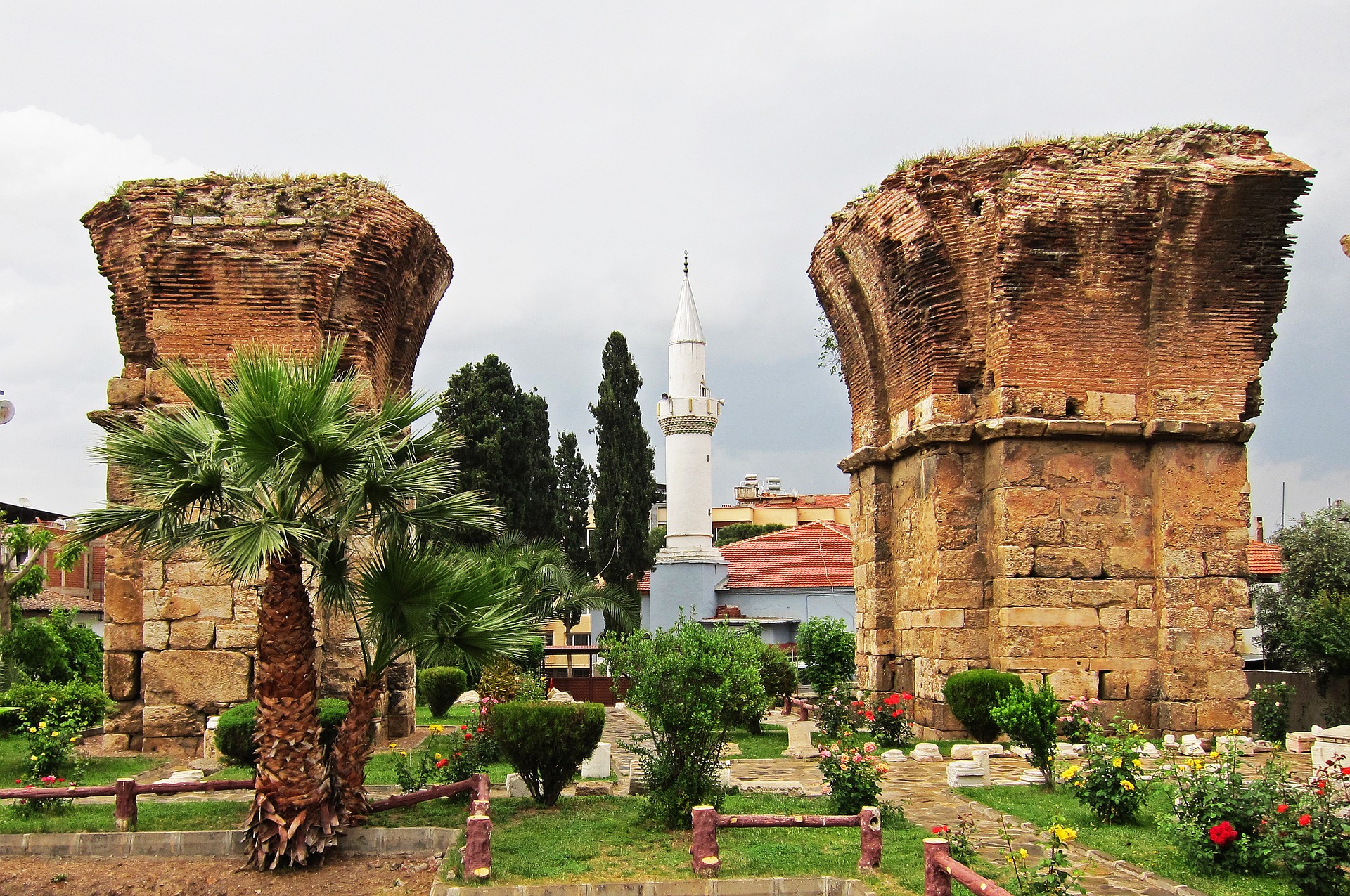
Today, the most striking remains are the towering brick pillars of the Basilica of St. John, standing quietly among modern homes. They are a reminder of faith that endures even when the ground itself shakes.
A Legacy That Still Speaks
Smyrna and Philadelphia faced different battles — one against persecution, the other against fear. Even so, neither one wavered. Their ruins may be quiet now, but their testimony is loud: true faith can endure anything.
Visiting these sites isn’t just about history; it’s about walking where courage once stood, touching stones that witnessed unshakable devotion, and feeling the weight of promises that still inspire.
If you’re ever in Türkiye, don’t miss the chance to explore these living stories. They are more than ruins — they are reminders of what it means to stand strong when the world shakes.
Click here to learn more about our upcoming tours.
For more information on our destinations, click on the following: Israel | Jordan | Türkiye | Greece
Some moments in history ripple outward. Others change the world forever.
In Acts 13, Paul and Barnabas arrived in the bustling Roman colony of Pisidian Antioch. Crowds gathered week after week to hear their message about Jesus. Hope spread quickly, but so did opposition. When local leaders resisted, Paul spoke words that marked a turning point in Christian history:
“We had to speak the word of God to you first. Since you reject it and do not consider yourselves worthy of eternal life, we now turn to the Gentiles. For this is what the Lord has commanded us: ‘I have made you a light for the Gentiles, that you may bring salvation to the ends of the earth.’” — Acts 13:46-47
From that moment, the Gospel was declared for all nations — open to every background, every story, every person who believes. Acts 13:49 tells us that "the word of the Lord spread through the whole region." What began in this mountain city echoed across the world.
Why Pisidian Antioch Mattered
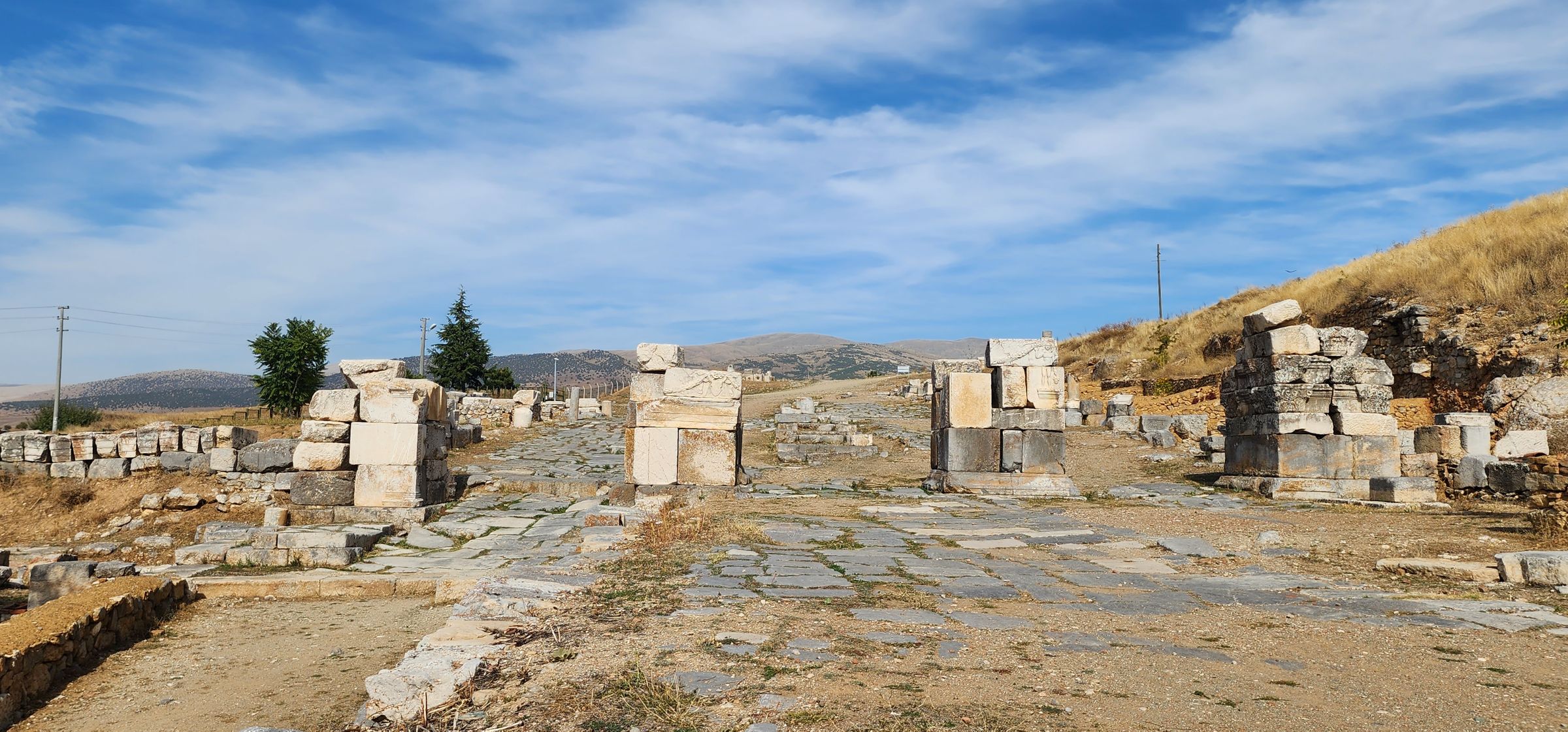
Pisidian Antioch was no quiet village. It was a wealthy Roman colony built on a strategic plateau, filled with retired soldiers, temples, theatres, and paved streets. A fortress of Roman influence, it was a place where cultures collided and ideas spread. Paul and Barnabas entered the synagogue first, as was their custom, and preached to the Jewish community. Their message immediately drew interest from both Jews and Gentiles. By the following Sabbath, nearly the entire city had gathered to listen. In this setting, the Gospel leapt beyond boundaries, becoming a message for the nations.
A City Lost to Time
Like many great cities of antiquity, Pisidian Antioch eventually declined. Earthquakes, disease, and invasions weakened it in the 6th century. Later Arab raids further reduced its population, and by the arrival of the Seljuk Turks in the 11thcentury, the once-glorious colony had largely been abandoned. Many residents relocated to the nearby town of Yalvaç, leaving the ancient city buried beneath centuries of silence.
Visiting Pisidian Antioch Today
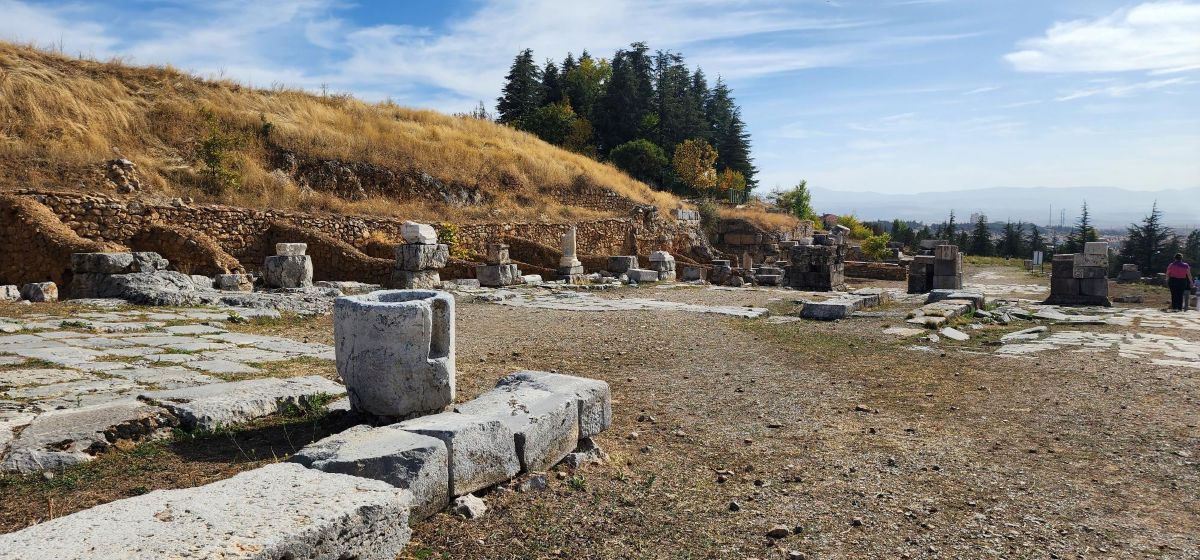
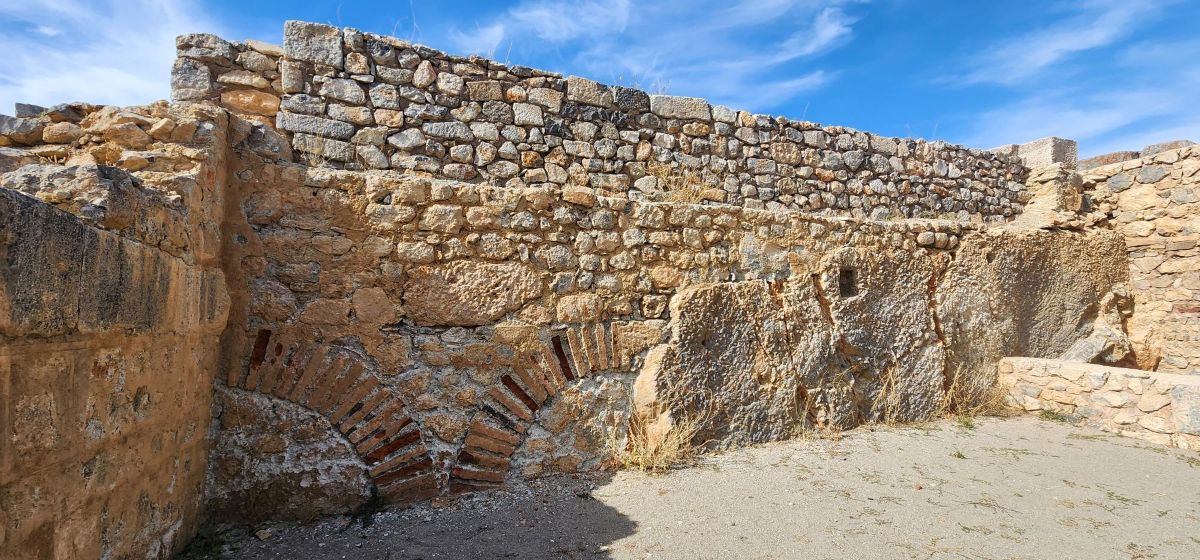
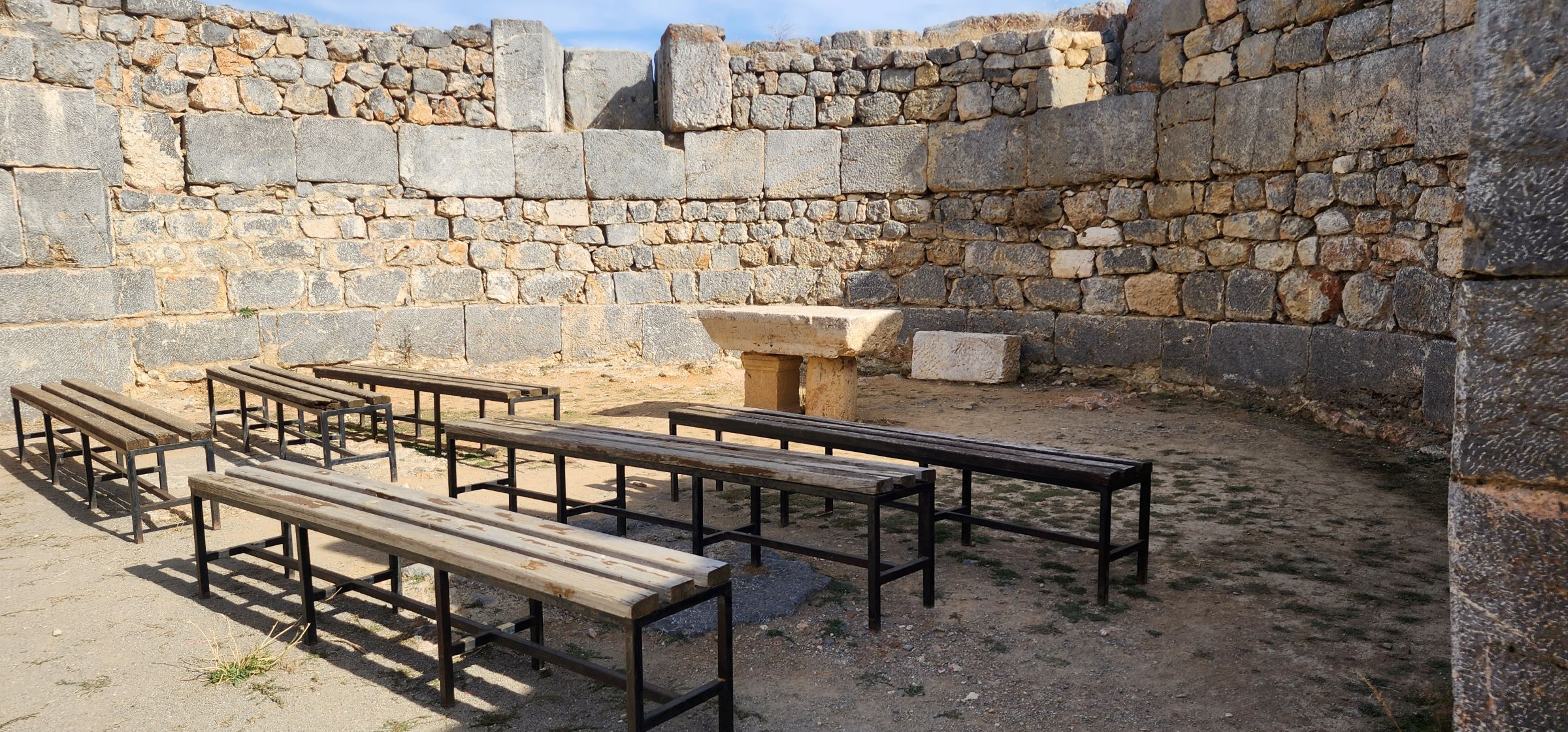
Walking the ruins today is like stepping directly into the Book of Acts. The most significant site is the Great Basilica, also known as the Church of St. Paul, built in the late 4th century and believed to stand over the synagogue where Paul gave his historic sermon. Broken marble columns still line the ancient streets, echoing the grandeur of the Roman colony. Nearby, stone aqueducts stretch across the landscape, reminders of the engineering achievements that once sustained the city. Standing among these ruins creates a powerful connection between Scripture and history — it is more than an archaeological site; it is a place where one of the defining moments of early Christianity unfolded.
Journey With Us to Türkiye
Reading about Pisidian Antioch is inspiring. Standing there is unforgettable. On our upcoming Biblical Tour of Türkiye, you will walk the same streets Paul once travelled and experience the setting where the Gospel was proclaimed to the nations. More than visiting ruins, this journey offers an opportunity to connect deeply with history, faith, and the enduring message of Scripture.
Spaces are limited, keeping our groups intentionally small and personal.
Ready to explore the full itinerary and reserve your place on the journey?
For more information on our destinations, click on the following: Israel | Jordan | Türkiye | Greece
Step into the vibrant energy of Istanbul’s Hippodrome, the legendary heart of ancient Constantinople! Once filled with the thunder of roaring chariot races and cheering crowds, this historic square is now a stunning open-air museum.
But beyond the towering obelisks and the ancient Serpentine Column lies another unforgettable experience — the irresistible flavours of Istanbul's street food. As you wander between centuries-old monuments, history and modern-day Turkish flavours blend beautifully.
Here is how to take your first "history bites" and taste your way through the past:

History Bite #1: Közde Mısır (Smoky Roasted Corn)
Follow the irresistible scent of közde mısır sizzling over glowing charcoal grills! Golden, lightly charred, and served piping hot, this classic street snack is smoky, sweet, and full of flavour. Each bite offers warm, buttery comfort — a simple yet unforgettable taste of Istanbul's lively street culture.
History Bite #2: Simit (The Iconic Sesame Ring)
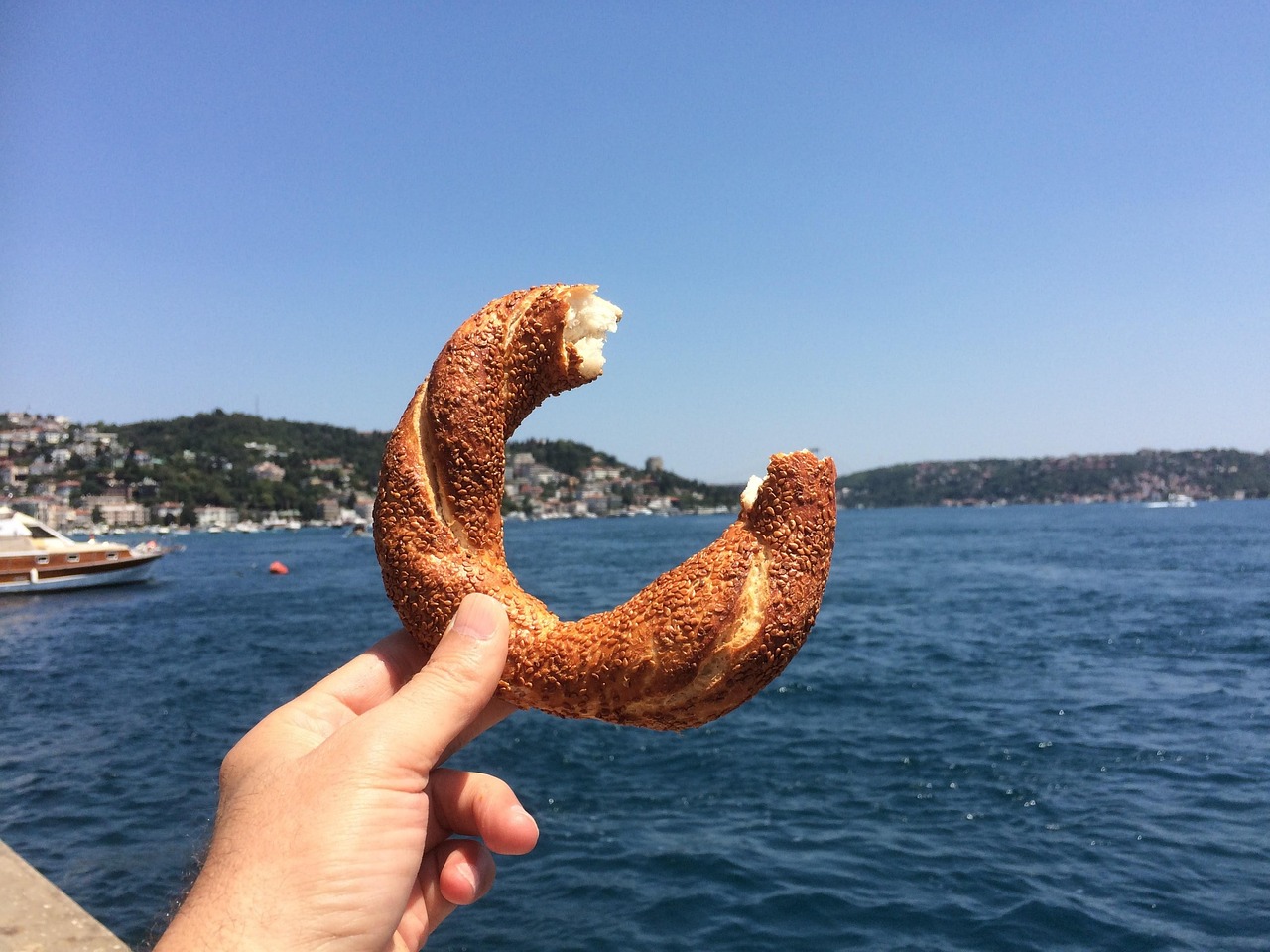
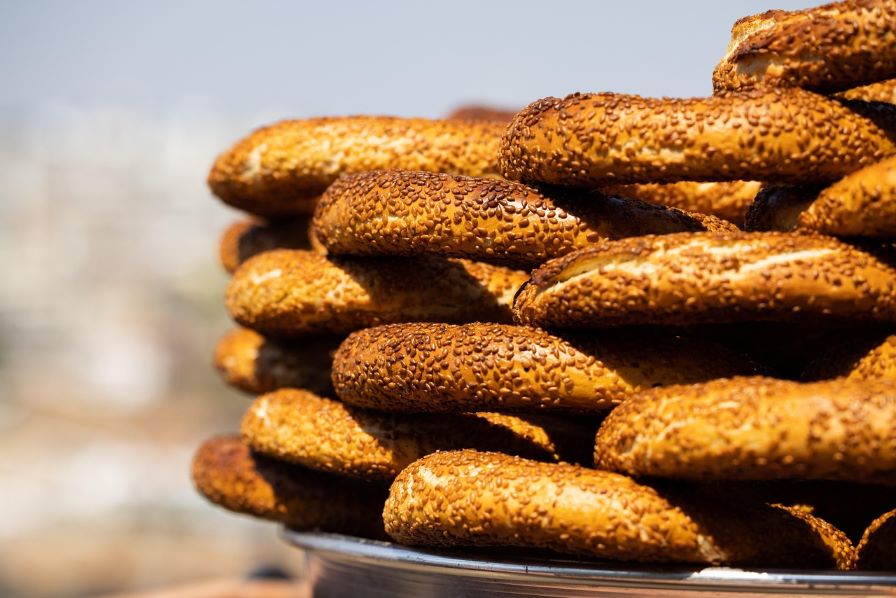
Nearby, stacks of golden sesame-crusted simit beckon from iconic red-and-gold street carts. Tear into one fresh from the oven to discover its crisp exterior and soft, pillowy centre. Fragrant and deeply comforting, this beloved circular bread sustained locals walking through this very square for generations.
History Bite #3: Bold and Timeless Brews
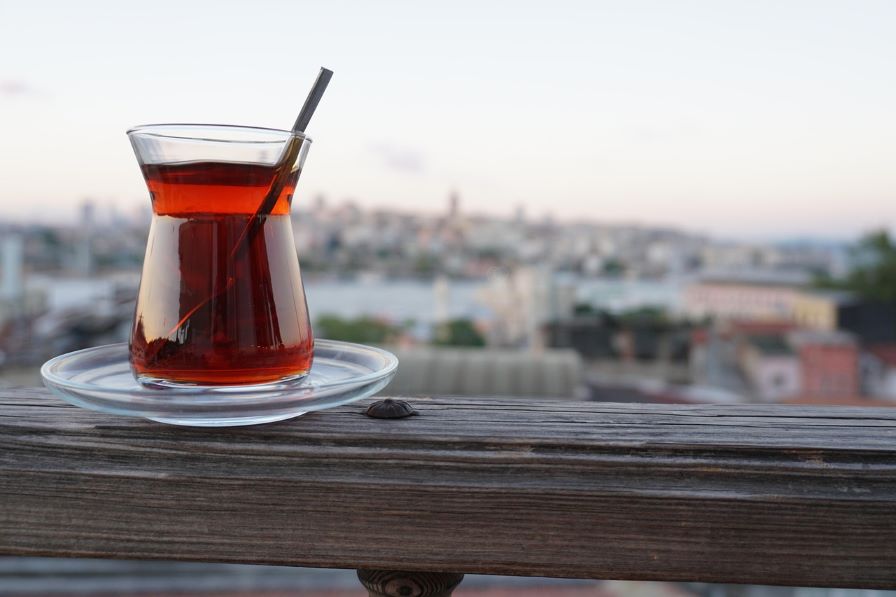
No visit is complete without the liquid classics. Sip on thick, aromatic Turkish coffee, slow-brewed to awaken your senses, or enjoy a deep amber Turkish tea (çay) served in a traditional tulip-shaped glass. Rich in tradition, these timeless drinks are woven into the very fabric of Turkish hospitality.
At the Hippodrome, history isn't just seen — it's savoured. From smoky roasted corn to rich, bold brews, every bite becomes a delicious journey through centuries of culture. What classic Turkish street food would you try first?
For those looking to turn these stories into real-life memories, spaces are open for our Biblical Türkiye 2026 Tour (27 November - 8 December 2026). Send us an email enquiry to get a copy of the itinerary and see how we're bringing history to life.
For more information on our destinations, click on the following: Israel | Jordan | Türkiye | Greece

In modern-day Türkiye lie three remarkable UNESCO World Heritage Sites: Ephesus, Pergamum, and Sardis. Once thriving centres of Roman culture and commerce, these ancient cities were home to early Christian communities addressed in the Book of Revelation. Today, their ruins reveal timeless lessons of renewal, faithfulness, and spiritual awakening that still speak powerfully to us.
Ephesus: Rediscovering Your First Love
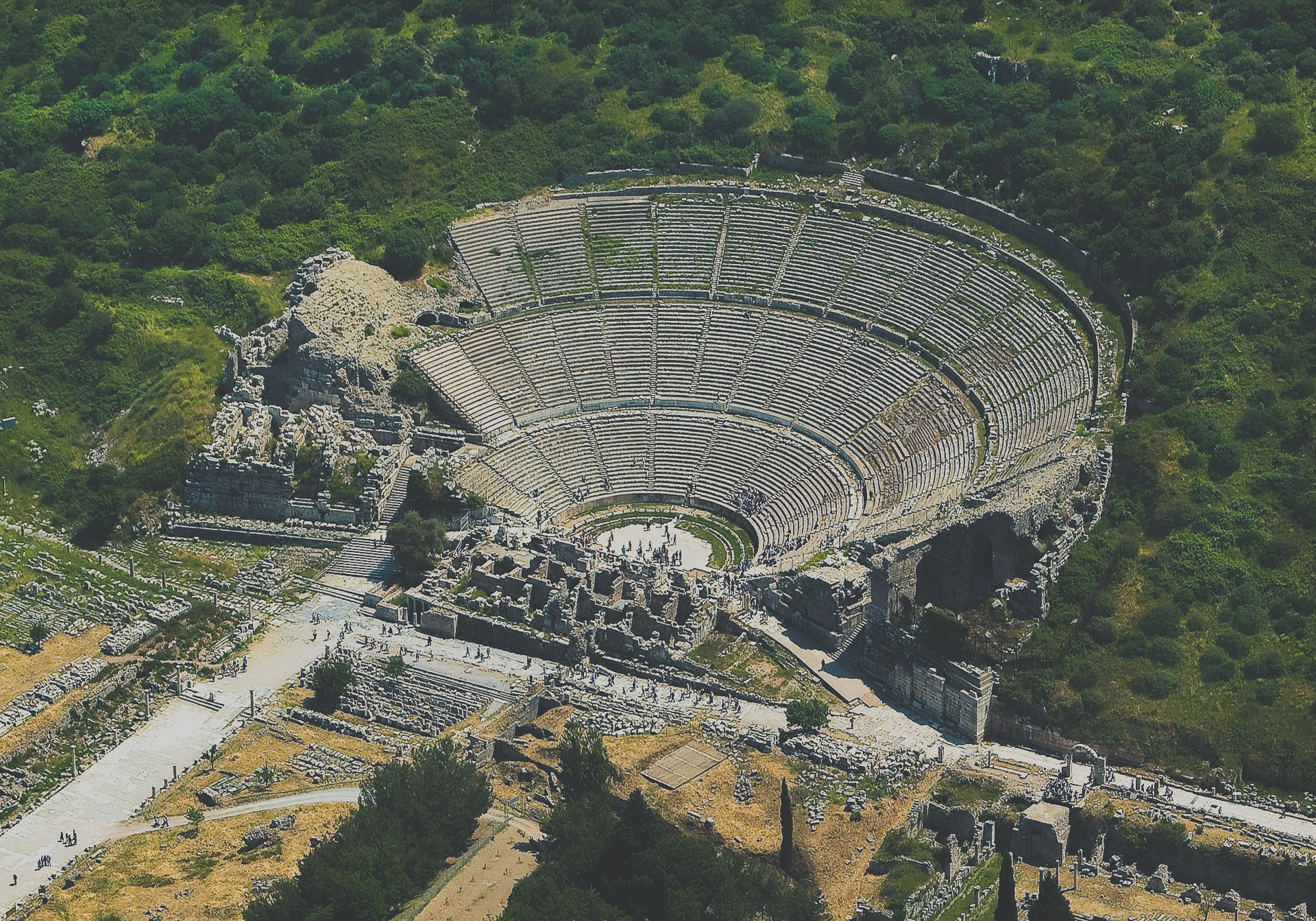
Ephesus was one of the great cities of the Roman world, known for its busy harbour, marble-paved streets, and the magnificent Library of Celsus. It was also home to one of the most influential churches of the early Christian era.
In Revelation 2, Christ commended the believers in Ephesus for their perseverance, discernment, and commitment to truth. Yet amid their faithful labour, something vital had faded: their “first love” (Revelation 2:4). Their service remained active, but their devotion had grown cold.
The message from Ephesus reminds us that faith is more than duty or routine. It is about maintaining a living relationship with God. Christ’s call was not condemnation but restoration — to remember, repent, and return.
Walking through Ephesus today, surrounded by towering columns and ancient theatres, visitors are reminded that spiritual passion must continually be renewed.

Pergamum: Standing Firm Without Compromise
Perched high above the surrounding plains, Pergamum was an intellectual and cultural centre with a library said to contain over 200,000 volumes. Yet it was also a centre of emperor worship and pagan religion, dominated by the imposing Great Altar of Zeus.
In Revelation 2:13, Pergamum is described as the place “where Satan’s throne is,” reflecting the intense spiritual pressure faced by believers there. Despite persecution, many remained courageous and faithful.
Yet Christ also warned against compromise — the subtle danger of allowing worldly influences to weaken convictions. What could not be destroyed through outward pressure was slowly eroded from within.
Pergamum reminds us that faithfulness requires both courage and discernment. In a changing world, believers are called to remain anchored in truth while living faithfully amidst competing values and pressures.
Sardis: Awakening Beyond Reputation
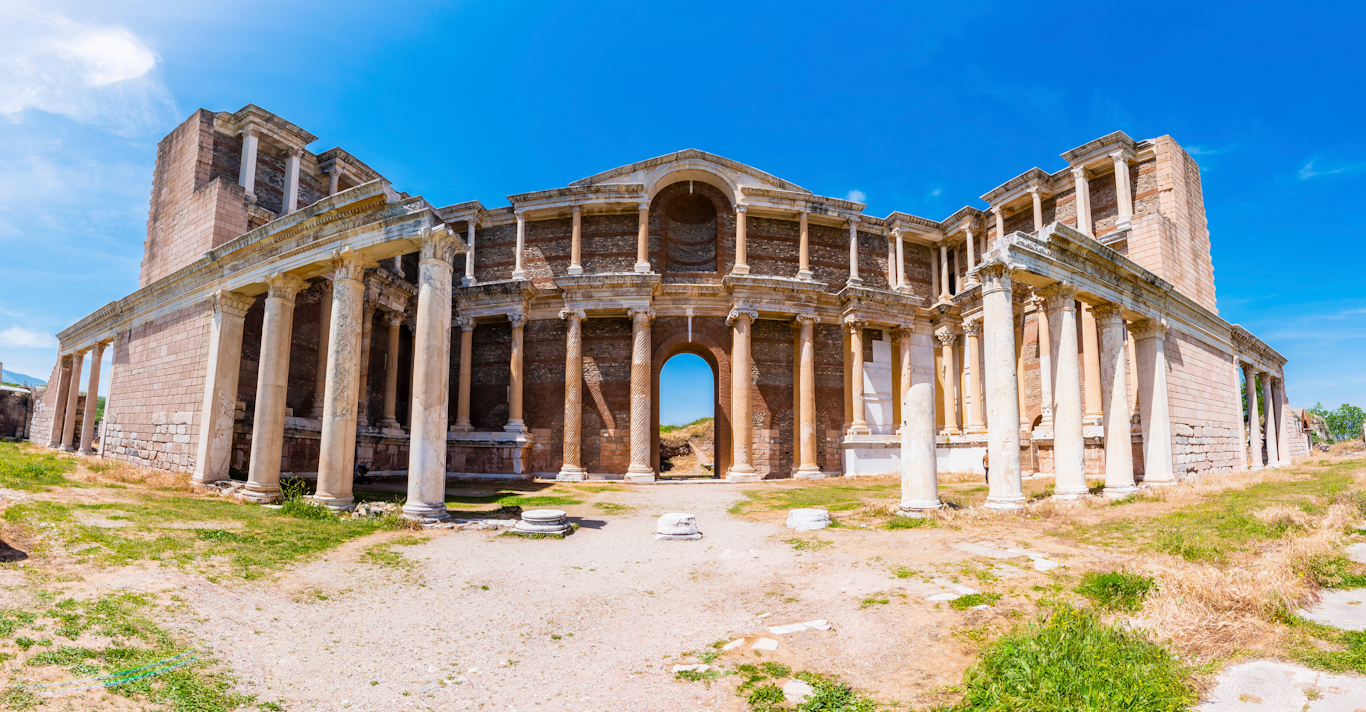
Once the wealthy capital of the ancient kingdom of Lydia, Sardis was famed for its riches and innovation. It became known as the first city to mint gold and silver coins, and its prosperity made it one of the great cities of the ancient world. Yet beneath its success lay complacency.
In Revelation 3:1, Christ delivers a sobering message: “You have a reputation of being alive, but you are dead.” Outwardly, the church appeared vibrant, but spiritually it had fallen asleep.
The message to Sardis is a call to awaken. Spiritual vitality cannot rest on reputation, history, or outward appearance. Genuine faith must remain watchful, and alive.
As visitors walk through Sardis today — past its gymnasium, synagogue, and marble avenues — the city stands as a reminder that outward success is never a substitute for inward renewal.
Experience the Journey for Yourself
These ancient cities are more than archaeological sites. They are places where history, Scripture, culture, and faith intersect. Walking the same roads travelled by early believers and reading the words of Revelation in the places they were first received brings the biblical world vividly to life.
Join us as we explore the spiritual and historical treasures of Türkiye and discover the enduring lessons of the churches of Revelation.
.jpg)
Tour Details
- Dates: 27 November - 8 December 2026
- Places of Interests: Seven Churches of Revelation, Istanbul, Troy, Antioch of Pisidia, and Cappadocia
Experience the landscapes, ruins, and stories that continue to inspire believers from around the world.
Discover the full itinerary and reserve your place on this unforgettable journey today.
For more information on our destinations, click on the following: Israel | Jordan | Türkiye | Greece
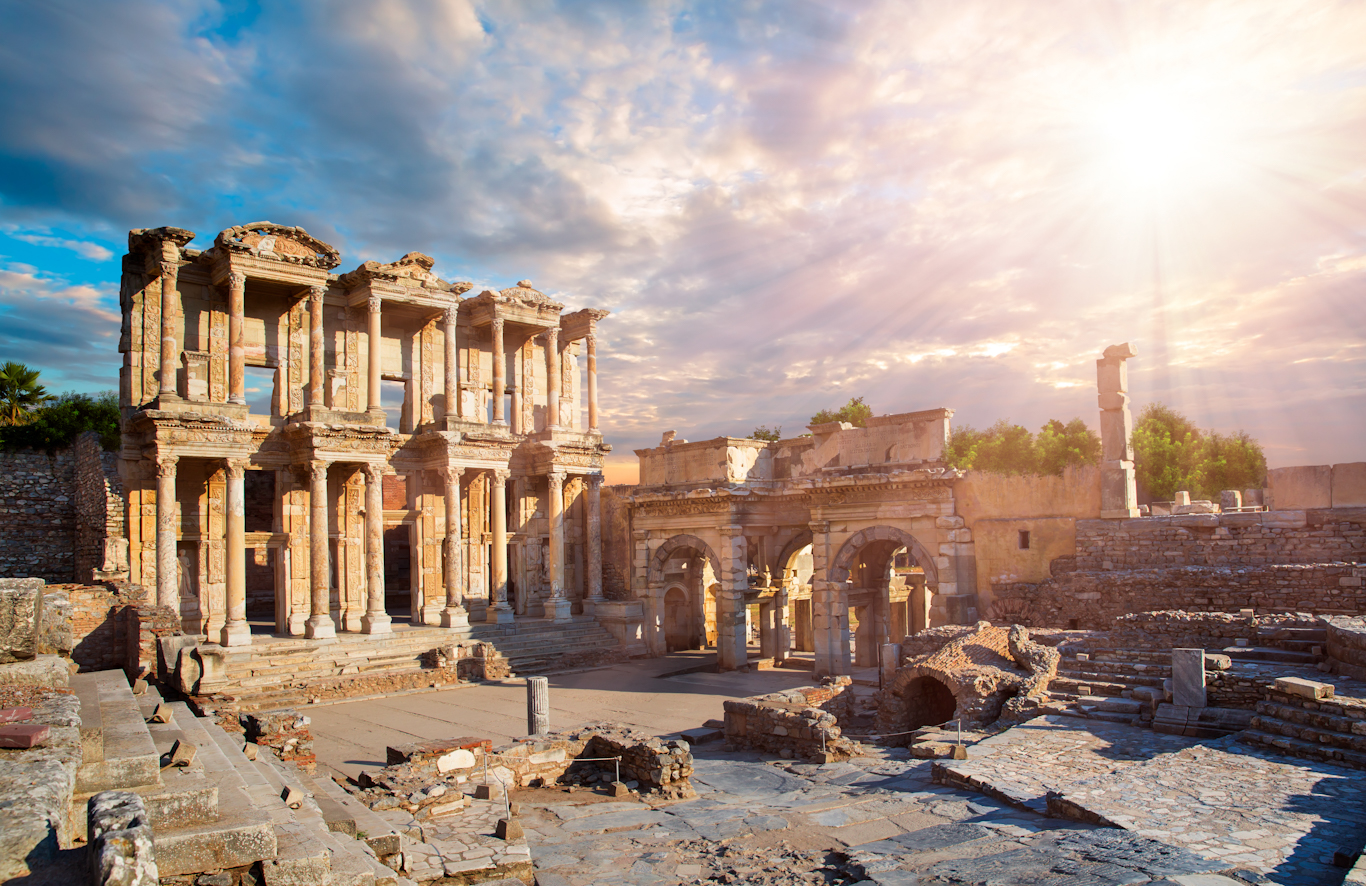
Ready to see the Bible in full colour? This winter, from 27 November to 8 December 2026, we’re heading out on an incredible 12-day, 9-night journey that blends deep spiritual discovery with the sheer joy of travel. Our Biblical Turkiye Tour: Seven Churches of Revelation with Troy and Cappadocia is designed for anyone who wants to dive into the history of the New Testament while enjoying the vibrant culture and stunning sights of Türkiye.
From the Grandeur of Istanbul to the Legends of Troy
Our adventure kicks off in Istanbul, a dazzling city that literally straddles two continents—Europe and Asia. It’s a place where golden sunset views over the Bosphorus meet breathtaking Byzantine history, like the iconic Hagia Sophia.
From there, we head to Troy, a place famous for the legendary wooden horse and epic ancient battles. It’s a fascinating site where you can stand among layers of ruins that date back thousands of years, making the ancient world feel very real.

The Seven Churches of Revelation: History in 3D
The heart of our trip is exploring the Seven Churches of Revelation. We move beyond the written word to explore the actual ruins of:
· Ephesus, Smyrna, and Pergamum
· Thyatira, Sardis, Philadelphia, and Laodicea
Throughout the tour, we’ll keep our hearts centred with daily devotions led by our accompanying spiritual leader. Whether we’re sharing a moment of reflection on the bus during a scenic drive or gathering at a quiet spot during our day, these devotions help connect the ancient messages of Revelation to our lives today.
A Magical Finale in the Valleys of Cappadocia
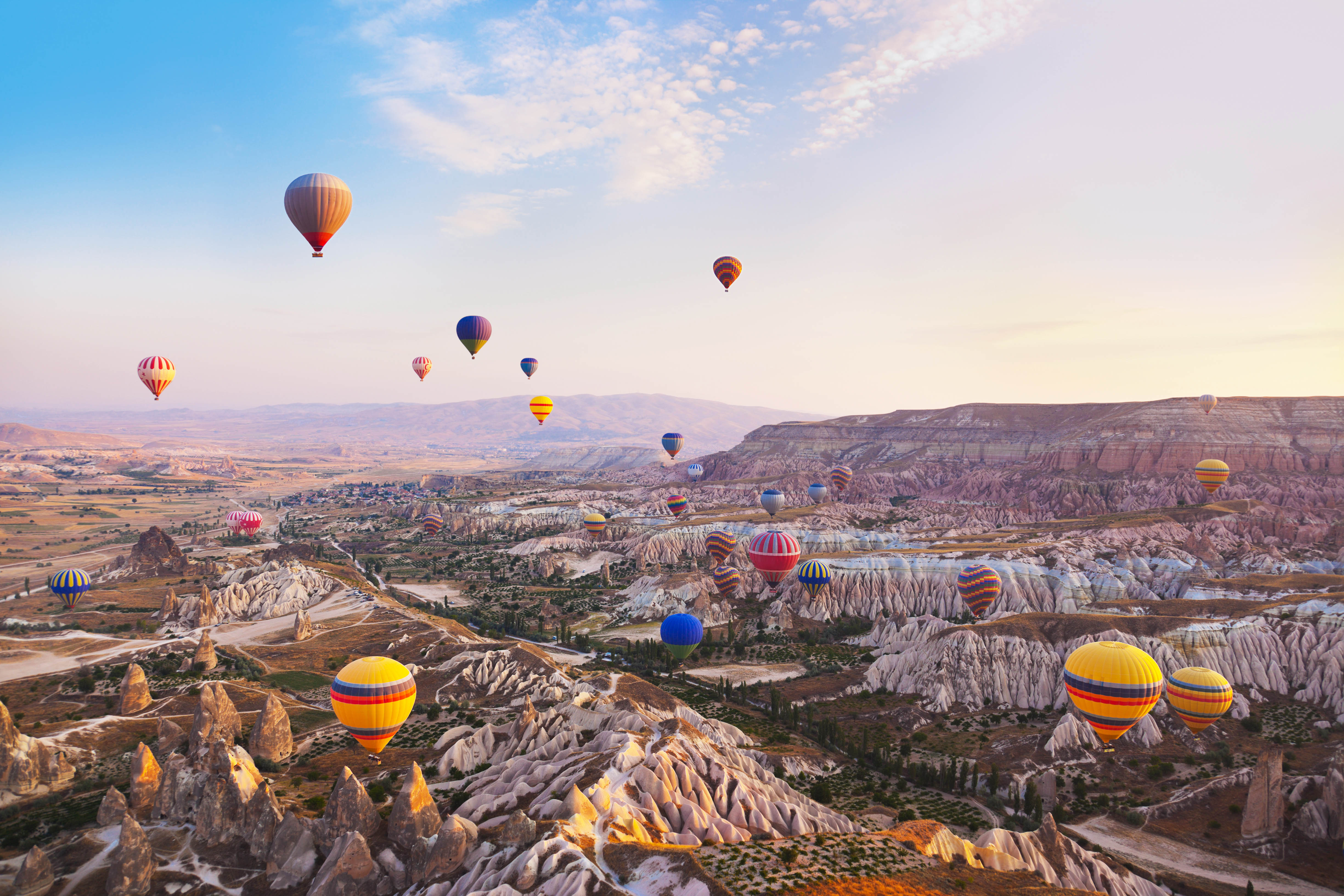
We save one of the most "Instagrammable" spots for last: Cappadocia. This region looks like something out of a fairy tale, with its unique "fairy chimney" rock formations and vast underground cities. It was once a haven for early Christians, and exploring their hand-carved rock churches is an experience you’ll never forget. It’s the perfect place to reflect on our journey together before we head home.
Why You’ll Love This 2026 Journey
We believe a pilgrimage should be as comfortable and fun as it is meaningful! Here’s why this trip stands out:
· Friendly Local Experts: You’ll be joined by friendly local guides who are great storytellers, bringing history alive with energy and wit.
· Heart & Soul Moments: More than just sightseeing, our daily faith connections offer a chance to grow together in a relaxed, friendly environment.
· Rest & Relax: We’ve hand-picked quality, cozy hotels so you can kick back and recharge in comfort after a day of exploring and laughter.
Join the Adventure!
Whether you’re a history buff, a spiritual seeker, or just looking for an amazing travel experience, this tour has something for everyone. We can’t wait to share this unforgettable 12-day experience with you.
Click here for the Full Itinerary and to grab your spot!
Email us at info@omegatours.com.sg to learn more.
We look forward to exploring Türkiye's spiritual treasures with you!
.jpg)
For more information on our destinations, click on the following: Israel | Jordan | Türkiye | Greece

Standing at the Garden Tomb, everything feels calm.
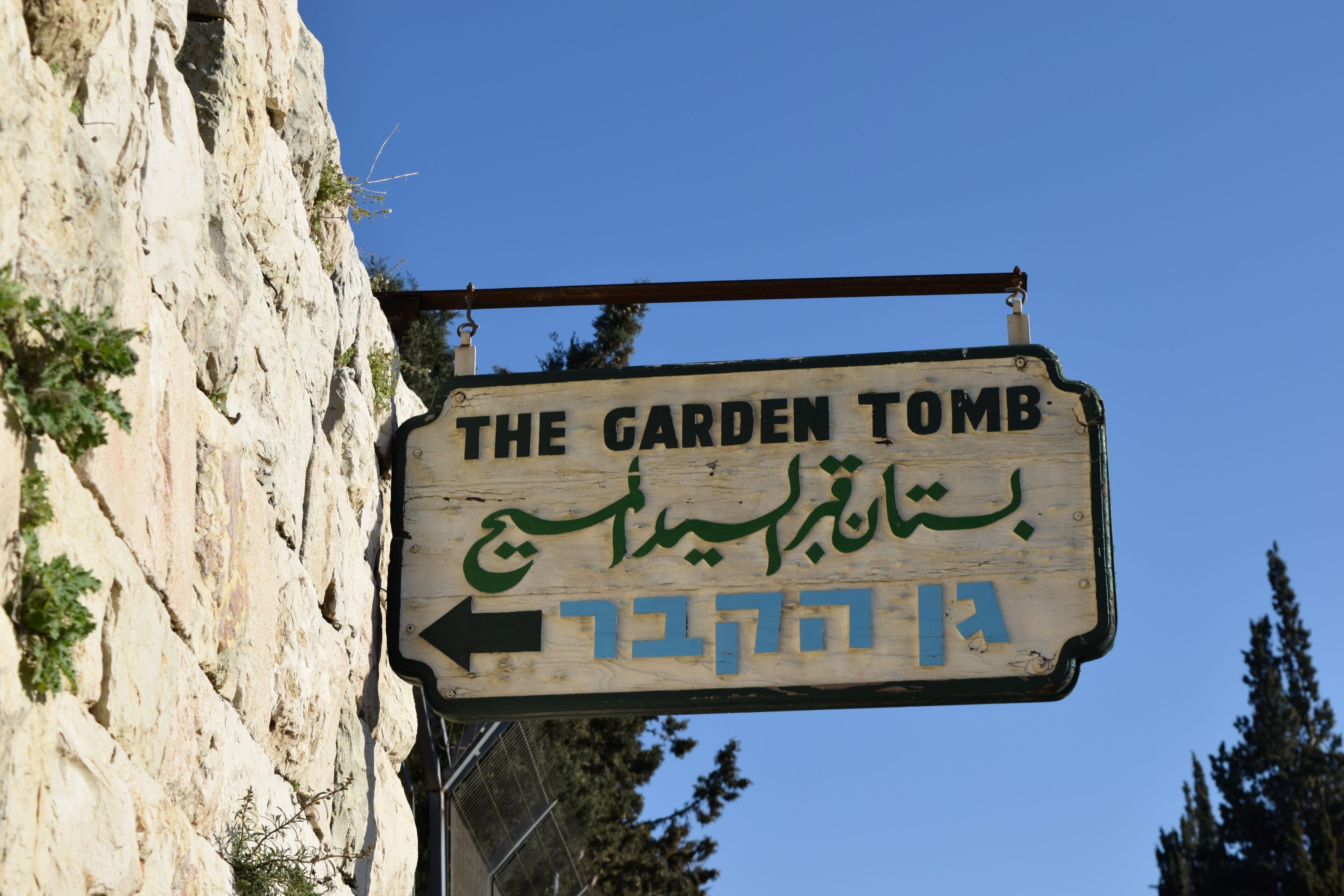
No noise. No rush. Just a quiet garden—and an empty tomb.
It doesn’t feel like a place of sadness. It feels like a place of promise.
A stone rolled away. A tomb left open. And a truth that still speaks today: Jesus is alive.
“He is not here; for He is risen.” — Matthew 28:6
These words are simple, yet they carry the weight of eternity.

On Resurrection Sunday, we remember more than a moment in history. We remember a victory that still changes lives today.
Because of the resurrection, hope is never lost.
Even when life feels uncertain…
Even when prayers feel unanswered…
Even when things seem finished…
God is still at work.
The Garden Tomb reminds us of something powerful: what looks like an ending to us can be a new beginning with Him.
Death did not win. Fear did not win. Darkness did not win.
Jesus did.

And because He lives, we are not stuck by despair or fear.
We can move forward with peace.
We can trust again.
We can hope again.
The message of the empty tomb is still the same today: God keeps His promises.
And the story is not over.
So, wherever you are today, remember this—your situation is not the final chapter.
Because the tomb is still empty…
hope is still alive.
May this Resurrection Sunday fill your heart with renewed faith, deep peace, and unshakable hope.
For more information on our destinations, click on the following: Israel | Jordan | Turkey | Greece

There are cities you visit—and then there are cities you feel. Thessaloniki belongs firmly in the latter.
Here, history isn’t tucked away in museums. It lingers in the streets, echoes through ancient stones, and quietly weaves itself into everyday life. Every corner holds a story. You just have to slow down enough to notice.
1. A Princess’s Legacy
Named after Princess Thessalonike, daughter of King Philip II and half-sister of Alexander the Great, the city’s name means “Victory of the Thessalians.” Yet her life ended in tragedy—killed by her own son. A city born of triumph, shadowed by heartbreak.
2. Paul Walked These Streets
Around 50 CE, a traveller named Paul arrived here during his second missionary journey (Acts 17), carrying a message that would ripple far beyond the city walls. The community he built grew strong enough to receive two of his letters—1 and 2 Thessalonians—encouraging a young but resilient faith.
As you walk these streets today, it’s not hard to imagine those early moments—conversations unfolding in crowded marketplaces, ideas taking root, history quietly being made. This is one of the places where Christianity first found its footing in Europe.

3. The White Tower’s Hidden Story
By the waterfront stands Thessaloniki’s most recognisable landmark—the White Tower. It looks serene now, almost peaceful against the sea. But it hasn’t always been that way.
Once a notorious prison, it held darker stories within its walls. Legend tells of a prisoner who earned his freedom by painting it white, transforming it from a place of fear into one of hope. Today, it stands as a quiet reminder that even the past can be reshaped.
4. A City of Many Souls
For centuries, Thessaloniki was known as the “Jerusalem of the Balkans.” Its Jewish community—many descended from those expelled from Spain in the 15th century—helped shape the city’s culture, commerce, and daily rhythm.
Though much was lost during World War II, traces of this rich heritage remain. It’s part of what gives Thessaloniki its depth—a city not defined by a single story, but by many.

5. Rebuilt, Reimagined, Resilient
In 1917, a devastating fire destroyed much of the historic centre. Instead of simply rebuilding, Thessaloniki reinvented itself with wide boulevards, neoclassical architecture, and a bold new urban plan.
What you see today isn’t just rebuilt—it’s reimagined. A living blend of resilience, history, and modern life.
So, why Thessaloniki?
Because it doesn’t reveal itself all at once.
It’s in the quiet corners, the layers of history, the moments where past and present blur together.
Walk slowly, and you’ll begin to notice it—the feeling that this city has stories still unfolding.
And somehow, you’ve become part of one of them.
For more information on our destinations, click on the following: Israel | Jordan | Turkey | Greece

Greece is a food lover’s dream. Beyond its stunning islands and ancient ruins, Greek cuisine bursts with fresh flavours that’ll leave you craving more. Here are five dishes you must try while in Greece.
1. Moussaka: Comfort in Every Bite
Imagine sinking your fork into a warm, creamy moussaka—a layered casserole of eggplant (or potatoes), spiced ground meat, all blanketed with a velvety béchamel sauce and baked to golden perfection. It’s hearty, satisfying, and a true Greek classic.
A Taste of History: While the dish has Ottoman roots, the Greek version we know today was perfected in the 1920s, blending Eastern and Western influences.
Don’t Miss It: For the most authentic moussaka, head to a family-run taverna. Pair it with a fresh Greek salad and a glass of red wine.

2. Souvlaki: The Ultimate Greek Street Food
If you want to taste the soul of Greece, you’ve got to try souvlaki. Imagine juicy, sizzling skewers of pork, chicken, or lamb, grilled to perfection and served piping hot with pita, tzatziki, and roasted veggies. It’s the kind of fast food you’ll crave again and again.
A Taste of History: With roots dating back to ancient Greece, souvlaki has been a beloved dish for centuries.
Don’t Miss It: Grab a “souvlaki me pita” from a local kiosk and enjoy it while strolling through Athens’ lively streets.

3. Spanakopita: A Flaky, Savory Masterpiece
Get ready for a crispy, buttery bite of heaven. Spanakopita is a flaky pastry filled with spinach, feta cheese, and fragrant herbs, all wrapped in crispy phyllo dough. It’s light yet packed with flavour.
A Taste of History: This savoury pie has Byzantine origins and showcases Greece's agricultural roots along with Ottoman influences.
Don’t Miss It: Pop into a local "fourno" (bakery) for a warm slice of spanakopita—perfect for breakfast or as an afternoon treat.

4. Gyro: A Greek Classic to Go
Gyro is a must-try—tender roasted pork or chicken, wrapped in warm pita with tzatziki, tomatoes, onions, and crispy fries. It’s flavourful and filling, perfect when you’re on the go.
A Taste of History: Inspired by the Turkish doner kebab, the gyro became a Greek favourite in the mid-20th century.
Don’t Miss It: Visit a local grill house (“psistaria”) and order a gyro "ap' ola" (with everything) for the full experience.
5. Baklava: Sweet and Sticky Delight
No trip to Greece is complete without baklava—layers of phyllo pastry, crushed nuts, and honey syrup. It’s sweet, crunchy, and irresistible.
A Taste of History: Originating from the Byzantine Empire and perfected during the Ottoman period, Greek baklava is renowned for its use of local honey and fragrant spices like cinnamon.
Don’t Miss It: Treat yourself to a piece from a traditional pastry shop (“zaharoplastio”) and pair it with a strong cup of Greek coffee to finish your meal.

Ready to Savour Greece?
From savoury pies to sweet treats, Greek cuisine is an explosion of flavours that will leave you longing for more. These five dishes are just the start of a culinary adventure that celebrates Greece’s rich traditions and warm hospitality. So, when you visit Greece, come hungry and leave with unforgettable flavours etched in your memory. Kali orexi! (Enjoy your meal!)
Contact us today to plan your journey through the biblical treasures of Greece—tailored just for you!
Got more questions? Check out our travel tips and FAQs.
For more information on our destinations, click on the following: Israel | Jordan | Turkey | Greece

Tucked away in the heart of Greece, Meteora exemplifies the remarkable union of natural splendour and human aspiration. This UNESCO World Heritage site is famed for its dramatic rock formations that rise majestically from the plains, creating a landscape that captivates and inspires.
The towering spires of Meteora, sculpted over centuries by wind and water, form a magnificent backdrop to its meticulously preserved monasteries. Built between the 14th and 16th centuries by monks seeking solitude and spiritual connection, these monasteries are masterpieces of faith and architectural ingenuity.

Among them, the Monastery of Varlaam stands out for its impressive size and provides a compelling insight into monastic life. Founded in the 14th century, it boasts stunning architecture, well-preserved frescoes, and an extensive library. Its relatively accessible route, complete with resting areas, make it an excellent choice for exploring Meteora's spiritual heritage without the need for extensive climbing.


The Monastery of Saint Stephen, also founded in the 14th century, is celebrated for its exquisite frescoes and peaceful ambience. Its relatively flat access path ensures an easy visit, providing a tranquil and enlightening experience.

Beyond the monasteries, Meteora is a haven for nature enthusiasts. Its hiking trails wind through the dramatic landscape, revealing spectacular views of sunrises and sunsets. The fresh mountain air and the quietness of the surroundings provide a perfect escape from the hustle and bustle of modern life.

Whether drawn by history, nature, or spiritual reflection, Meteora offers a memorable experience that transcend the ordinary. It is not merely a destination but a transformative journey that leaves a lasting impression. Discover the splendour of Meteora for yourself. Sign up now and embark on this exceptional adventure to both Turkey and Greece!

For more information on our destinations, click on the following: Israel | Jordan | Turkey | Greece

Wadi Rum, a captivating desert valley in southern Jordan, offers an unforgettable adventure. Often referred to as the “Valley of the Moon,” this UNESCO World Heritage site is renowned for its stunning red sandstone mountains, sweeping sand dunes, and fascinating rock formations.
A Sculptured Desert
Once a seabed, Wadi Rum has been shaped by natural forces over thousands of years, creating a landscape that is both dramatic and beautiful. Today, it’s a peaceful retreat with a rich history, showcasing ancient inscriptions and petroglyphs that whispers tales of a time when this desert was a vital outpost for caravans and nomads.
Desert Adventure Awaits
Begin your visit to Wadi Rum with an exciting 4x4 tour, where you'll comfortably explore the area's most notable landmarks—sand dunes, rock formations, and canyons. Don’t miss the chance to sip Bedouin tea while watching a sunset that paints the desert in shades of gold and pink.

Glamping Under the Stars
Your campsite, nestled against a mountain in a secluded canyon, offers a perfect retreat. Enjoy a delicious traditional dinner and spend the night in a Martian Dome tent, designed for comfort and panoramic views of the desert. These tents offer a unique “Mars on Earth” experience with spacious interiors, air-conditioning, clean bathrooms, and private patios.


Whether you're interested in exploring the landscapes, learning about the area’s history, or simply enjoying the peaceful desert environment, Wadi Rum offers a relaxing escape from the hustle and bustle of daily life.
For more information on our destinations, click on the following: Israel | Jordan | Türkiye | Greece

In 1999, Wakf bulldozers illegally ascended the Temple Mount and surreptitiously removed 9,000 tons of ancient soil, laden with countless invaluable artifacts, without proper archaeological care, and dumped close to 400 truckloads of it all as “garbage” in the Kidron Valley.
Two archaeologists realised that this dumped soil is a potential treasure-trove of archaeological information about the Temple Mount. In 2004, they founded the Temple Mount Sifting Project which has grown into the world’s largest communal antiquities salvage effort, attracting hundreds of thousands of volunteers and tourists from across the globe, and unearthing over half a million valuable finds.

Every bucket of earth that is sifted contains fragments of pottery, glass vessels, metal objects, bones, worked stones and mosaic tesserae stones, spanning from the First Temple period to the present. Every stone has a historical meaning and background. They might have been used in the Temple, in the streets of ancient Jerusalem, the same stones that probably kings and prophets had walked on.
“For her stones are dear to your servants; her very dust moves them to pity.” Psalms 102:14, NIV

The Temple Mount Sifting Project is a splendid way to experience the work of an archaeologist while helping find artifacts that continue to shape the understanding of the history of this ancient and holy place. The opportunity to search through piles of history is surreal. Every bucket is filled with potential and the anticipation of what will be found is exciting for every participant. Each find made is exhilarating, whether small or large. For the geologists and archaeologists, the hard work of cataloguing is just beginning. For the tourists, it is fun, educational, and relaxing – dump each bucket onto a wood-framed screen mounted on plastic stands, rinse off any soil with water from a garden hose, and then pluck out anything of potential importance. A great way to spend an hour or two!


For more information on our destinations, click on the following: Israel | Jordan | Turkey | Greece
Stay In The Know


© All rights reserved copyright 2026 | Licence Number: TA01376 | Privacy Policy | Terms Of Use
Few dishes are as widely enjoyed as the kebab. Sizzling, juicy, and aromatic, its story stretches back thousands of years to the ancient Near East. Nomadic tribes and weary travellers would skewer fresh cuts of meat over open flames, creating quick, hearty meals suited to life on the move. The name itself comes from ancient Arabic, meaning “roasted,” reflecting these humble beginnings.
A Mediterranean Tradition Refined by Time
As trade routes expanded, kebabs spread across cultures, absorbing new flavours and cooking techniques along the way. Local spices, herbs, and marinades shaped the dish into a culinary tradition that continues to thrive today. Türkiye became especially renowned for the art of charcoal grilling. From succulent shish kebabs to the iconic doner kebabs slowly roasted on a vertical spit, these dishes grew into timeless symbols of hospitality, community, and shared meals.
Experience Faith and Flavour in Türkiye
Imagine walking through Türkiye’s striking landscapes, exploring ancient sites connected to biblical history, and pausing to enjoy authentic local cuisine. Our tour brings together history, faith, and flavour, offering opportunities to discover sacred stories while experiencing the country’s rich culinary traditions. Along the way, you’ll have the chance to taste kebabs and other local dishes, offering a deeper appreciation of Türkiye’s culinary heritage.
From historical landmarks to memorable meals, this journey offers a meaningful way to experience the culture, history, and flavours of Türkiye.
Click here to book your place today!
For more information on our destinations, click on the following: Israel | Jordan | Türkiye | Greece