
Pisidian Antioch: Where the Gospel Reached Nations
Some moments in history ripple outward. Others change the world forever.
In Acts 13, Paul and Barnabas arrived in the bustling Roman colony of Pisidian Antioch. Crowds gathered week after week to hear their message about Jesus. Hope spread quickly, but so did opposition. When local leaders resisted, Paul spoke words that marked a turning point in Christian history:
“We had to speak the word of God to you first. Since you reject it and do not consider yourselves worthy of eternal life, we now turn to the Gentiles. For this is what the Lord has commanded us: ‘I have made you a light for the Gentiles, that you may bring salvation to the ends of the earth.’” — Acts 13:46-47
From that moment, the Gospel was declared for all nations — open to every background, every story, every person who believes. Acts 13:49 tells us that "the word of the Lord spread through the whole region." What began in this mountain city echoed across the world.
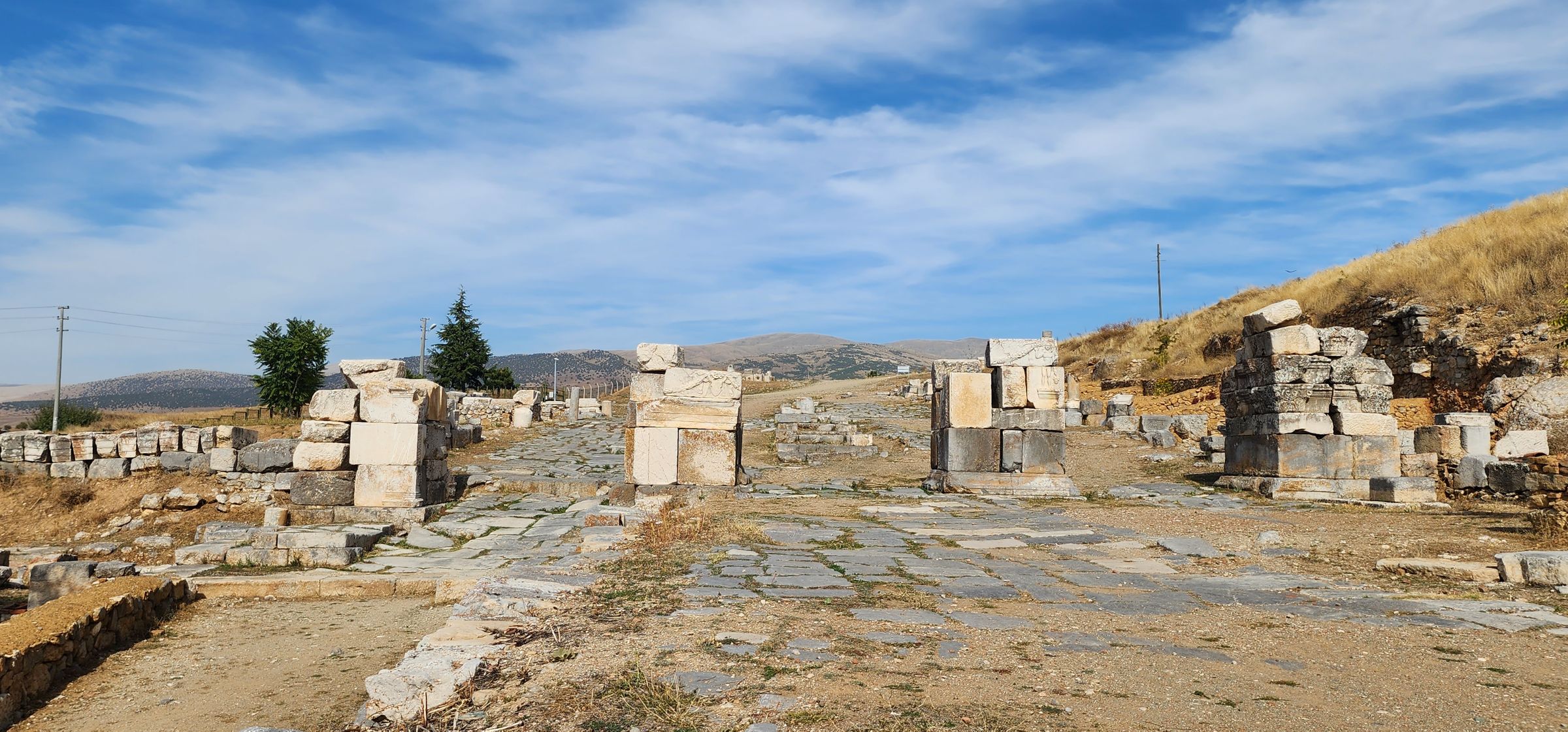
Why Pisidian Antioch Mattered
Pisidian Antioch was no quiet village. It was a wealthy Roman colony built on a strategic plateau, filled with retired soldiers, temples, theatres, and paved streets. A fortress of Roman influence, it was a place where cultures collided and ideas spread. Paul and Barnabas entered the synagogue first, as was their custom, and preached to the Jewish community. Their message immediately drew interest from both Jews and Gentiles. By the following Sabbath, nearly the entire city had gathered to listen. In this setting, the Gospel leapt beyond boundaries, becoming a message for the nations.
A City Lost to Time
Like many great cities of antiquity, Pisidian Antioch eventually declined. Earthquakes, disease, and invasions weakened it in the 6th century. Later Arab raids further reduced its population, and by the arrival of the Seljuk Turks in the 11thcentury, the once-glorious colony had largely been abandoned. Many residents relocated to the nearby town of Yalvaç, leaving the ancient city buried beneath centuries of silence.
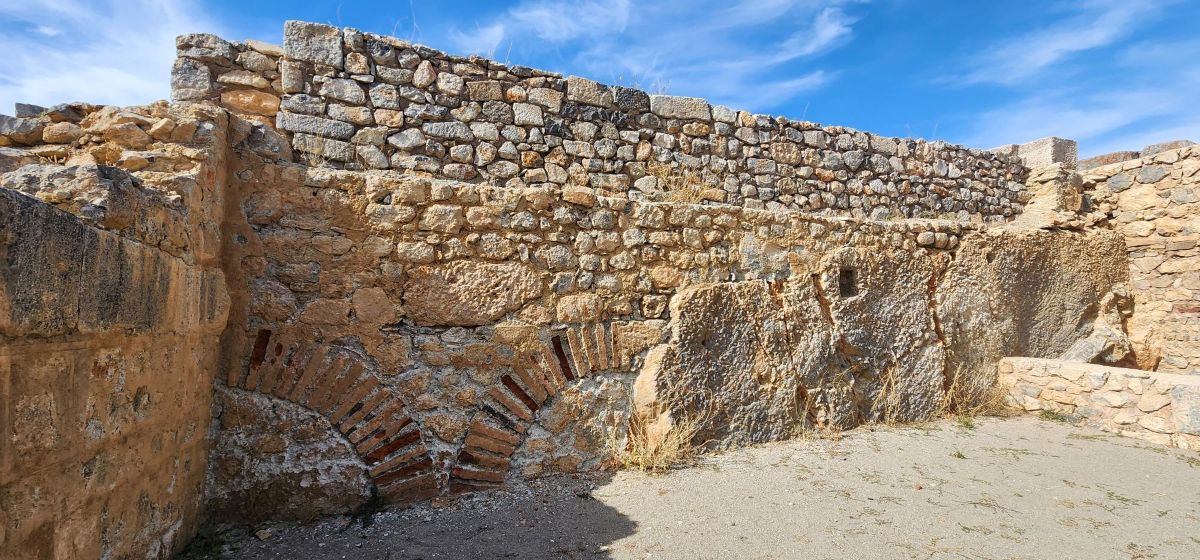
Visiting Pisidian Antioch Today
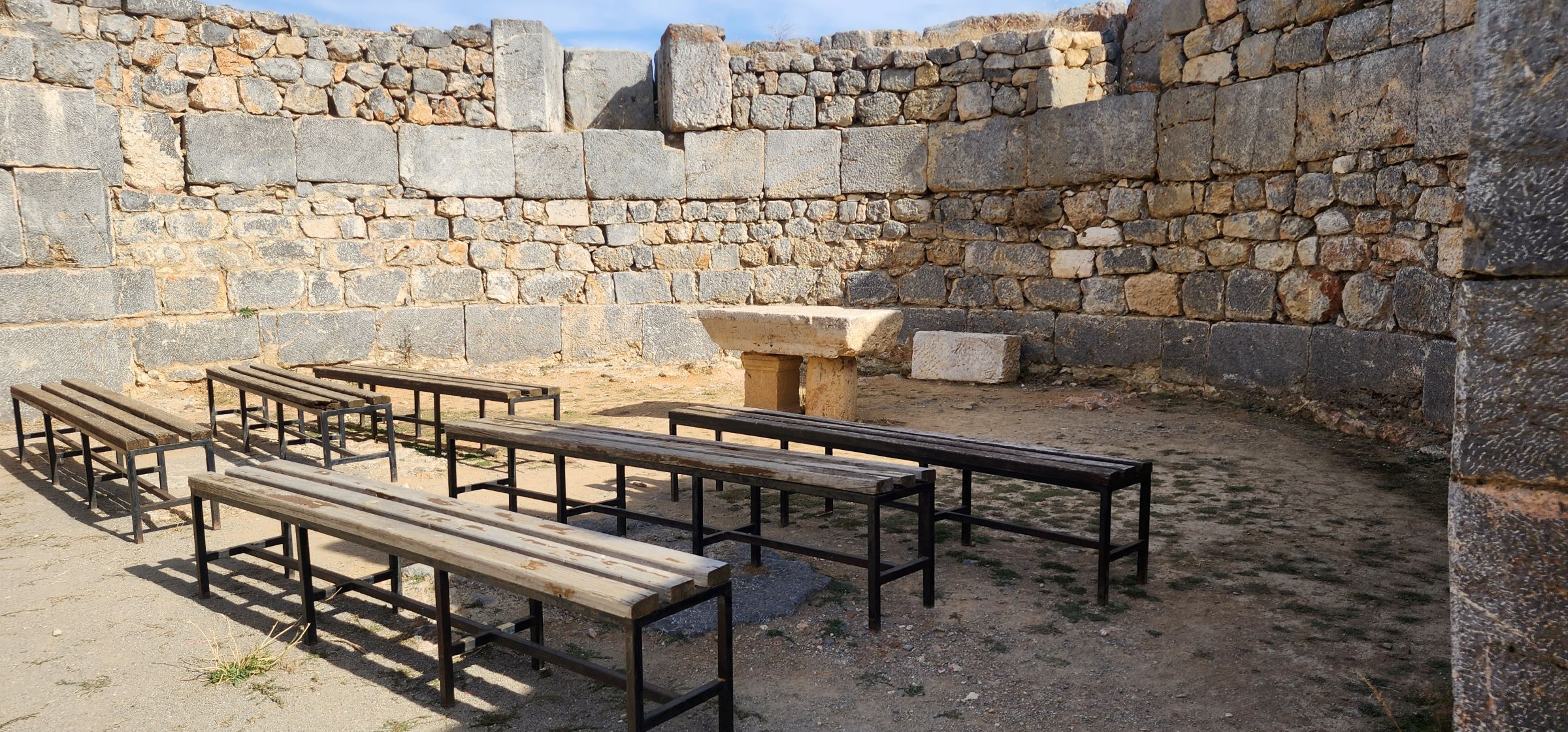
Walking the ruins today is like stepping directly into the Book of Acts. The most significant site is the Great Basilica, also known as the Church of St. Paul, built in the late 4th century and believed to stand over the synagogue where Paul gave his historic sermon. Broken marble columns still line the ancient streets, echoing the grandeur of the Roman colony. Nearby, stone aqueducts stretch across the landscape, reminders of the engineering achievements that once sustained the city. Standing among these ruins creates a powerful connection between Scripture and history — it is more than an archaeological site; it is a place where one of the defining moments of early Christianity unfolded.
Journey With Us to Türkiye
Reading about Pisidian Antioch is inspiring. Standing there is unforgettable. On our upcoming Biblical Tour of Türkiye, you will walk the same streets Paul once travelled and experience the setting where the Gospel was proclaimed to the nations. More than visiting ruins, this journey offers an opportunity to connect deeply with history, faith, and the enduring message of Scripture.
Spaces are limited, keeping our groups intentionally small and personal.
Ready to explore the full itinerary and reserve your place on the journey?
For more information on our destinations, click on the following: Israel | Jordan | Türkiye | Greece


