

In modern-day Türkiye lie three remarkable UNESCO World Heritage Sites: Ephesus, Pergamum, and Sardis. Once thriving centres of Roman culture and commerce, these ancient cities were home to early Christian communities addressed in the Book of Revelation. Today, their ruins reveal timeless lessons of renewal, faithfulness, and spiritual awakening that still speak powerfully to us.
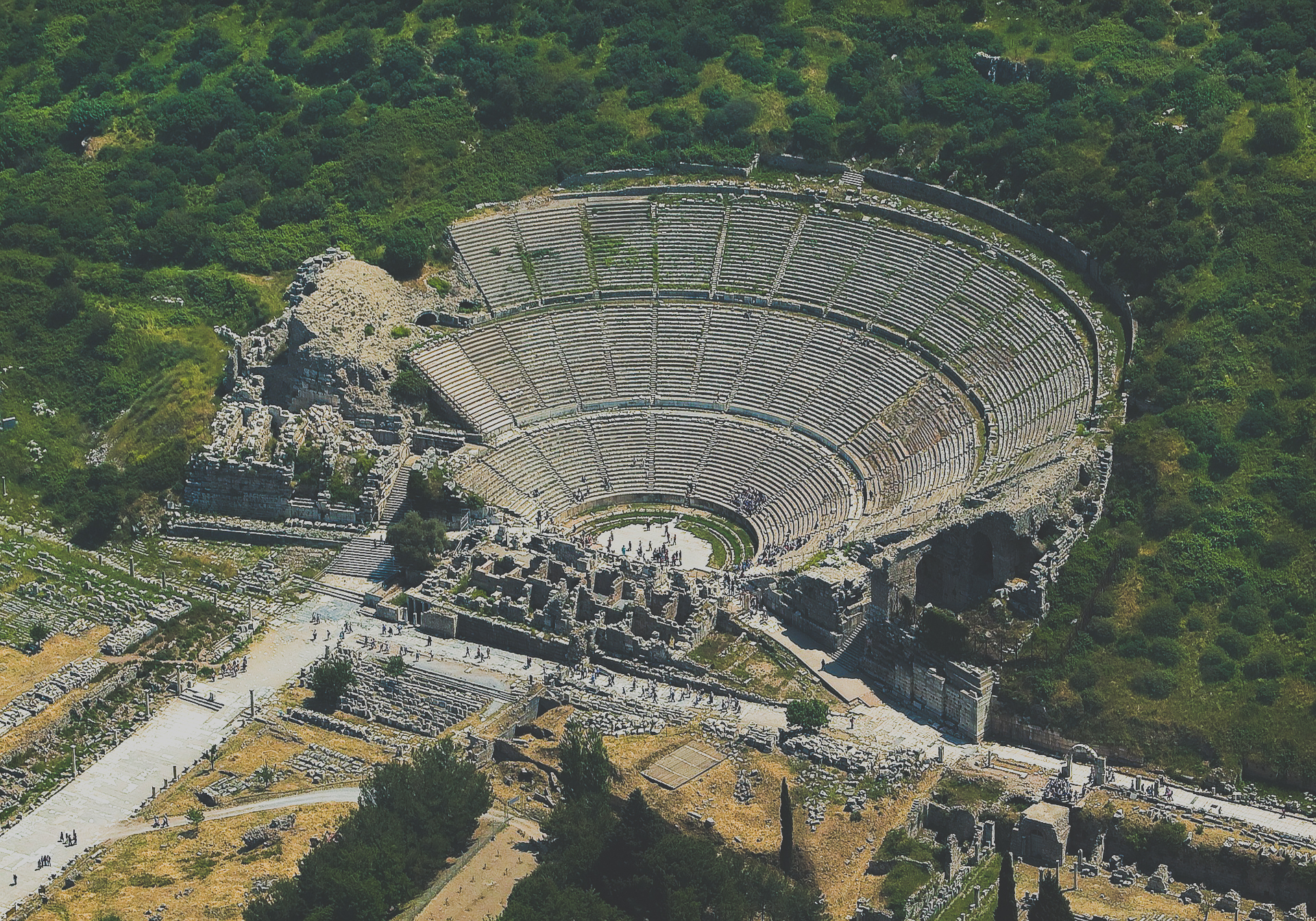
Ephesus: Rediscovering Your First Love
Ephesus was one of the great cities of the Roman world, known for its busy harbour, marble-paved streets, and the magnificent Library of Celsus. It was also home to one of the most influential churches of the early Christian era.
In Revelation 2, Christ commended the believers in Ephesus for their perseverance, discernment, and commitment to truth. Yet amid their faithful labour, something vital had faded: their “first love” (Revelation 2:4). Their service remained active, but their devotion had grown cold.
The message from Ephesus reminds us that faith is more than duty or routine. It is about maintaining a living relationship with God. Christ’s call was not condemnation but restoration — to remember, repent, and return.
Walking through Ephesus today, surrounded by towering columns and ancient theatres, visitors are reminded that spiritual passion must continually be renewed.

Pergamum: Standing Firm Without Compromise
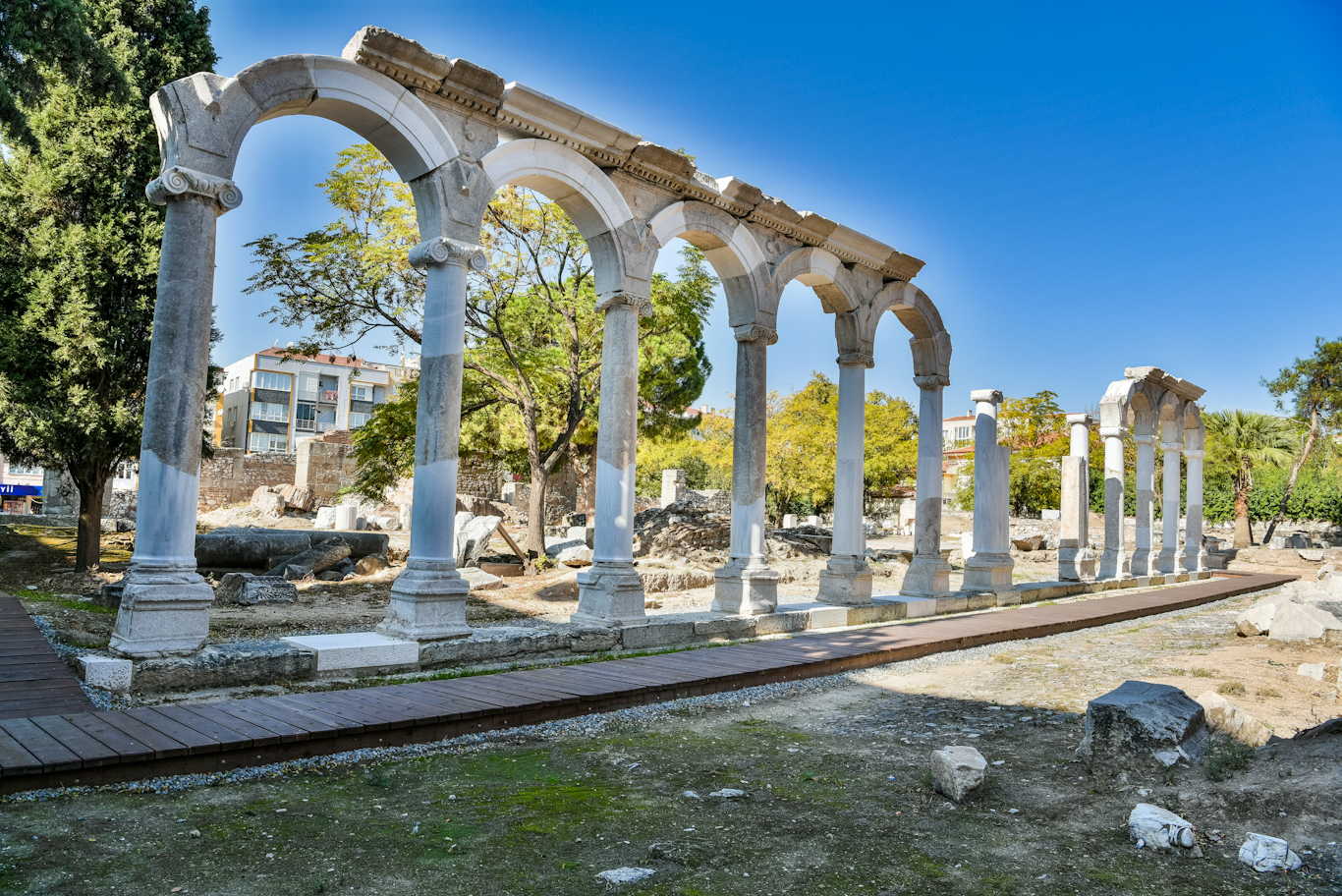
Perched high above the surrounding plains, Pergamum was an intellectual and cultural centre with a library said to contain over 200,000 volumes. Yet it was also a centre of emperor worship and pagan religion, dominated by the imposing Great Altar of Zeus.
In Revelation 2:13, Pergamum is described as the place “where Satan’s throne is,” reflecting the intense spiritual pressure faced by believers there. Despite persecution, many remained courageous and faithful.
Yet Christ also warned against compromise — the subtle danger of allowing worldly influences to weaken convictions. What could not be destroyed through outward pressure was slowly eroded from within.
Pergamum reminds us that faithfulness requires both courage and discernment. In a changing world, believers are called to remain anchored in truth while living faithfully amidst competing values and pressures.
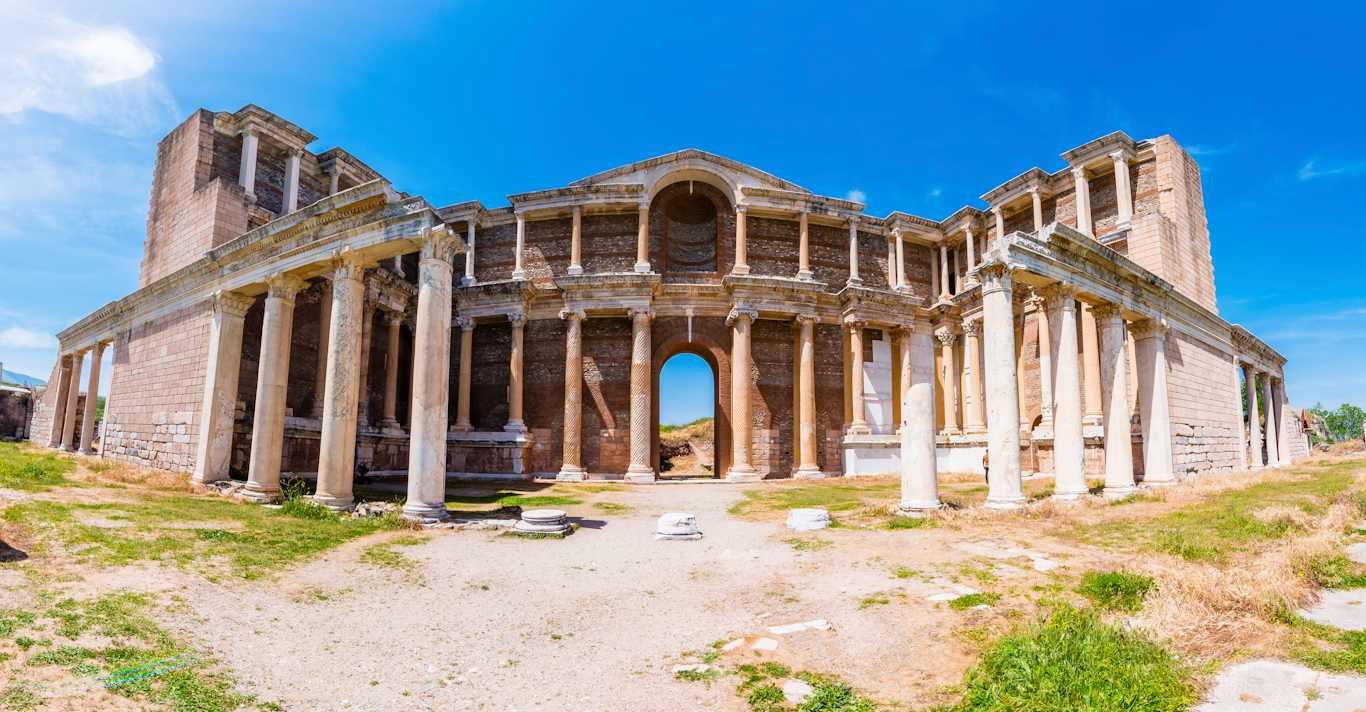
Sardis: Awakening Beyond Reputation
Once the wealthy capital of the ancient kingdom of Lydia, Sardis was famed for its riches and innovation. It became known as the first city to mint gold and silver coins, and its prosperity made it one of the great cities of the ancient world. Yet beneath its success lay complacency.
In Revelation 3:1, Christ delivers a sobering message: “You have a reputation of being alive, but you are dead.” Outwardly, the church appeared vibrant, but spiritually it had fallen asleep.
The message to Sardis is a call to awaken. Spiritual vitality cannot rest on reputation, history, or outward appearance. Genuine faith must remain watchful, and alive.
As visitors walk through Sardis today — past its gymnasium, synagogue, and marble avenues — the city stands as a reminder that outward success is never a substitute for inward renewal.
Experience the Journey for Yourself
These ancient cities are more than archaeological sites. They are places where history, Scripture, culture, and faith intersect. Walking the same roads travelled by early believers and reading the words of Revelation in the places they were first received brings the biblical world vividly to life.
Join us as we explore the spiritual and historical treasures of Türkiye and discover the enduring lessons of the churches of Revelation.

Tour Details
- Dates: 27 November - 8 December 2026
- Places of Interests: Seven Churches of Revelation, Istanbul, Troy, Antioch of Pisidia, and Cappadocia
Experience the landscapes, ruins, and stories that continue to inspire believers from around the world.
Discover the full itinerary and reserve your place on this unforgettable journey today.
For more information on our destinations, click on the following: Israel | Jordan | Türkiye | Greece
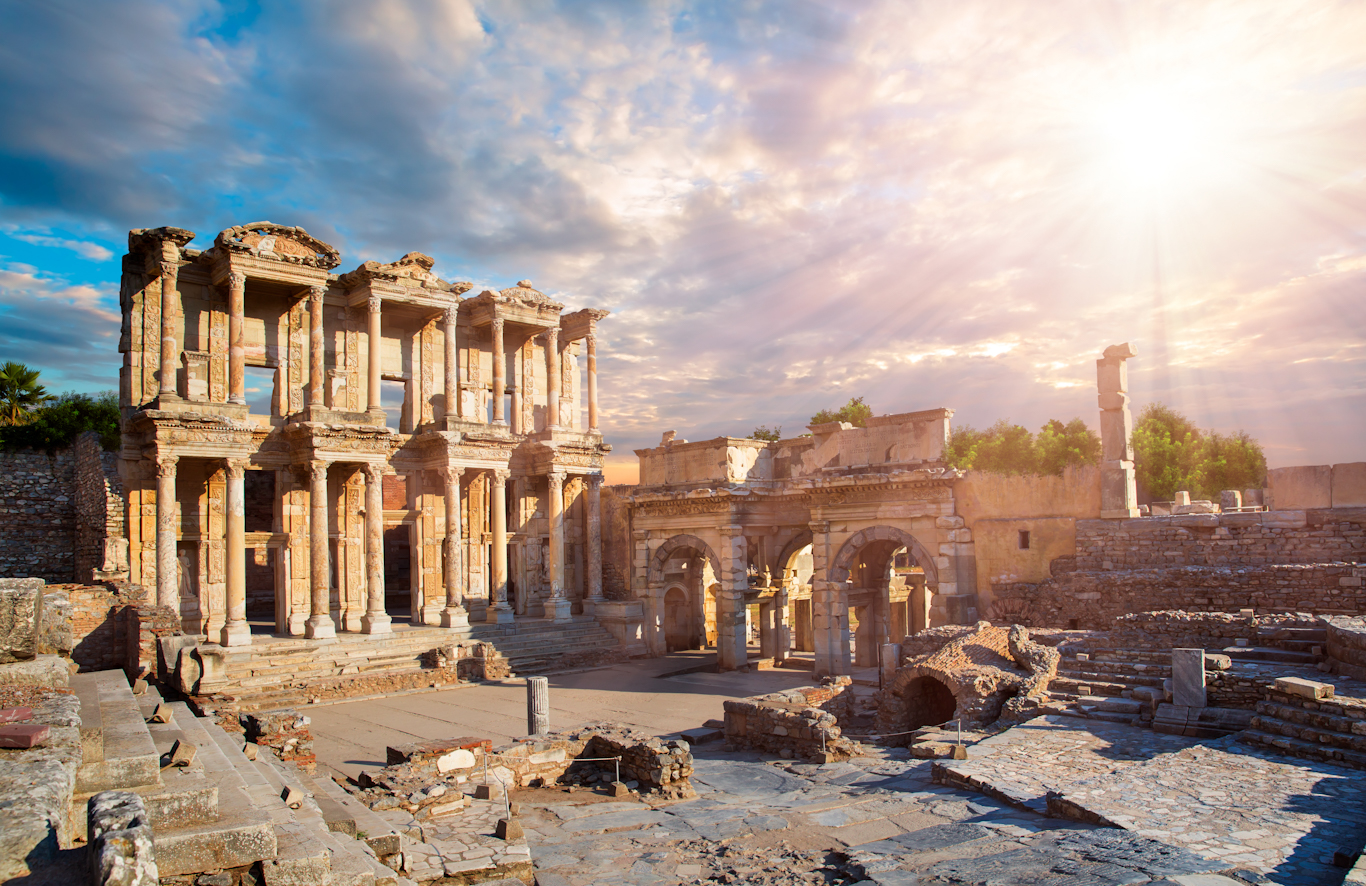
Ready to see the Bible in full colour? This winter, from 27 November to 8 December 2026, we’re heading out on an incredible 12-day, 9-night journey that blends deep spiritual discovery with the sheer joy of travel. Our Biblical Turkiye Tour: Seven Churches of Revelation with Troy and Cappadocia is designed for anyone who wants to dive into the history of the New Testament while enjoying the vibrant culture and stunning sights of Türkiye.
From the Grandeur of Istanbul to the Legends of Troy
Our adventure kicks off in Istanbul, a dazzling city that literally straddles two continents—Europe and Asia. It’s a place where golden sunset views over the Bosphorus meet breathtaking Byzantine history, like the iconic Hagia Sophia.
From there, we head to Troy, a place famous for the legendary wooden horse and epic ancient battles. It’s a fascinating site where you can stand among layers of ruins that date back thousands of years, making the ancient world feel very real.

The Seven Churches of Revelation: History in 3D
The heart of our trip is exploring the Seven Churches of Revelation. We move beyond the written word to explore the actual ruins of:
· Ephesus, Smyrna, and Pergamum
· Thyatira, Sardis, Philadelphia, and Laodicea
Throughout the tour, we’ll keep our hearts centred with daily devotions led by our accompanying spiritual leader. Whether we’re sharing a moment of reflection on the bus during a scenic drive or gathering at a quiet spot during our day, these devotions help connect the ancient messages of Revelation to our lives today.
A Magical Finale in the Valleys of Cappadocia
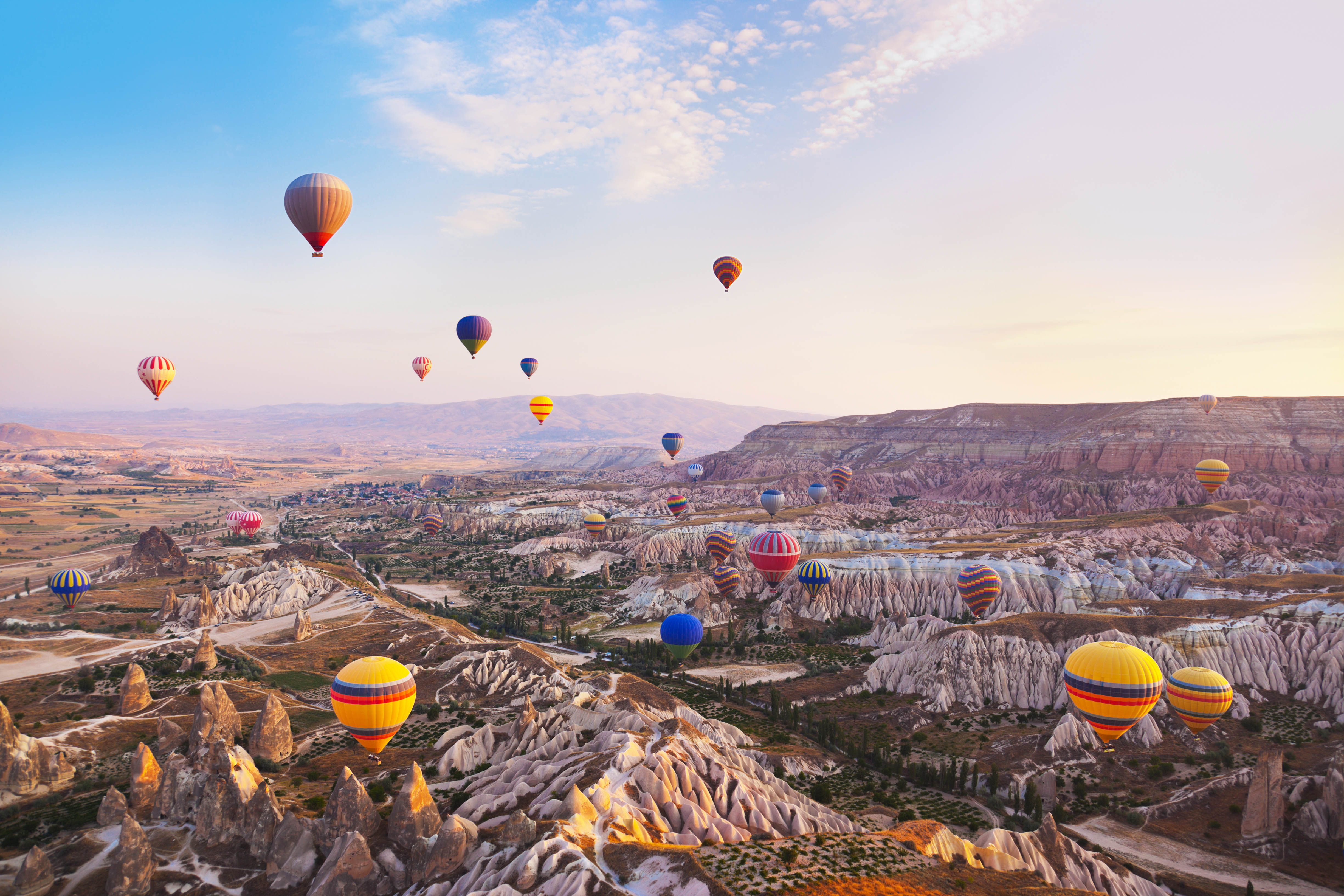
We save one of the most "Instagrammable" spots for last: Cappadocia. This region looks like something out of a fairy tale, with its unique "fairy chimney" rock formations and vast underground cities. It was once a haven for early Christians, and exploring their hand-carved rock churches is an experience you’ll never forget. It’s the perfect place to reflect on our journey together before we head home.
Why You’ll Love This 2026 Journey
We believe a pilgrimage should be as comfortable and fun as it is meaningful! Here’s why this trip stands out:
· Friendly Local Experts: You’ll be joined by friendly local guides who are great storytellers, bringing history alive with energy and wit.
· Heart & Soul Moments: More than just sightseeing, our daily faith connections offer a chance to grow together in a relaxed, friendly environment.
· Rest & Relax: We’ve hand-picked quality, cozy hotels so you can kick back and recharge in comfort after a day of exploring and laughter.
Join the Adventure!
Whether you’re a history buff, a spiritual seeker, or just looking for an amazing travel experience, this tour has something for everyone. We can’t wait to share this unforgettable 12-day experience with you.
Click here for the Full Itinerary and to grab your spot!
Email us at info@omegatours.com.sg to learn more.
We look forward to exploring Türkiye's spiritual treasures with you!

For more information on our destinations, click on the following: Israel | Jordan | Türkiye | Greece

Standing at the Garden Tomb, everything feels calm.
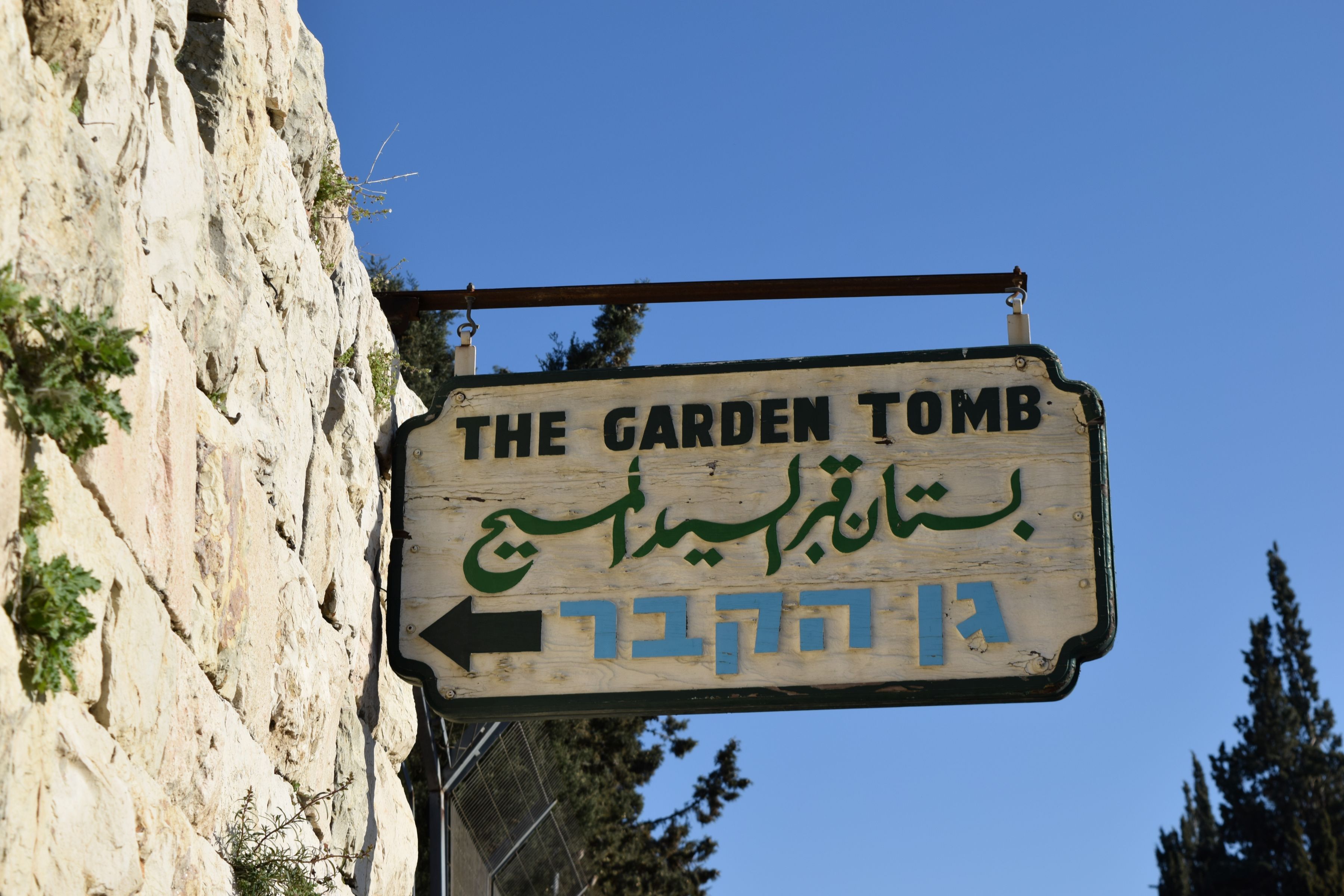
No noise. No rush. Just a quiet garden—and an empty tomb.
It doesn’t feel like a place of sadness. It feels like a place of promise.
A stone rolled away. A tomb left open. And a truth that still speaks today: Jesus is alive.
“He is not here; for He is risen.” — Matthew 28:6
These words are simple, yet they carry the weight of eternity.

On Resurrection Sunday, we remember more than a moment in history. We remember a victory that still changes lives today.
Because of the resurrection, hope is never lost.
Even when life feels uncertain…
Even when prayers feel unanswered…
Even when things seem finished…
God is still at work.
The Garden Tomb reminds us of something powerful: what looks like an ending to us can be a new beginning with Him.
Death did not win. Fear did not win. Darkness did not win.
Jesus did.

And because He lives, we are not stuck by despair or fear.
We can move forward with peace.
We can trust again.
We can hope again.
The message of the empty tomb is still the same today: God keeps His promises.
And the story is not over.
So, wherever you are today, remember this—your situation is not the final chapter.
Because the tomb is still empty…
hope is still alive.
May this Resurrection Sunday fill your heart with renewed faith, deep peace, and unshakable hope.
For more information on our destinations, click on the following: Israel | Jordan | Turkey | Greece

Wadi Rum, a captivating desert valley in southern Jordan, offers an unforgettable adventure. Often referred to as the “Valley of the Moon,” this UNESCO World Heritage site is renowned for its stunning red sandstone mountains, sweeping sand dunes, and fascinating rock formations.
A Sculptured Desert
Once a seabed, Wadi Rum has been shaped by natural forces over thousands of years, creating a landscape that is both dramatic and beautiful. Today, it’s a peaceful retreat with a rich history, showcasing ancient inscriptions and petroglyphs that whispers tales of a time when this desert was a vital outpost for caravans and nomads.
Desert Adventure Awaits
Begin your visit to Wadi Rum with an exciting 4x4 tour, where you'll comfortably explore the area's most notable landmarks—sand dunes, rock formations, and canyons. Don’t miss the chance to sip Bedouin tea while watching a sunset that paints the desert in shades of gold and pink.

Glamping Under the Stars
Your campsite, nestled against a mountain in a secluded canyon, offers a perfect retreat. Enjoy a delicious traditional dinner and spend the night in a Martian Dome tent, designed for comfort and panoramic views of the desert. These tents offer a unique “Mars on Earth” experience with spacious interiors, air-conditioning, clean bathrooms, and private patios.


Whether you're interested in exploring the landscapes, learning about the area’s history, or simply enjoying the peaceful desert environment, Wadi Rum offers a relaxing escape from the hustle and bustle of daily life.
For more information on our destinations, click on the following: Israel | Jordan | Türkiye | Greece

In 1999, Wakf bulldozers illegally ascended the Temple Mount and surreptitiously removed 9,000 tons of ancient soil, laden with countless invaluable artifacts, without proper archaeological care, and dumped close to 400 truckloads of it all as “garbage” in the Kidron Valley.
Two archaeologists realised that this dumped soil is a potential treasure-trove of archaeological information about the Temple Mount. In 2004, they founded the Temple Mount Sifting Project which has grown into the world’s largest communal antiquities salvage effort, attracting hundreds of thousands of volunteers and tourists from across the globe, and unearthing over half a million valuable finds.

Every bucket of earth that is sifted contains fragments of pottery, glass vessels, metal objects, bones, worked stones and mosaic tesserae stones, spanning from the First Temple period to the present. Every stone has a historical meaning and background. They might have been used in the Temple, in the streets of ancient Jerusalem, the same stones that probably kings and prophets had walked on.
“For her stones are dear to your servants; her very dust moves them to pity.” Psalms 102:14, NIV

The Temple Mount Sifting Project is a splendid way to experience the work of an archaeologist while helping find artifacts that continue to shape the understanding of the history of this ancient and holy place. The opportunity to search through piles of history is surreal. Every bucket is filled with potential and the anticipation of what will be found is exciting for every participant. Each find made is exhilarating, whether small or large. For the geologists and archaeologists, the hard work of cataloguing is just beginning. For the tourists, it is fun, educational, and relaxing – dump each bucket onto a wood-framed screen mounted on plastic stands, rinse off any soil with water from a garden hose, and then pluck out anything of potential importance. A great way to spend an hour or two!


For more information on our destinations, click on the following: Israel | Jordan | Turkey | Greece

Do you know that the City of David is older than the Old City of Jerusalem? In fact, it’s considered the birthplace of Jerusalem, the place where King David built his kingdom.

City of David
The entrance of the City of David is decorated with a harp, closely associated with David who took a harp and played with his hand to calm King Saul from his bad moods (1 Samuel 16:23).
“And so it was, whenever the spirit from God was upon Saul, that David would take a harp and play it with his hand. Then Saul would become refreshed and well, and the distressing spirit would depart from him.” -1 Samuel 16:23 (NKJV)

Descending the stairs into the Large Stone Structure, the possible remains of King David’s palace or the Jebusite fortress that David captured. The foundations are visible at the top of the massive Stepped Stone Structure, believed to have served as a retaining wall for the palace or the fortress.

At the bottom of the massive wall is the House of Ahiel (based on the finding of a potsherd with the name Ahiel), a four-room house designed with a kitchen, storerooms, residential rooms, and a place for the cattle. In one room, a limestone toilet seat was embedded in the plaster floor, with a cesspit beneath it. The house had a central courtyard that was open to let in light since there were no windows in the house.

Hezekiah’s Tunnel
The Hezekiah’s Tunnel was first designed to bring water from the Gihon Spring to the Siloam Pool, as documented in the famous paleo-Hebrew inscription that was etched into the tunnel wall, describing the excavators, working from opposite ends, calling to each other near the completion of the project. Visitors get to wade through this tunnel. It is wet, dark, and exhilarating! If this dark and winding tunnel is too daunting, an adjacent Canaanite tunnel provides a well-lit and dry-shod alternative. Both tunnels lead to the ancient Siloam Pool, said to be the place where Jesus healed a man who had been blind since birth (John 9).


HALLELUJAH Nighttime Presentation
Not to be missed is “Hallelujah”, a spectacular multi-sensory night show displayed on the ancient walls of the City of David, telling the story of the rebirth of ancient Jerusalem, under the open night sky.
For more information on our destinations, click on the following: Israel | Jordan | Turkey | Greece

The Garden of Gethsemane is a remarkably beautiful garden, across the Kidron Valley on the Mount of Olives, where Jesus went with His disciples to pray after the Last Supper just before He was betrayed and arrested (Mark 14:32-41).
“Then they came to a place which was named Gethsemane; and He said to His disciples, “Sit here while I pray.” – Mark 14:32 (NKJV)

What is the meaning of Gethsemane?
The name “Gethsemane” is made up of two Hebrew/Aramaic words “Gat Shemanei” which means “olive press”, suggesting that the garden was an olive grove complete with an olive press where harvested olives were processed, crushed and the olive oil extracted.
Today, the garden has manicured and tended flower beds surrounding a protected area that includes eight magnificent ancient olive trees, with some said to be at least 900 years old, still producing olives.

Adjacent to the garden is the Basilica of the Agony, also known as the Church of All Nations, that enshrines a slab of rock where Jesus is believed to have been praying before His arrest. The church was constructed with support from 12 different nations, thus the name “the Church of All Nations”.


For more information on our destinations, click on the following: Israel | Jordan | Turkey | Greece

The Dung Gate is one of the gates in the walls of the Old City of Jerusalem, built in the 16th century by Sultan Suleiman the Magnificent. Until the end of Ottoman Rule, the gate was merely a tiny doorway in the wall for pedestrians and pack animals to pass through. It was enlarged by the Jordanians who controlled the Old City between 1948 and 1967. After the Old City of Jerusalem was reclaimed by Israel paratroopers in the Six-Day War, the gate was restored.

How did the Dung Gate get its name?
The Dung Gate is first mentioned in Nehemiah 2:13 where the prophet examined the walls of Jerusalem which had been broken down and its gates which had been destroyed by fire. The gate is so named because of all the scattered rubbish and soil dumped out into the Valley of Hinnom below, each time Jerusalem was destroyed. When the First Jewish Temple was still in place, all the garbage and ash from sacrifices were taken out of the city through this gate into the valley to be burned.
“After dark I went out through the Valley Gate, past the Jackal’s Well, and over to the Dung Gate to inspect the broken walls and burned gates.” – Nehemiah 2:13 (NLT)
Today, the Dung Gate is the main entry to the Jerusalem Archaeological Park and Davidson Centre, home to archaeological finds and displays from the First and Second Temple periods. The Dung Gate is the most convenient of the Old City of Jerusalem’s seven gates for visiting the Western Wall and the Jewish Quarter.


For more information on our destinations, click on the following: Israel | Jordan | Turkey | Greece

“ …a land of wheat and barley, of vines and fig trees and pomegranates, a land of olive oil and honey…” (Deuteronomy 8:8, NKJV)
The olives trees in Israel have been around for centuries. It is mentioned many times in the Bible, indicating the great significance of the olive tree in biblical times. It is one of the seven species in the Land of Israel. The olive tree is extremely symbolic for the Jewish people. An olive branch stands on either side of the seven-branched menorah in the emblem of both the State and the Israel Defense Forces. The dove that returned to Noah’s ark carried an olive branch in its mouth to symbolise the end of the flood and the return of life to earth. Today, the olive branch is an international symbol of peace.

Olive oil has been more than just a food to the cultures of the Mediterranean region. It has been used for lighting, cooking, medicinal purposes, and moisturising skin. The oil of its fruit has anointed the noblest heads throughout history. Olive wreaths have also been given out to crown victorious athletes of sport as well as victorious generals of war.
The olive tree is among the oldest known of cultivated trees in the world. It can grow up to 6m high. Its trunk is thick and twisted with a silvery foliage. It has long roots that penetrate down to the deep, damp layers of the soil, making it capable of surviving through Israel’s dry summers. Its flowers appear in late April and during May. Olive trees start providing fruit when six years old and over. Its fruit grows during the summer, remaining green until November when it ripens, and its colour becomes purple black. It contains a high ratio of oil and is rich in Vitamin A.

In Israel, olive trees grow wild and are also cultivated. They are known to live longer than most other fruit trees. Some of the ancient trees now growing in the Galilee and the Garden of Gethsemane in Jerusalem are thought to be at least 900 years old and beyond. Olives are now one of the most important fruits grown in Israel, with olive plantations in the mountains of the Galilee, on the coastal plain, and in the mountains of Samaria and Ephraim. While wild olives are reproduced from seeds, cultivated olives are planted using shoots that grown at the base of another olive tree. Psalm 128:3 uses this imagery in comparing children to olive shoots around the table.


Where can I buy Olive Oil products?
Today, many people recognise the health benefits of a diet rich in Extra Virgin Olive Oil, and at the same time, are embracing a revival in the culture of bath and body products that use olive oil and oil extracts as their primary ingredients.
Olea Essence from the Sea of Galilee has an offering of olive oil and olive-based skincare that is eco-responsible and fully natural. You can check out this collection of products at Rock Gifts & Book Centre at The Star Vista #02-07 or visit their website https://rockonline.sg/collections/olea-essence
For more information on our destinations, click on the following: Israel | Jordan | Turkey | Greece

There are several stories about the mysterious Zedekiah’s Cave, a 5-acre underground limestone rock quarry under the Old City of Jerusalem. The stones for Solomon’s temple may have been hewn from this cavern, which is why the site is sometimes called Solomon’s Quarries. By Jewish tradition, it is the cave through which King Zedekiah snuck out of Jerusalem, escaping the Babylonians, hence its name Zedekiah’s Cave. Herod the Great used this quarry for his numerous construction projects including the renovation of the Second Temple.

The stones quarried from the cave are known as Melekh stone which is a high-quality type of limestone which had been used to craft many of the magnificent buildings in Jerusalem since biblical times. Suleiman the Magnificent apparently mined the quarry to build the present-day city walls. The cave was later sealed to prevent enemy attacks and its existence forgotten.

The cave was rediscovered in 1854 when an American missionary named James Turner Barclay discovered the entrance after his dog ran into a small opening that had been revealed by heavy rainfall. In the 1880s, a German religious cult moved into the cave but was eventually evacuated by the German Consul in Jerusalem after many fell ill from living in the damp conditions. The Freemasons believed that King Solomon was the Grand Master, and they regarded this cavern as the ideal location to hold their first ceremony in 1868. The Freemasons of Israel continue to hold an annual ceremony in it every year. The last known use of the quarry was for the building of the clock tower that once stood above the Jaffa Gate in Jerusalem.

At first, Zedekiah’s Cave was a small, natural cave. It became a quarry, possibly the largest quarry of Jerusalem in antiquity, and a large space was created following the many quarrying operations carried out there for centuries. After the narrow entrance, the cave slopes down into a vast auditorium-like chamber that leads into many “galleries” carved out by ancient stonecutters. At the back of the cave is a tiny spring known as “Zedekiah’s Tears” in keeping with the tragic story of the blinded king who shed upon losing his kingdom and seeing his sons executed by the Babylonians.


Today, the cave is a major venue for concerts and cultural performances throughout the year. The concert area inside the cave provides a unique experience for both artists and audiences with its exceptional acoustics.

For more information on our destinations, click on the following: Israel | Jordan | Turkey | Greece

The Cardo Maximus
The Cardo Maximus or simply the Cardo was Jerusalem’s main street during the Roman and Byzantine times. It was the north-south thoroughfare running from the Damascus Gate through the middle of the city to the Zion Gate. It was the commercial avenue of Jerusalem for almost 500 years.

In the 2nd century, the Roman Emperor Hadrian rebuilt Jerusalem as a Roman polis called Aelia Capitolina and added the Cardo in the north of the city. In the 6th century, the Byzantine Emperor Justinian I extended the Cardo further south to the area of today’s Jewish Quarter, thus linking the two main churches of Byzantine Jerusalem, the Church of the Holy Sepulchre and the Nea Church. In the 12th century, the Crusaders built a bazaar along part of the road.

Excavations in the Jewish Quarter have revealed a portion of the Cardo exactly as depicted in the famous 6th century Madaba Map, the oldest surviving detailed cartographic depiction of Jerusalem. The Byzantine map portrays the Jerusalem’s Cardo as a colonnaded Roman-style road. The Cardo was an exceptionally wide boulevard with a central lane, open to the sky, for the passage of carriages and animals. The original roadway was flanked on both sides with colonnaded, covered walkways that fronted on market stalls.


The exposed southern section of the road, 4m below the present-day street level, reveals the Byzantine Cardo level. Archaeologists have uncovered beautiful limestone columns, intricately carved Corinthian-styled capitals and large flagstones that paved the street. Part of the Cardo has been restored to show how the stalls and shops would have been in the ancient times. The shopping section of the Cardo is beneath a beautifully vaulted ceiling and modern stores are housed in the ancient Crusader shops that line the Cardo. Today, visitors can stroll through the Cardo just like the residents of Jerusalem used to in the 6th century.


For more information on our destinations, click on the following: Israel | Jordan | Turkey | Greece
Stay In The Know


© All rights reserved copyright 2026 | Licence Number: TA01376 | Cookies Policy | Privacy Policy | Terms Of Use
Step into the vibrant energy of Istanbul’s Hippodrome, the legendary heart of ancient Constantinople! Once filled with the thunder of roaring chariot races and cheering crowds, this historic square is now a stunning open-air museum.
But beyond the towering obelisks and the ancient Serpentine Column lies another unforgettable experience — the irresistible flavours of Istanbul's street food. As you wander between centuries-old monuments, history and modern-day Turkish flavours blend beautifully.
Here is how to take your first "history bites" and taste your way through the past:
History Bite #1: Közde Mısır (Smoky Roasted Corn)
Follow the irresistible scent of közde mısır sizzling over glowing charcoal grills! Golden, lightly charred, and served piping hot, this classic street snack is smoky, sweet, and full of flavour. Each bite offers warm, buttery comfort — a simple yet unforgettable taste of Istanbul's lively street culture.
History Bite #2: Simit (The Iconic Sesame Ring)
Nearby, stacks of golden sesame-crusted simit beckon from iconic red-and-gold street carts. Tear into one fresh from the oven to discover its crisp exterior and soft, pillowy centre. Fragrant and deeply comforting, this beloved circular bread sustained locals walking through this very square for generations.
History Bite #3: Bold and Timeless Brews
No visit is complete without the liquid classics. Sip on thick, aromatic Turkish coffee, slow-brewed to awaken your senses, or enjoy a deep amber Turkish tea (çay) served in a traditional tulip-shaped glass. Rich in tradition, these timeless drinks are woven into the very fabric of Turkish hospitality.
At the Hippodrome, history isn't just seen — it's savoured. From smoky roasted corn to rich, bold brews, every bite becomes a delicious journey through centuries of culture. What classic Turkish street food would you try first?
For those looking to turn these stories into real-life memories, spaces are open for our Biblical Türkiye 2026 Tour (27 November - 8 December 2026). Send us an email enquiry to get a copy of the itinerary and see how we're bringing history to life.
For more information on our destinations, click on the following: Israel | Jordan | Türkiye | Greece